Keep it for adults who can argue with it. Courtship, a dowry, a brawl, and a village that is a character.
The review
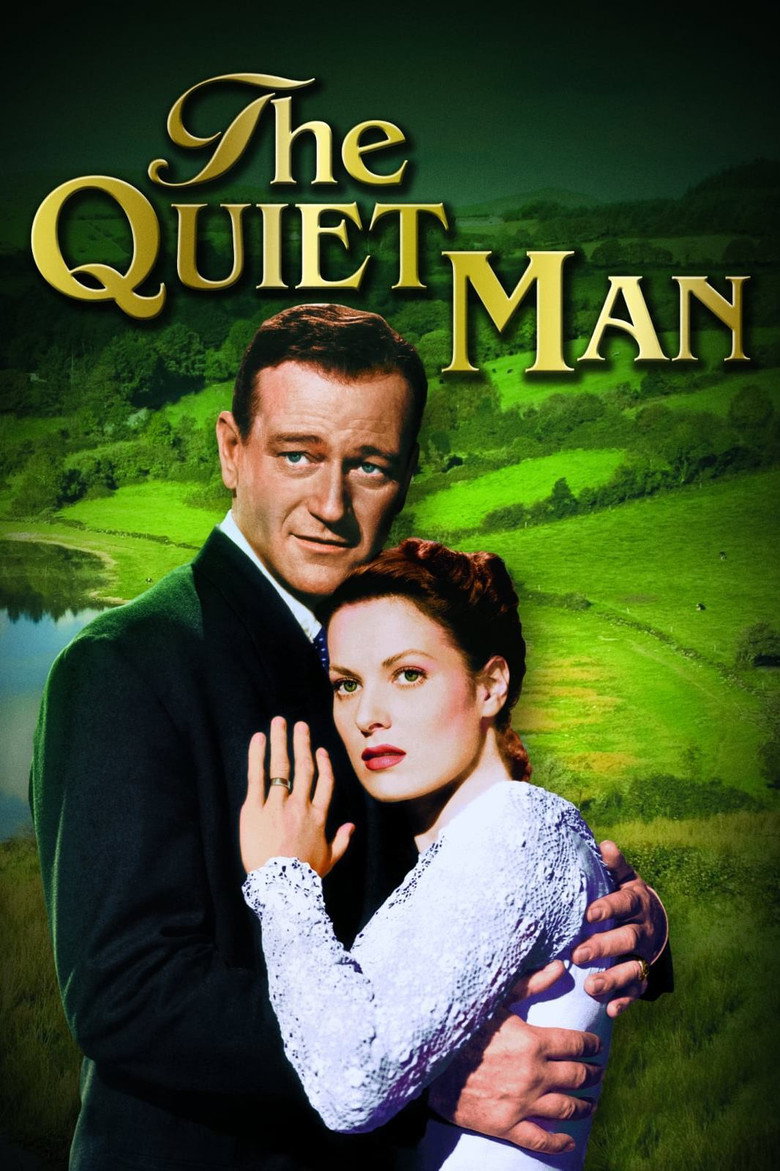
Sean wants Mary Kate and wants the past he ran from to stay quiet. The film is lush, funny, and of its time in ways a house should not swallow whole, especially the rough comedy of a marital fight. What it knows deeply is a village economy of respect: her things are not things, they are her standing, and his American impatience is not automatically the higher law. The land is filmed as if it were owed attention.
Watch it as a grown comedy, not as a manual. Then notice the dowry scene is about dignity. People still need their dignity named in front of the neighbors.
Adults. The courtroom is the work. What happened and what can be proved are not the same fact.
The review
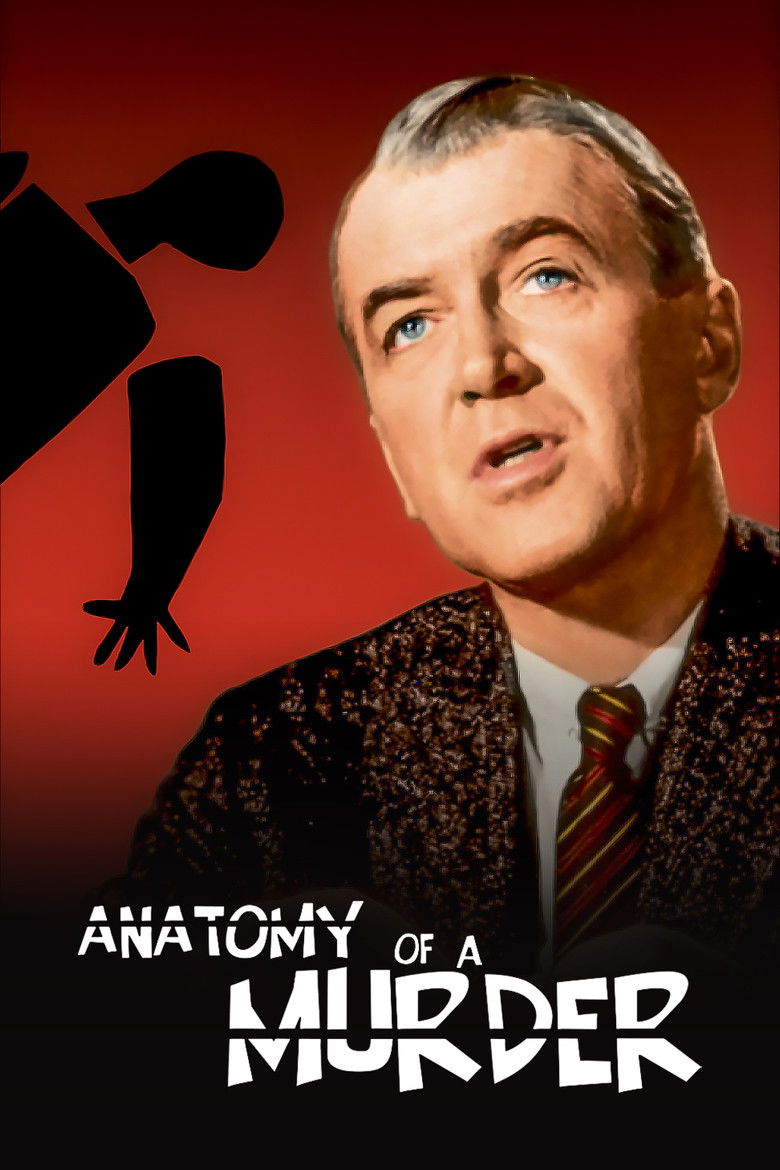
A soldier shoots a bar owner and says the man raped his wife. A former prosecutor who now fishes more than he practices takes the defense. I am not going to describe the testimony. In 1959 the testimony itself was the scandal, because a courtroom in an American film was asked to say out loud what a trial of this kind has to say. The lawyer is good at the saying. He is also having a good time, and the film lets you see the good time, which is the correction inside the craft.
Adults. A house does not need this as a primer. A house that wants one picture of how a verdict is made, rather than how a villain confesses, can use it. Ask, at the end, what the jury was allowed to know and what the rooms already knew. Those are different piles. The decade's more famous courtroom hours snap the case shut with a witness who breaks. This one is more honest about the gap, and less honest about whether the lawyer is a man to admire. Admire the proceeding. Decline the grin.