The herds and the crossing are real; the camera belongs to outsiders.
The review
They cross a river and a mountain range with the herds, and the grass on the far side is the reason. Cooper and Schoedsack film the journey. A hit of its kind. A house can watch it. The crossing is real. I was glad of the grass and wary of two Americans collecting the feat as if the feat were theirs.
The Bakhtiari are not scenery. The work is the animals, the water, the range. Say the frame is still outsiders, because it is. I can respect the crossing without giving the camera the credit for having survived it. What that people reached was grass. What the picture reached was a crowd. Those arrivals are not the same.
Keep it for adults who can bear it. A free man, a paper, a wife and children, and a country that called the theft law.
The review
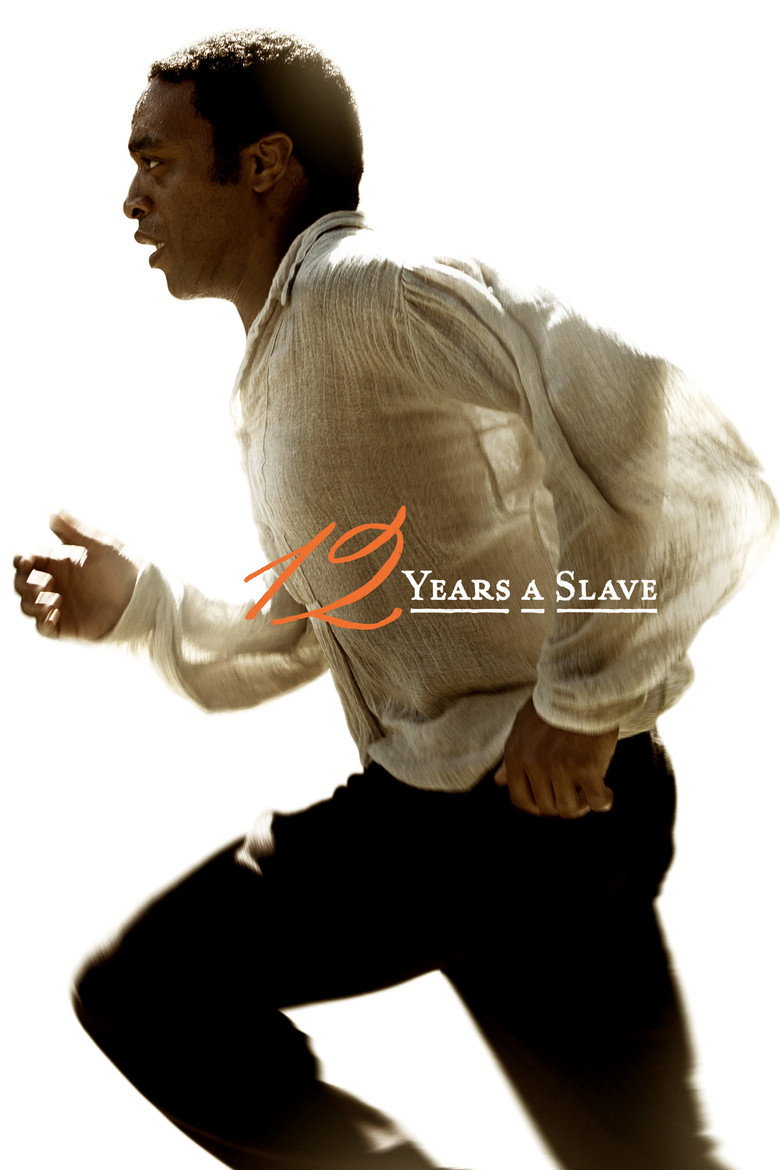
Solomon Northup was a citizen of New York with a wife, children, and a trade, and the United States allowed him to be sold. The film's discipline is to stay with the time. It does not offer a white savior as the meaning, though a man finally carries a letter. The meaning is the letter, the name, and the fact that the law had to be contradicted by a person willing to act. Patsey's suffering is not there for our refinement. It is there because leaving her out would be another theft.
Adults. Do not put it on as a background of importance. If you watch it, watch it through, and do not follow it with a cheerful picture the same night. The charge is not a feeling. The charge is to know that a legal theft is still a theft, and to be the person who carries the letter.