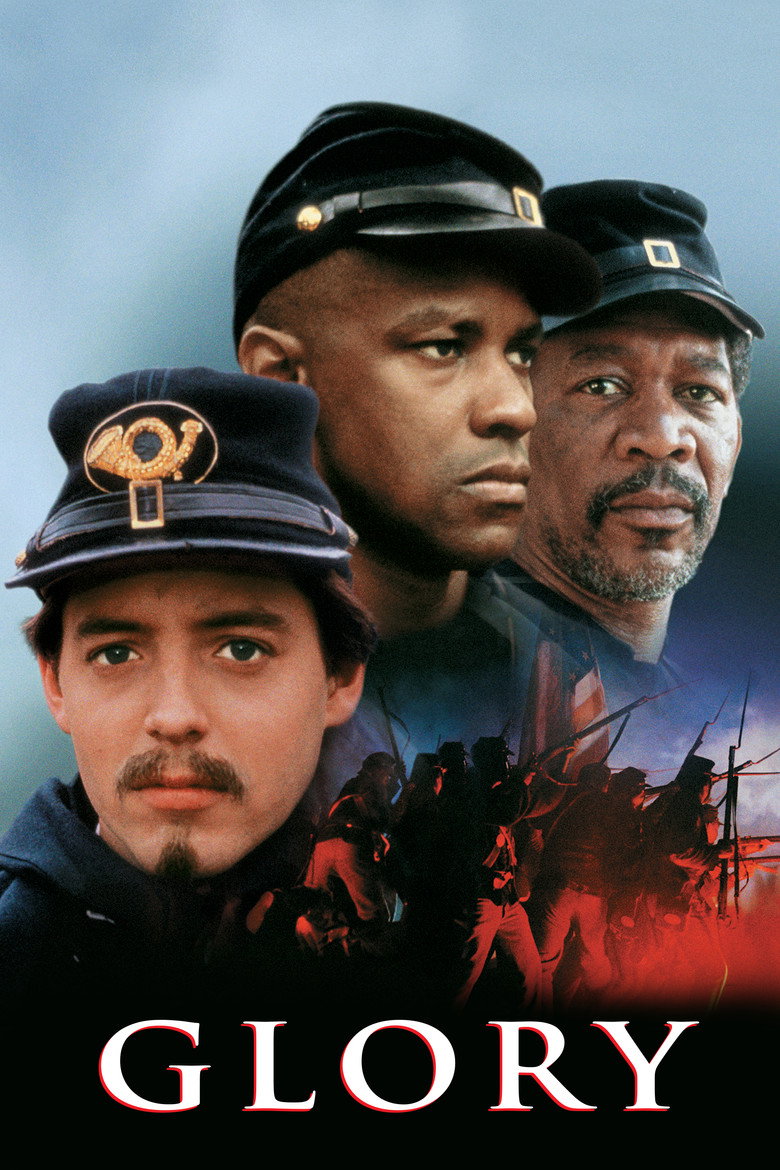
Keep it for older teens and adults. The dignity is in the training and the choice to go.
The review
The soldiers are not a chorus behind a white officer's growth, though the film sometimes frames them that way and you should say so. Trip, Shaw, Rawlins, and the drill are the substance: pay refused until it is equal, shoes, the lash, the argument between rage and discipline. The fort at the end is slaughter in the service of a true cause, and the film does not cut to a celebration. A house can bear this if it will not turn it into a highlight.
Watch it once, seriously. The charge afterward is not a speech about how far we have come. It is attention to the men who were asked to prove a humanity that was not the army's to award.
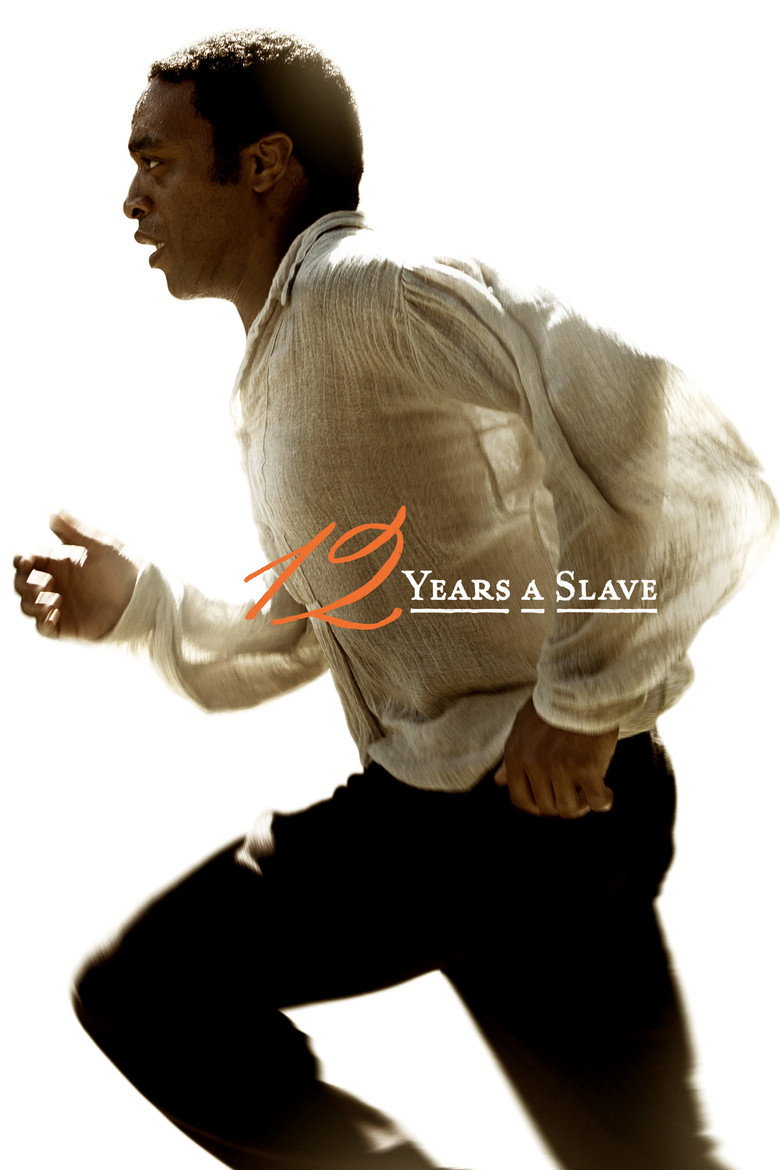
Keep it for adults who can bear it. A free man, a paper, a wife and children, and a country that called the theft law.
The review
Solomon Northup was a citizen of New York with a wife, children, and a trade, and the United States allowed him to be sold. The film's discipline is to stay with the time. It does not offer a white savior as the meaning, though a man finally carries a letter. The meaning is the letter, the name, and the fact that the law had to be contradicted by a person willing to act. Patsey's suffering is not there for our refinement. It is there because leaving her out would be another theft.
Adults. Do not put it on as a background of importance. If you watch it, watch it through, and do not follow it with a cheerful picture the same night. The charge is not a feeling. The charge is to know that a legal theft is still a theft, and to be the person who carries the letter.