A child will remember the mother, and the film does not hide that she dies.
The review
A deer is born. He learns the meadow and the thicket. His mother is killed. I won't linger on that, and the film doesn't hide it. A child can watch it and will remember the mother. A fire comes. He grows and has a son of his own. The big lifetime numbers are reissues. Mrs. Miniver was the live-action crowd of 1942. This is the picture children kept.
Say the sad part in one sentence before you start, then let it be quiet. It isn't a speech about grief. The meadow is wide, and then it isn't safe. What I kept was the son, a life still going. If your child is very small, wait. If they can hold a sad thing that isn't rubbed in, this is a fair one to sit through together.
Journal
Keep Bambi in the record.
No house has filed a sentence for this yet.
Live Historic number 58. Yours can differ.
The glance
Industry and Piety and Republic are the thin ones.
Adults. The courtroom is the work. What happened and what can be proved are not the same fact.
The review
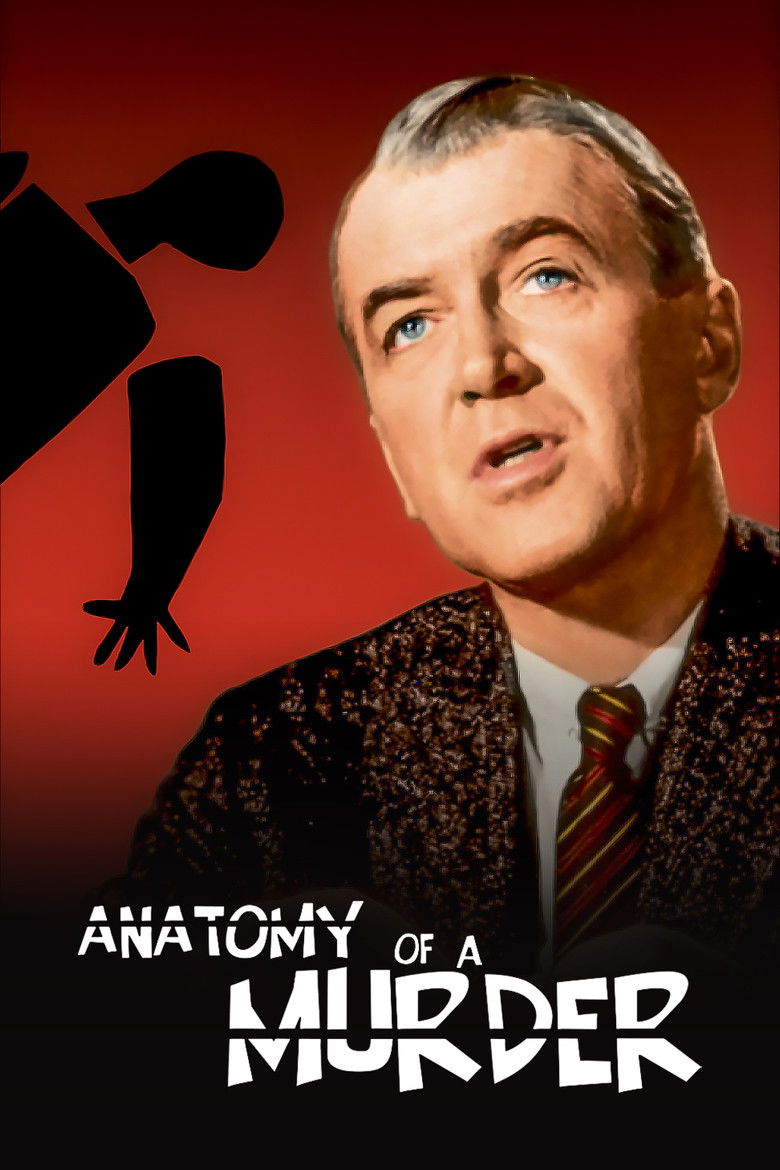
A soldier shoots a bar owner and says the man raped his wife. A former prosecutor who now fishes more than he practices takes the defense. I am not going to describe the testimony. In 1959 the testimony itself was the scandal, because a courtroom in an American film was asked to say out loud what a trial of this kind has to say. The lawyer is good at the saying. He is also having a good time, and the film lets you see the good time, which is the correction inside the craft.
Adults. A house does not need this as a primer. A house that wants one picture of how a verdict is made, rather than how a villain confesses, can use it. Ask, at the end, what the jury was allowed to know and what the rooms already knew. Those are different piles. The decade's more famous courtroom hours snap the case shut with a witness who breaks. This one is more honest about the gap, and less honest about whether the lawyer is a man to admire. Admire the proceeding. Decline the grin.