


































































































Tonight
Ten for the evening
One to ten. Newest, most watched, highest on the Living Meter. Prime, Disney+, Hulu, Hallmark, Acorn, and Netflix.
Competence without vanity. A boss who is awful and still right about the work. Adults.
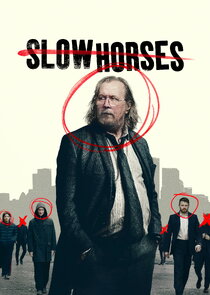
Slough House is a picture of work after the credit has been taken by someone else. Lamb is rude, dirty, and loyal to the people in his office in the only way he knows, which is not letting them die of someone else's ambition. The service is a bureaucracy that will sacrifice a pawn for a headline.
The violence is brief and ugly, which is the right register. A teenager who wants spies should meet this instead of the tuxedo version, and not alone if they are young. The lesson is that a secret state still owes the person it uses.
Industry
8/10
Tradecraft is a job done badly by the stars and properly by the rejects.
Household
3/10
Lamb's office is the nearest thing to a household. It is not a tender one.
Piety
3/10
No creed. A residual sense that some orders are beneath even a spy.
Courage
7/10
They go back in after the service has written them off.
Republic
6/10
The subject is a state office that has forgotten it works for a people.
Temperance
6/10
The grime is character, not a product being sold.
Truth
8/10
The official story is usually the cover. The show is on the side of the file.
Stewardship
5/10
What they save, when they save it, is a person the report had already spent.
Live historicallyFinish one unglamorous task you have been leaving for a person who will not complain.
The work is real. The household is a wreck he helped make. Watch it awake.
Taylor Sheridan's oil show is interested in a job most television will not film: leases, roughnecks, a boom that pays and maims. That interest is the good. The men are competent. The danger is not a metaphor. A house that has never seen where fuel comes from can learn the fact of the labor.
The other half is the usual Sheridan house: a mouthy daughter, a wife as a storm, money as the apology. Take the field. Do not take the family scenes as a model of how a provider talks. The standard is the crew that gets home. He is not always that man.
Industry
9/10
Oil is a craft and a hazard. The show knows the difference between a truck and a speech.
Household
3/10
His house is a series of fights. Providing is not the same as fathering.
Piety
2/10
No creed. The land is a lease.
Courage
7/10
He walks into messes that can kill a man who is not careful.
Republic
5/10
A county with wells, lawyers, and a cartel. The town is real and secondary.
Temperance
4/10
The boom lifestyle is half the temptation of the hour.
Truth
6/10
The business is shown with its paperwork, not only its myth.
Stewardship
5/10
The question under the boom is what the county will be when the price drops.
Live historicallyAsk someone who works with their hands what the dangerous part of the day is, and listen.
The standard, for the age it was made for. Slow on purpose.
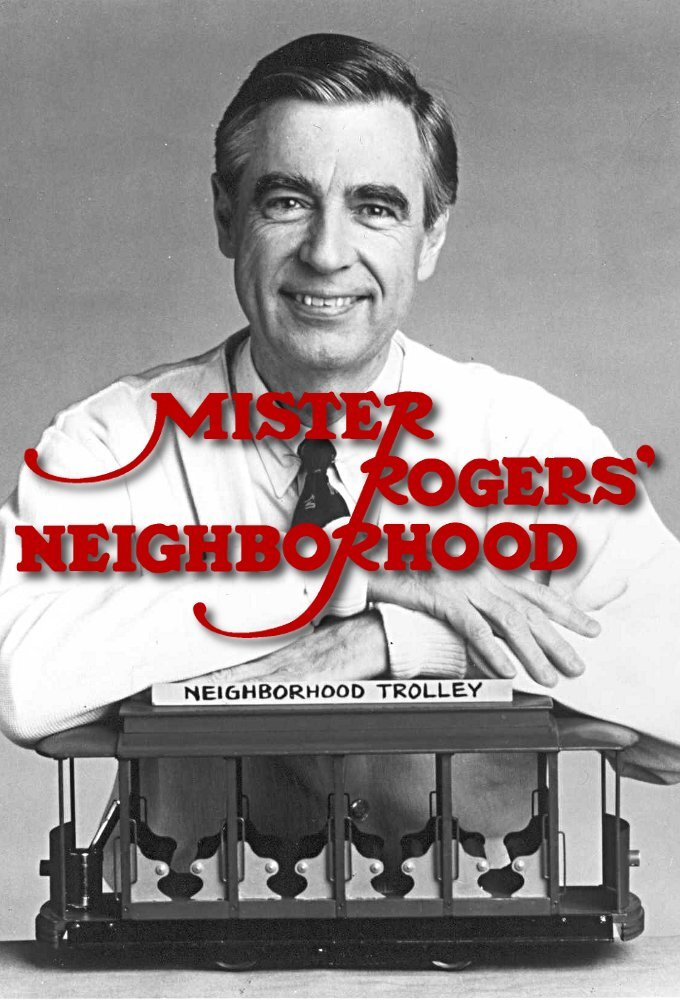
Rogers believed a child could be told the truth about anger, death, and a mistake, if you did not rush and did not smirk. He also believed the people who make the bread and drive the bus were worth a visit. Both beliefs are the whole of a good childhood hour.
Put it on for the young child. Sit in the room. The sitting is part of the show.
Industry
7/10
He shows how things are made. A factory, a cello, a crayon.
Household
8/10
The neighborhood is a set of people who know your name.
Piety
7/10
He treats the child as a soul, not a market. He says so.
Courage
6/10
He will talk about what is frightening without raising his voice.
Republic
7/10
A street, helpers, the people who keep a town going.
Temperance
9/10
The pace is the lesson. You do not need the next thing.
Truth
9/10
He does not lie to a child to keep the hour smooth.
Stewardship
9/10
Made to be handed down. It was.
Live historicallyWatch one visit to a workplace, then go see a real one: a bakery, a post office, a shop you already use.
A daughter, a father, and a place that still knows her name. Worth an evening.
Maggie Sullivan is competent in a city hospital and a stranger to her own father, which is a modern arrangement the show does not admire. Sending her back to the campground is the right move. The pines, the regulars, and a man who kept a place running while she became impressive are the argument. The mysteries are ordinary television. The reconciliation is the reason to stay.
Suitable for older children if you are in the room for the first episodes and willing to talk about why a gifted child leaves. Skip ahead when it becomes only a romance.
Industry
7/10
Medicine and a campground are both treated as work that other people are waiting on.
Household
8/10
The unfinished business is a father and a daughter. Romance is secondary and mostly behaves.
Piety
5/10
The woods are allowed to quiet a person. It is not a sermon, and it is not a joke.
Courage
6/10
She faces the town she left and the man she could not manage.
Republic
7/10
A crossing, a store, regulars. The town is a character with a memory.
Temperance
6/10
The pace is slow on purpose. The secrets are the indulgence.
Truth
6/10
People have been telling a softer version of the past. The show is for correcting it.
Stewardship
8/10
Land, a parent, and a skill she could have sold farther away and didn't, quite.
Live historicallyCall the parent or the child you have been meaning to call. Do it from the kitchen, not from a feeling.
Friendship, patience, and a day that is enough. One of the best things a young child can sit with.
Frog is steady. Toad is not. The stories are about how a steadier friend behaves, which is by staying, and how an anxious one behaves, which is by trying. Nothing explodes. The stakes are a garden and a letter and a swim. A child raised on a feed will find this slow for four minutes and then, if you leave it on and sit there, will lower their voice to match it.
Put it on for Kiki. Read the book in the same week if you have it. The pictures on the page are still better. The film is a fair door.
Industry
5/10
A garden, a cake, a list of things to do. Work is small and finished.
Household
6/10
Not a family by blood. A household of two who keep coming to the door.
Piety
4/10
Quiet is allowed. Nothing is mocked for being gentle.
Courage
5/10
Toad is afraid of ordinary things and does them with Frog beside him.
Republic
8/10
A pond, a path, and the duty of a friend. That is a complete country.
Temperance
9/10
Wanting is a cookie or a nap. The stories know when enough has arrived.
Truth
8/10
They tell each other the slightly embarrassing truth.
Stewardship
8/10
Arnold Lobel's pages were already an inheritance. This keeps them usable.
Live historicallyBake or plant one thing with a child that cannot be finished quickly.
A warning about power in religious costume. Conscience is the heroine, not the regime.
Gilead speaks scripture and commits a crime against the household: women taken, children renamed, vows replaced by policy. Do not make the lazy mistake of scoring this as an attack on piety itself. The show's better idea is older than the novel. A creed kidnapped by power is not a creed. Conscience is whatever refuses the kidnapping.
The failure is duration. A warning becomes a pageant of pain, and the pageant trains you to look. One season tells the truth. The tenth mostly repeats it louder. Watch enough to hate the right thing — the theft of a child and the lie told about God — and then go do something smaller and real for an actual family. Including yours.
Industry
5/10
Work exists mostly as bondage. The free craft is survival and witness.
Household
7/10
The crime of the state is the theft of marriage, motherhood, and the child.
Piety
6/10
Piety as a weapon is exposed. Private conscience is what resists.
Courage
8/10
She keeps a self when it would be safer to vanish.
Republic
7/10
It is a picture of a republic that surrendered, and of what fills the gap.
Temperance
4/10
Suffering is the spectacle, season after season. That is its vice.
Truth
7/10
The regime runs on lies everyone must repeat. She tries not to.
Stewardship
7/10
A daughter is the future the whole tyranny is trying to own.
Live historicallyDo one concrete good for a household that is not yours: a meal, a ride, an hour of childcare, a check sent without an audience.
A brother on a real errand. The fights are gorgeous and too many. The errand is the part to keep.
Tanjiro is kind in a genre that thinks kindness is a weakness to be mocked. He has a job, a master, and a sister he will not give up on. The demons are demons, not misunderstood celebrities, at least at the start. A household has already been destroyed, and the plot is whether any other household will be. That is a sound spine.
The fights become the shelf. They are long, beautiful, and they train a child to need the next clash. Watch the opening with a middle-years child if they are going to find it anyway, and keep the rule: we are here for the sister, and when the show forgets her for the spectacle, we stop.
Industry
7/10
Training is a craft with a master. The breathing techniques are discipline, then they are a light show.
Household
8/10
The sister is the reason. He is not on a journey of self-discovery. He is on an errand.
Piety
4/10
The dead are mourned. A creed is not named. Duty stands in for one.
Courage
8/10
He fights things that eat households. The nerve is attached to a person.
Republic
5/10
A corps with ranks. The towns they save are briefly real.
Temperance
4/10
The violence is stylized until it is the meal. That is the failure.
Truth
7/10
The demons were people, and the show says so without excusing the eating.
Stewardship
7/10
He is trying to hand his sister a life. That is the stewardship.
Live historicallyAsk a brother or a sister what they actually need from you, and do it this week.
A family that scatters and a house that calls them back. Worth an evening if you talk after.
Abby has the successful life, which in this story means she is far from the people who know her middle name. The inn is failing, the sisters are raw, the father is proud. Hallmark will sand the edges. The edges worth keeping are these: a family business is a moral fact, a divorce does not end the duty to your children, and a town you helped make can still ask you to show up.
Watch it when your own people are scattered and you have been calling the distance a personality. It is a comfortable show. Comfort is fine if you let it convict you a little. If you only want the water and the sweaters, you can get those cheaper than an hour of your evening.
Industry
6/10
An inn, a career, a father who builds. Work is present and sometimes abandoned.
Household
8/10
Siblings, a broken marriage, a grandmother. Coming home is the moral event.
Piety
5/10
The town has a memory. A creed is mostly manners.
Courage
6/10
Returning is harder than staying gone, and the show admits it.
Republic
7/10
A town their father built still expects something of them.
Temperance
7/10
Romance is the spice. It is not allowed to erase the brothers and sisters.
Truth
6/10
Old grievances have to be said before the inn is safe.
Stewardship
7/10
The question is whether the next child will have a shore to come back to.
Live historicallyCall the sibling or the parent you have been managing with short messages. Stay on until it gets specific.
Training, a father, and a villain who really is one. A good evening.
Po wants the legend. The film makes him earn the stairs, the training, and the truth that the dragon scroll is blank. There is no secret technique. There is a fat panda who will work, and a father in a noodle shop who is proud without pretending to be a master. Shifu is hard because the work is hard. Tai Lung is not redeemed by a sad origin. The origin explains him. It does not excuse the village.
The jokes are jokes. The fights are fights. A boy can see that being chosen is the start of the labor, not the end of it. That is the right order, and most hero films reverse it.
Industry
9/10
Mastery is repetition. The noodle shop is also real work.
Household
8/10
An adoptive father, a hard teacher, a son who comes home.
Piety
5/10
The scroll is empty. Reverence is for the work, not a relic.
Courage
8/10
He stands in for the valley after he has trained, not before.
Republic
7/10
A village worth defending. A student who betrayed it is not its victim.
Temperance
7/10
Appetite is his comedy. It is not his victory condition.
Truth
8/10
The blank scroll tells the truth: there is no cheat.
Stewardship
8/10
A son leaves with a craft, not a costume.
Live historicallyGive a son one skill he has to practice when no one is clapping.
The work of a unit. Men who owe each other. The best war picture on this shelf.
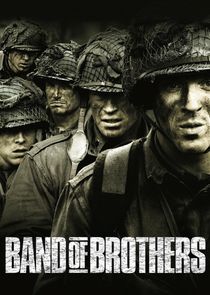
It is interested in the company, not the speech. Training is boring and necessary. Officers are judged by whether the men will follow them into a specific field. Fear is admitted. The killing is not a ballet. Easy Company is a household of a terrible kind, and the show respects the bond without pretending the war was a gift.
Not for children. A young man can watch it with a father when he is old enough to understand that courage here is staying, not posing. The charge afterward is not enlistment. It is whether you belong to anyone the way these men belonged to the man on their left.
Industry
8/10
Soldiering is a craft with a standard. The incompetent officer is the villain of the early hours.
Household
5/10
The company is the house. The homes they left are letters.
Piety
5/10
Prayer shows up as what men do when they are about to jump. It is not mocked.
Courage
10/10
They jump, they hold, they go back for the wounded.
Republic
7/10
A unit under orders, inside a country that still has to be worth the orders.
Temperance
6/10
The violence is the war. The show does not fall in love with it.
Truth
8/10
It is based on the men, and it lets them correct the legend.
Stewardship
8/10
The last hour is what they did with the rest of their lives. That is the right ending.
Live historicallyLearn the name of one person who served, and say it out loud at your table.