





























































































Tonight
Ten for the evening
One to ten. Newest, most watched, highest on the Living Meter. Prime, Disney+, Hulu, Hallmark, Acorn, and Netflix.
A counterfeit household that becomes a real one. Funny, and the warmth is earned.
Loid needs a family as cover. Yor needs a cover for a life of killing. Anya needs parents and will accept these ones. The joke is the cover. The story, when it is good, is the cover failing in the direction of love: someone shows up to a school event because the child needs them there, not because the mission does. That is a real moral turn.
A child can watch most of it. The assassin jokes are jokes, and you should still say that killing is not a charming profession. Then let the episode land on the part it actually believes, which is that a family is made by the hours, even if it began as a lie.
Industry
6/10
Spy work and housework are both treated as labor. The housework starts to matter more.
Household
9/10
The whole series is a household being assembled by people who did not mean to have one.
Piety
3/10
No creed. A growing reverence for the child.
Courage
6/10
They risk the mission for the daughter. That is the courage that counts.
Republic
4/10
A Cold War city. The peace they are protecting is abstract next to the kitchen.
Temperance
7/10
The comedy is warm. The violence is mostly a gag, which is the caveat.
Truth
6/10
They are lying about who they are, and the lie gets harder to want.
Stewardship
8/10
What Anya needs handed to her is a table that is still there tomorrow.
Live historicallyEat one dinner in which everyone at the table is told a true thing.
A woman who will not quit the work she inherited. Watch it awake. The city is not a nursery.
Eliza Scarlet inherits a debt and a trade, and she refuses the smaller life everyone offers her instead. That refusal is the part the standard can praise: work, nerve, and a father's unfinished obligation. The rest is a costume drama that likes a look across a room a little too much.
Watch it for the hours when she is actually detecting, and for the argument about whether competence needs a man's permission. Do not watch it as a picture of a well-ordered city. Victorian London here is a set. The useful question is the one she keeps answering with her feet: if the work is yours, do it.
Industry
8/10
She takes over a failing business and does the labor, not the pose.
Household
5/10
A father's name, a lodging, a courtship that keeps interrupting the job.
Piety
4/10
London is a moral city only in spots. Reverence is scarce.
Courage
8/10
She walks into rooms that do not want a woman asking questions, and she stays.
Republic
6/10
The law is a man she has to argue with. Sometimes she is right. Sometimes she is only bold.
Temperance
6/10
The cases have blood in them. The show does not drool.
Truth
7/10
A client's story has to survive the evidence. She is better when she lets it.
Stewardship
5/10
What she is building is a name that can be left to someone. The show only sometimes remembers that.
Live historicallyPick up one piece of work a parent or a partner left unfinished, and finish it without announcing yourself.
Keep it for an older child. Greed is the danger. Remembering who people are is the rescue.
Chihiro does not win by being chosen. She wins by showing up to a hard, humiliating job and by not forgetting her parents when forgetting would be easier. The bathhouse is a brilliant picture of an economy that eats. No-Face is what a loneliness becomes when it is fed every thing it points at. Yubaba steals names because a person without a name will work forever. The film is pagan, crowded, and more morally serious than most films that advertise a lesson.
Not for the very small. Right for a child who is ready to hear that appetite can change a face, and that work and memory can change it back.
Industry
9/10
She earns the rescue by labor.
Household
8/10
She will not forget her parents.
Piety
5/10
A spirit world. Take it as a fable and keep your own prayers.
Courage
8/10
She stays in the bathhouse.
Republic
6/10
A whole economy of exploitation.
Temperance
8/10
Gluttony is the monster.
Truth
9/10
Names are the truth that frees.
Stewardship
9/10
It hands on memory as a duty.
Live historicallySay the true name of someone the house has started to treat as a use.
A child with work, elders, and a place. Put it on.
Molly has a job at the trading post and a grandfather who tells her the story of the place before she needs it. That is a whole education. The adventures are scaled to a child who is trusted with a real task and a real landscape.
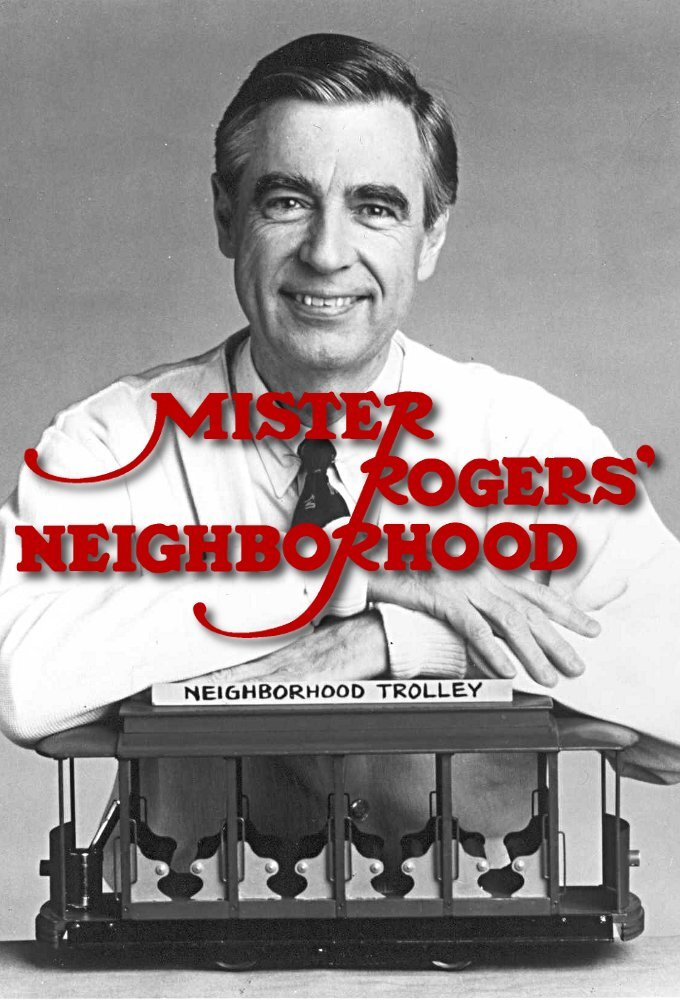
This is one of the few current shows that can sit next to Mister Rogers without a wince.
Industry
8/10
She runs errands that matter: the store, the sled, the story a neighbor needs.
Household
8/10
Parents, a grandfather, a village. Authority is affectionate and real.
Piety
6/10
Tradition is practiced, not lectured as nostalgia.
Courage
6/10
The errands take nerve because the country is large.
Republic
7/10
A village is a commons. She is expected to contribute.
Temperance
8/10
No cruelty, no rush.
Truth
8/10
The facts of the place are the point. The show did the homework.
Stewardship
8/10
A child is shown how to join a people, not how to leave them for a brand.
Live historicallyGive a child a real errand this week, with a beginning and an end, and hear how it went.
A sequel about a debt. Heavier, and serious about the parents' wrong.
The first film was a family. This one is a reckoning. Their parents built a dam that weakened another people and called the arrangement peace. Elsa goes toward the truth. Anna pulls the dam down knowing Arendelle may flood. That is a grown choice, and the film does not giggle it away.
Some of the mythology is fog. The moral is not. A house that liked the first one should see the second, and talk about the dam. A wrong built into a public work does not become heritage by lasting.
Industry
6/10
Anna does the work of a queen while her sister is gone.
Household
8/10
Sisters again, and parents who were brave and also wrong.
Piety
5/10
A voice, a call, treated with fear and obedience.
Courage
8/10
She walks into the glacier. Anna destroys the dam.
Republic
8/10
A kingdom's prosperity on someone else's river.
Temperance
6/10
Nostalgia is not allowed to outrank the debt.
Truth
9/10
The parents' story was incomplete. The daughters finish the telling.
Stewardship
9/10
The future of two peoples is the stake, not a wedding.
Live historicallyAsk what your town was built on, and whether anyone is still owed.
Keep the medic. The battle is more gruesome than the conscience needs. Adults, and not for spectacle.
Doss's refusal is particular and religious, and the film does not sand it into a generic pacifism. The army's attempt to break him is the first fight, and his marriage and his drunken father are part of the formation, not a prologue to skip. Then the ridge is a slaughter photographed at a length that starts to enjoy its own hell. The desk keeps the man and warns the camera. Saving seventy men one at a time is the picture. You do not need every wound to believe it.
If you watch, watch for the prayer and the lowering. Look away when the film confuses witness with indulgence.
Industry
8/10
A medic's repetitive, physical work.
Household
6/10
A hard father, a wife, a vow.
Piety
8/10
Faith that costs a rank and a rifle.
Courage
10/10
He stays on the ridge.
Republic
7/10
An army that does not know what to do with a conscience.
Temperance
5/10
The film itself does not always look away.
Truth
7/10
His limit is told truly.
Stewardship
8/10
The heirloom is the man who would not leave the wounded.
Live historicallyFind a way to stay with the hurt that does not require you to become the harm.
Failure without cruelty. A boy who keeps his word. For a house.
Charlie Brown's disasters are public and his kindness is private, which is the right ratio. He will not take a prize he did not earn. The film thinks that is the point, and it is. Snoopy's air battle is a daydream, clearly marked as one, so the fantasy does not eat the schoolyard.
There is no villain but embarrassment. A house that is tired of stories where the awkward child must become cruel to survive can put this on without a speech afterward. The speech is already in it. He returns the test. He dances badly. He is still Charlie Brown.
Industry
7/10
He studies, he practices the dance, he does the assignment. The work is the joke and the honor.
Household
8/10
Siblings, a dog, a neighborhood of children. No one is abandoned for a punchline.
Piety
4/10
No creed is named. Decency is practiced as if it were one.
Courage
8/10
The brave act is handing back a score that is not his.
Republic
7/10
A small town of children with rules, and a boy who keeps them when it costs first place.
Temperance
8/10
Wanting the girl does not license a lie.
Truth
9/10
The returned test is the whole moral.
Stewardship
8/10
It hands a child a picture of losing well.
Live historicallyPraise one child for finishing a hard thing badly and honestly, not for winning it.
Competence in the service of a town. The manners are bad. The work is not.
Martin Ellingham is almost a warning and almost a model, which is why the show lasts. He can do the one thing the village cannot do for itself, and he is bad at every other human exchange. The standard does not grade bedside charm above a correct diagnosis. It does notice when a man has to be dragged into his own household.
Watch it for the work and for the slow argument that a town is allowed to need you and also to correct you. Skip the half hours that are only a joke about his face. Stay for the ones where he chooses the patient, or the boy, over being left alone.
Industry
9/10
He is a doctor who still knows the job. The village is healthier because he will not fake a diagnosis.
Household
7/10
A marriage, a son, and a house he did not ask for and cannot decently abandon.
Piety
4/10
Conscience is there. Reverence is thin. Blood is a fact to him, a soul less so.
Courage
6/10
He tells a hard truth in a room that wanted comfort. That costs him friends.
Republic
8/10
Portwenn is a town with a school, a plumber, a constable, and one man they all have to trust.
Temperance
7/10
His rudeness is not the lesson. The lesson is that skill without a neighbor is a smaller life.
Truth
8/10
He will not tell a patient a pleasing lie. The show is on his side when he refuses.
Stewardship
6/10
A son arrives, and the question becomes what kind of father a precise man can be.
Live historicallyUse a skill you actually have for someone in your town this week, and let them tell you how you did it.
A small town, a patient cop, and neighbors who are not extras. A decent evening, then the talk.
Mike Shepherd wanted a quieter life and got a community instead, which is the better bargain. The cases are the hook. The thing worth keeping is the scale: a vineyard, a club, a church hall, people whose names recur. A republic starts at that size. A story that remembers it is already ahead of most crime television.
It will not raise a child by itself, and some hours are only clever. Watch it when you want a mystery that still believes a neighbor is a real person. Then learn one fact about your own street that you have been content to guess.
Industry
7/10
Police work is shown as interviews and shoe leather, not as a brand.
Household
6/10
Home is the town more than a marriage. People still cook and bury their own.
Piety
5/10
The dead are treated with some respect. A creed is mostly implied.
Courage
6/10
He takes an unglamorous post and does not perform it.
Republic
8/10
Brokenwood is small enough that a lie has to survive the person next door.
Temperance
7/10
The murders are puzzles. They are not a lesson in cruelty.
Truth
8/10
The pleasure of it is a fact coming out in a place where gossip got there first.
Stewardship
6/10
A town that solves its dead is a town that still thinks the living owe each other something.
Live historicallyLearn the name and the work of one neighbor you have only waved at. Use the name the next time you see them.
Grief, a daughter, and a job he is doing badly. Humane, and not a license.
Jimmy is a father who has left his daughter to carry the house, and the show knows this is the central fact, not a subplot under the jokes. The friends next door are a picture of neighbors who simply stay. That part is sound. The therapy scenes are the risk: a man breaking the rules of his own profession and being rewarded because the break is funny and sometimes works.
Watch it for the daughter and the neighbor. Do not watch it as advice. A counselor who makes himself the most important person in the room has already lost the thread. The show is best when Jimmy notices.
Industry
5/10
Therapy is a real job with rules. He is breaking them, and the show is of two minds.
Household
8/10
A widower and a daughter. The failure to show up is the plot that matters.
Piety
4/10
Grief is treated as a fact, not a brand. No creed is required.
Courage
6/10
He has to face his child, which is harder than facing a patient.
Republic
6/10
A street of neighbors who will not let the house go under.
Temperance
6/10
The jokes are a way through, not a way of staying numb forever.
Truth
6/10
He is lying to himself about being fine. The daughter will not allow it.
Stewardship
7/10
The question is whether she gets a father back, not whether he gets a better practice.
Live historicallyAsk one person in grief what they need done, and do that, not a speech.


