




















































































Tonight
Ten for the evening
One to ten. Newest, most watched, highest on the Living Meter. Prime, Disney+, Hulu, Hallmark, Acorn, and Netflix.
The satire is sharp. The numbers make the murder glamorous, which is the accusation and the temptation. Adults.
Roxie wants the stage more than she wants to be good, and the film does not lie about that want. Billy Flynn sells a jury the way he would sell a ticket. The merry murderesses are a chorus of women the city would rather watch than judge. That is a true picture of a public. It is also a picture so pleasurable that the public in your living room may join it.
Watch it for the cynicism, with adults who can hear the cynicism. If the room starts rooting for the acquittal as a happy ending, stop the disk and say the dull fact. She did it. The dance was the defense.
Industry
5/10
Show business as the real labor, and it is corrupt.
Household
2/10
Marriage is a prop.
Piety
2/10
The spotlight is the god.
Courage
4/10
Nerve in the service of a lie.
Republic
4/10
A court that wants a show.
Temperance
2/10
Appetite for fame.
Truth
7/10
It tells the truth that the crowd would rather be entertained than just.
Stewardship
3/10
The risk is that you leave humming.
Live historicallyDo not confuse applause with absolution.
The army is the political fact. The romance is not earned. You can skip to the vote in the next one.
A secret army is the kind of fact a citizen should be angry about, and the film does include it, between a factory chase and a meadow. The meadow is the problem. A great fall is supposed to begin in a disordered love, and the love is written like a brochure. You cannot feel the later betrayal if you never believed the attachment.
You do not need this film to understand the vote in the next one. If it is on, watch the moment the army is revealed and the moment he is cruel, and say both out loud. Skip the rest without guilt.
Industry
4/10
A detective story about a dart, briefly, is actual work.
Household
3/10
A secret marriage is the opposite of a household. No one may know it exists.
Piety
2/10
The Force is a mood he uses to excuse a slaughter.
Courage
4/10
He runs toward his mother. The love is real. What he does after is not courage.
Republic
6/10
An army created in secret is handed to a senate that did not ask.
Temperance
2/10
A factory, a chase, an arena. Length stands in for consequence.
Truth
5/10
It shows him murder the people who took his mother, and it is unsure whether to mourn that.
Stewardship
3/10
What the republic is handed is a war it was manufactured into.
Live historicallySkip it, or watch only the army and the cruelty, and say what each one is.
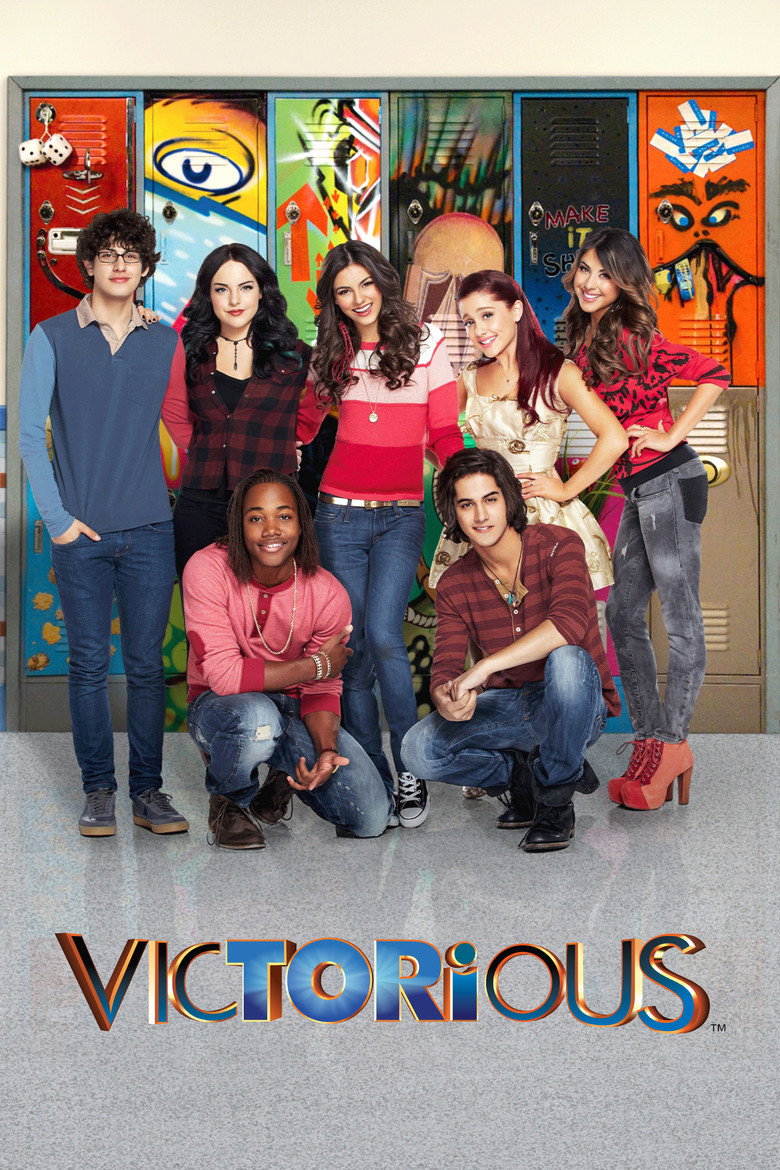
Inventive kids with no adults in charge. The laugh is disorder.
Carly, Sam, and Freddie making something together in a room is a better picture than a child alone with an app. That is the credit. The debit is that the something is a prank, the guardian is a joke, and the apartment is a world without a parent who can say no. Children like it because it is lively. Lively is not the same as good.
If it is on, watch with them and stop on the episode where someone is actually hurt by the bit. Ask whether the laugh was worth it.
Industry
4/10
They produce a show, which is a kind of work, aimed at nothing but the click.
Household
4/10
A brother is the guardian. He is a child in a larger body, and the show likes him that way.
Piety
2/10
Nothing is looked up to except the audience count.
Courage
3/10
The schemes are bold and pointless.
Republic
4/10
Friends are loyal. The public is a studio audience.
Temperance
4/10
Gross-out is regular. It is milder than what came after.
Truth
4/10
It is honest that they are making noise. It calls the noise a career.
Stewardship
3/10
A childhood spent performing for strangers.
Live historicallyLet them record one kind thing and show it to a grandparent, not to a crowd.
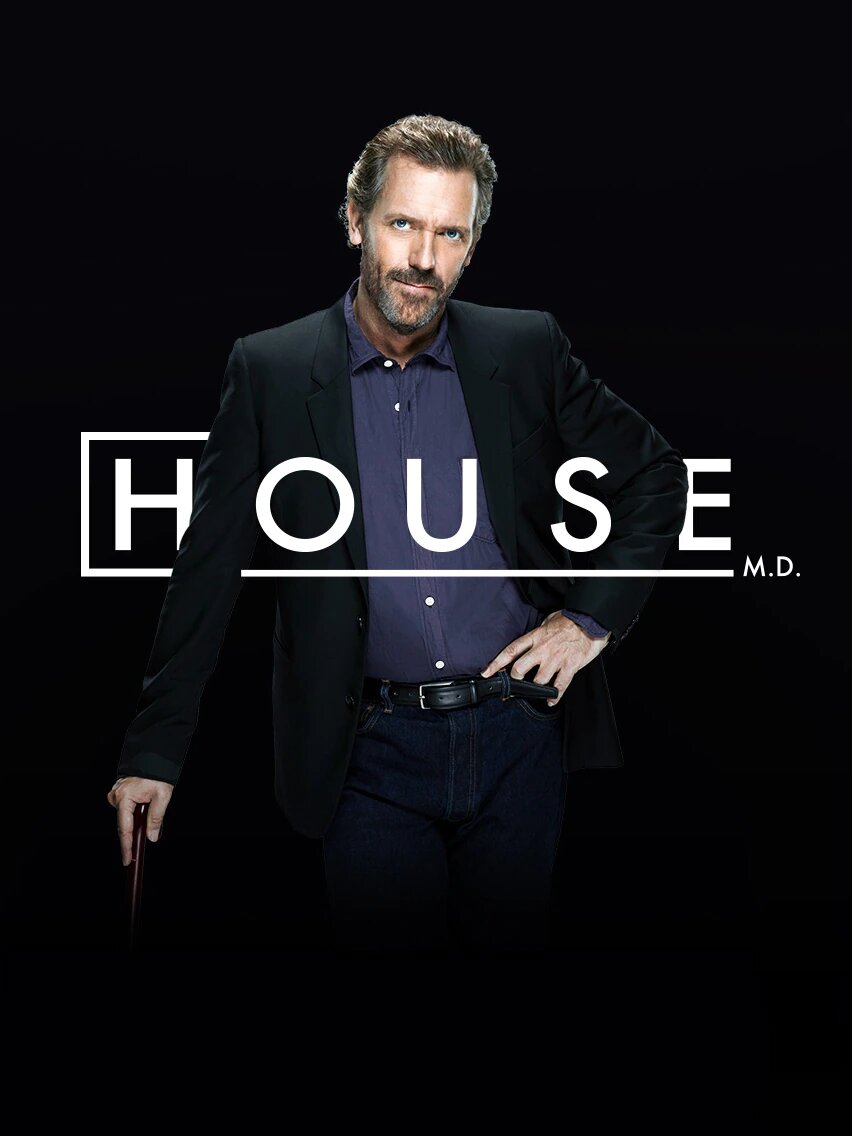
The mind is real. The show's excuse for contempt is not.
The differential is good television: a room of people refusing the easy answer. The personality sold with it is that a cruel man is cruel because he sees clearly. That is the flattering lie, and it has escaped the show into a lot of workplaces.
Watch an episode for the reasoning. Refuse the conclusion that manners are for people who cannot think.
Industry
7/10
Diagnosis as relentless work. The team earns the answer.
Household
2/10
He has no house. He damages the people who try to make him one.
Piety
1/10
Kindness is treated as the lie. Pain is treated as proof.
Courage
5/10
He will risk the patient and himself for the answer.
Republic
3/10
The hospital is a stage for one man's exemption from manners.
Temperance
2/10
Addiction is a plot engine. Misery is a brand.
Truth
6/10
The case is a search for what is actually wrong. That part is excellent.
Stewardship
2/10
He forms no one. He spends them.
Live historicallyBe precise at your work this week and decent to the person who is slower.
Family as a blood feud. The baby is the only argument for mercy.
It is a dynasty soap with fangs. The part that matters is the moment an immortal household has to decide that a baby is not a piece. Hold that moment if you watch any of it. The rest is throne-fighting, and throne-fighting is the same show under every costume.
Industry
3/10
Power is inherited, not earned. A few of them scheme like work.
Household
4/10
The family is the whole politics. Love and ownership are the same gesture.
Piety
1/10
The supernatural replaces any reverence.
Courage
4/10
They fight. The fight is usually for position.
Republic
3/10
A city ruled by a family is not a republic. The show half-knows.
Temperance
2/10
Appetite is the condition of being them.
Truth
4/10
They lie as a custom and sometimes admit the custom.
Stewardship
4/10
A child is the future they suddenly cannot kill. That is the one real turn.
Live historicallyIf you are watching for the family, ask whether they can love a child without owning her.
Survival skills, and a dare that needs the nudity and the camera. Adults, if anyone. Not a virtue because it is hard.
The skills are not fake. Fire, water, food, a shelter, the way a small injury becomes the event. The format is the problem: the nakedness is the title because the difficulty was not considered enough of a product. Two strangers, no bond worth the name, a producer between them and the rescue.
Not for any child. A grown person who wants the craft can learn the craft from people who are not selling the body. Hardship is not honesty. Sometimes it is a stunt.
Industry
7/10
The tasks are real: water, heat, food.
Household
1/10
Strangers. No house. Intimacy as exposure, not as love.
Piety
1/10
None.
Courage
6/10
They endure the hardship they signed.
Republic
1/10
No people but a crew.
Temperance
2/10
The body is the advertisement.
Truth
5/10
The difficulty is not faked. The reason for showing it is.
Stewardship
2/10
A skill you could learn without the contract. The show prefers the contract.
Live historicallyLearn a real outdoor skill with your clothes on, from a person, without an audience.
You do not need a new film to learn that obsession eats a house.
A dark poster and a word. The word is already a diagnosis: a mind that will not return to its work, its people, or the day. Films with this title usually follow the spiral and call the following honesty. Honesty would include the moment a friend tells them to stop, and would not need the spiral's every step.
The desk has not invented the object of this one. It does not have to. If the thing in the room is already a fixation, do not feed it a thriller about itself.
Industry
2/10
Obsession replaces work.
Household
2/10
It eats the household first.
Piety
1/10
A private idol.
Courage
2/10
Persistence in the wrong direction.
Republic
2/10
No neighbors.
Temperance
1/10
The vice is the title.
Truth
4/10
Naming it is the one honest move.
Stewardship
1/10
It leaves the loop running.
Live historicallyCut off one loop of attention that has started to feel like love.
Illness is not a sketch. Adults. Do not put it where a child learns what a body is for.
The culture around weight is full of lies, and a satire could have told the truth about money, shame, and shortcuts. This kind of special would rather be cruel at speed. A drug is a medical fact. A body is a neighbor's. Neither is improved by a cartoon that needs you shocked.
Skip it. If the subject is actually in your house, it deserves a doctor and a table, not a special. Laughing at the ad is allowed. Laughing at the person is the show.
Industry
2/10
The medical system is a set.
Household
2/10
The family is material.
Piety
1/10
No reverence for the body.
Courage
2/10
Provocation.
Republic
3/10
A public health joke.
Temperance
1/10
The appetite is the cruelty.
Truth
3/10
It may glance at a real grift and then smear it.
Stewardship
1/10
Nothing to inherit.
Live historicallySpeak about food and medicine as care, not as a punchline.
A spectacle that taught a decade to enjoy cruelty. Leave it.
Early on, a vow and a family name still cost something. Then the show learned that a shock would be clipped and shared, and it started writing for the clip. Weddings, children, and prisoners became the delivery system. The dragons were the brand. The people under them were scenery.
You do not need the later seasons to know this. The middle ones already prefer the clever monster to the dull man who keeps a gate. Adults who watched it can admit what they were applauding. Do not start a teenager on it and call the violence sophisticated.
Industry
3/10
Rule is intrigue. The work of a realm is rarely the hour.
Household
2/10
Families are factions. Children are hostages or surprises.
Piety
2/10
Gods are flavor. Conscience is what gets you killed, and the show shrugs.
Courage
5/10
Plenty of people are brave. The bravery is spent on the game.
Republic
2/10
There is a realm. The story does not love it. It loves the players.
Temperance
2/10
Sex and slaughter are the retention strategy. It worked.
Truth
3/10
Oaths are made to be broken on a schedule.
Stewardship
1/10
What it handed the culture was a taste for the twist that hurts.
Live historicallyIf someone in the house calls this complicated, ask who the smallfolk were.
The bottom of the row. The children in their care do not matter. Not for Kiki, and not a close call.
The premise is babysitting, which is a real trust, and the comedy is that the trust is a sucker's game. The girls are quick and the children are the furniture. A teenager might watch it as noise. A five-year-old is the age of the furniture.
This is the one to remove first. Not later. Not 'she will not understand it.' She will understand that the laugh is at the little one.
Industry
3/10
They are paid to watch children and they do not do the work.
Household
3/10
A household is the customer's problem. Their own house is a crash pad.
Piety
1/10
Nothing is sacred, including the small people left with them.
Courage
3/10
Nerve, spent on pranks.
Republic
2/10
A neighbor's child is a prop.
Temperance
2/10
Cruelty and chaos are the texture, and the show enjoys them.
Truth
3/10
It is candid that they are bad at the job. It asks you to like them for it.
Stewardship
2/10
Nothing here is worth handing to a five-year-old.
Live historicallyDelete it from her profile before the next evening.