



































































































































Tonight
Ten for the evening
One to ten. Newest, most watched, highest on the Living Meter. Prime, Disney+, Hulu, Hallmark, Acorn, and Netflix.
A scare for children that stays a scare. The moral is usually 'don't touch that.'
Stine's bargain is simple. A child meddles, the object answers, and an adult saying 'it's nothing' is the second mistake. The show is not deep and does not pretend to be. It is a safe place to practice being afraid and then turning the light on.
Keep it for the age that wants a monster and can still sleep. Skip the episodes that make the joke the child's body.
Industry
4/10
The kids are curious. Curiosity is not trained into a skill.
Household
5/10
Brothers, sisters, and parents are present, and often the last to be believed.
Piety
2/10
No reverence. The monster is the point.
Courage
5/10
They go back into the house. That is the small bravery.
Republic
3/10
A town of adults who will not listen. The child is on his own.
Temperance
6/10
Short, complete, and not cruel for sport.
Truth
5/10
The danger is not pretended away at the last second every time.
Stewardship
5/10
A library of small frights a younger sibling can inherit.
Live historicallyOne episode, then the light stays on for the telling, not for the next autoplay.
A campfire. The frame matters: they are together, and the story ends.
The Midnight Society is the good part. Children practice telling and listening, and the dark is a story with a boundary. Individual tales vary from clever to cheap. Keep the boundary. If a tale is only cruel, end the night there.
Industry
3/10
The telling is the craft.
Household
5/10
The circle is a fellowship. They go home after.
Piety
2/10
The scare is the point.
Courage
5/10
They listen to the end.
Republic
4/10
A club with a rule and a meeting place.
Temperance
6/10
One story. Then the fire.
Truth
5/10
Some of the tales have a justice. Some are only a chill.
Stewardship
5/10
A way of handing fear around in a form that stops.
Live historicallyTell one story out loud in the house, with a beginning and a last line, and then stop.
A small, old, kind half hour. No one is cruel for sport.
Frosty wants to survive the warmth and get a child back to her school. The magician is a fool who wants the hat. There is no second layer and there does not need to be. A snowman who is gentle with a girl, a rabbit who worries, a train, a greenhouse. The stakes are melt or not.
It will not form a soul by itself. It will not harm one. Put it on when the house wants twenty minutes of winter without a sermon or a sneak.
Industry
3/10
A walk north.
Household
5/10
He takes care of the girl.
Piety
3/10
A Christmas spell, lightly worn.
Courage
4/10
They keep going as he melts.
Republic
3/10
A town, a parade.
Temperance
6/10
The magician's greed is small and punished.
Truth
6/10
No one is lying about what he is.
Stewardship
5/10
Get the child home. Get the snowman to the cold.
Live historicallyKeep one old short that does not try to be a brand.
Nonsense is funny until it is a government. She comes back. Good.
Wonderland is a place where authority is a temper: a queen who executes, a tea party that never ends, a caterpillar who sneers. Alice is polite and then she is done. The film's best moment is her refusal to take the queen's court as a real court. Curiosity brought her in. Judgment takes her out.
A child can enjoy the jokes. Say that the jokes are not a model of how a house or a school should run. A world that changes the rules to watch you stumble is not a wonder. It is a bully with a teapot.
Industry
2/10
No work. A dream.
Household
4/10
She wants to get back to her sister and the bank.
Piety
2/10
None. Manners without substance.
Courage
6/10
She tells the queen the court is absurd.
Republic
4/10
A tyranny of cards. She will not play it as real.
Temperance
5/10
Curiosity without a limit is how she gets lost.
Truth
7/10
The rules are fake. She says so.
Stewardship
5/10
The good ending is the grass she started from.
Live historicallyWhen a room makes no sense and calls that clever, leave.
A warning that an old story had a victim. Uneven. The interest in the dark is the risk.
Lore is useful when it shows you that the thing the town called a demon had a name and a family and a crime. It is useless when the staging is the attraction and the name is an afterthought.
Adults. Use an episode the way you would use a footnote. If you want the chill more than the name, you have enough.
Industry
4/10
Researchers and reenactors. The labor is the telling.
Household
3/10
Families appear as the people a legend happened to.
Piety
3/10
Folk belief is the subject. It is not commended and not quite examined.
Courage
3/10
The courage belongs to the historical person, when the episode remembers them.
Republic
3/10
A town's rumor is a kind of government. The show likes the rumor.
Temperance
4/10
Some episodes are measured. Some are a campfire that will not end.
Truth
6/10
The best hours insist a monster story was a human act.
Stewardship
4/10
A folklore can be handed on as a caution or as a thrill. The series does both.
Live historicallyWhen you repeat a frightening story, include what was actually done, and to whom.
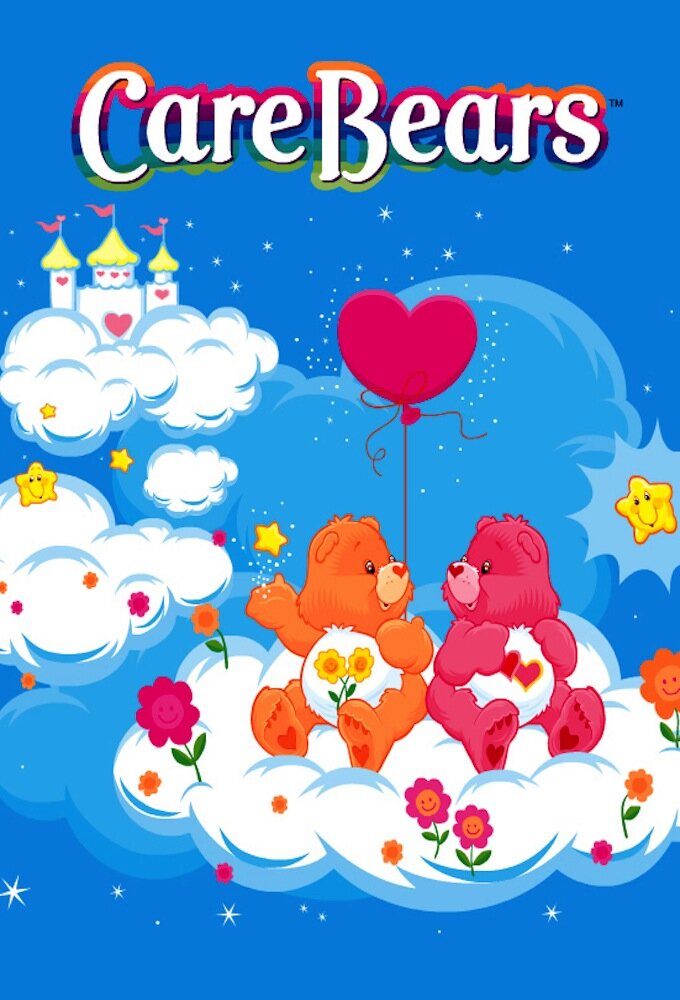
Kindness as a spell. Safe, thin, and made to be watched a long time.
True is kind, and the kingdom agrees to be kind back. A small child is safe here and is not being asked to become anything. The colors are the product. Use it if you need a calm half hour, and do not use it as the story of how problems end. Problems do not end because the air turned pink.
Industry
3/10
The work is wishing correctly.
Household
4/10
A friend and a cat. No household.
Piety
3/10
Niceness stands in for reverence.
Courage
3/10
The risk is a magical mishap.
Republic
4/10
A kingdom that exists to be mended by one girl.
Temperance
6/10
Gentle. Also long, and the same.
Truth
4/10
The feelings are the facts. The world rearranges for them.
Stewardship
3/10
What it hands on is a mood.
Live historicallyOne episode. Then a problem in the house that kindness alone does not fix, solved together.
Grief is real. The aside to the audience is a way of refusing the people who could answer.
The first excellence of Fleabag is that it notices a person using charm to avoid repentance. The second series even puts a priest in the chair. Then it falls for the charm it diagnosed, because the charm is the reason the show is loved. Watch it if you can bear to side with the moment she cannot look at the camera. Stop if you only came for the look.
Industry
4/10
A failing cafe. The work is there and she is not always.
Household
3/10
A sister, a father, a dead friend. The family is the wound she will not dress.
Piety
4/10
A priest in the second series. Faith is taken seriously for once, and then used.
Courage
4/10
She tells the truth sideways.
Republic
3/10
London as a set of rooms.
Temperance
2/10
Sex and the joke are how she stays unfinished.
Truth
7/10
The camera asides are a confession that refuses a confessor. The show knows.
Stewardship
3/10
What she might hand someone is still locked in the bit.
Live historicallySay the hard sentence to the person in the room, not to the audience you imagine.
The interesting part is the weapon they chose to trust. The battle is the invoice.
The only grown sentence is the first one: tired men try to outsource the watching of the world, and the thing they built does not love the world. That is an old warning, and it is the right warning for a decade that kept handing judgment to a system.
Then Sokovia lifts and the warning becomes a set. Stay if you want the argument about who gets to build a peace. Do not stay for the peace itself. The film does not have one. It has a sequel.
Industry
5/10
Stark tries to automate peace so the team can rest. The labor is the mistake.
Household
5/10
They bicker like a house that has lived together too long. The farm scene knows this.
Piety
2/10
A created mind is treated as a tool, then as a demon, never as a soul owed an answer.
Courage
5/10
They go back for civilians on a floating city. That is the courage.
Republic
3/10
The public is a crowd to be saved in a wide shot.
Temperance
2/10
The last hour is rubble because the film needs a last hour.
Truth
5/10
It tells the truth that a shield built in secret becomes a master.
Stewardship
3/10
What they want to leave is a world still standing. They leave a brand.
Live historicallyAsk who in this house would like a machine to do their judging, and what the machine would count.
A father who goes is the true beat. The rest is a scare machine. Adults. Not for a child who has to sleep.
The Further is a gimmick. The father walking into it because the son cannot is not a gimmick. Hold that, and you have the only part worth keeping. The film does not know how to stop once it has the metaphor. It stacks faces and jumps until the fear is a habit, which is the opposite of a lesson.
If the house is already sleeping badly, this is a harm. Courage is going toward your child. It is not sitting in the dark daring your nerves to fail.
Industry
3/10
A suburb and a haunting.
Household
6/10
Parents who will not leave the boy.
Piety
2/10
Spirits as a mechanism.
Courage
7/10
He goes in.
Republic
3/10
A private nightmare.
Temperance
3/10
Fear is the product.
Truth
4/10
The dream logic is not a truth. The parental errand is.
Stewardship
2/10
It leaves the lights on for the wrong reason.
Live historicallyDo not make a game of things in the dark for a small child.
A face is not a review. The desk will not invent Karl.
Some films are allowed to be mysterious because the person is worth the hour. This tile asks for the hour in advance. It may be a biography, a crime, or a mood. None of that is on the glass. Scoring a man you have not met is how rumor works, and this house is against rumor.
Come back when there is a deed. Until then Karl is a word in a cold font, and the Living Meter has nothing honest to wrap around it but a refusal to pretend.
Industry
3/10
No work shown.
Household
3/10
No house shown.
Piety
2/10
A name is not a reverence.
Courage
3/10
Presence is not courage.
Republic
3/10
No neighbors.
Temperance
3/10
Withheld on purpose.
Truth
2/10
The tile withholds the only thing that would let us judge.
Stewardship
2/10
Nothing to hand on.
Live historicallyDo not take a man's measure from a portrait.