



































































































Tonight
Ten for the evening
One to ten. Newest, most watched, highest on the Living Meter. Prime, Disney+, Hulu, Hallmark, Acorn, and Netflix.
A unit that works. Television competence, with the usual shortcut around politics.
The best of it is a squad that drills and then does the thing they drilled. The weak of it is the episode that poses a civic wound and closes it by the tag. Enjoy the craft of the unit. Do not let a tag scene be your understanding of the city.
Industry
7/10
Training, entry, a chain of command. The job is respected.
Household
4/10
Families at home, strained by the shift.
Piety
2/10
Loyalty to the team is the creed.
Courage
7/10
They go through the door.
Republic
5/10
A city, a department, a neighborhood that does not trust the door.
Temperance
5/10
Procedural. The action is the pleasure.
Truth
5/10
It tries to hold both the danger and the distrust. It resolves them too cleanly.
Stewardship
4/10
A team that forms the next sergeant. More succession than the loner shows.
Live historicallyIf you lead anyone, drill the boring part. The show is right about that and only that.
Joy as a meal for someone else. Cute, and a little frantic. The threat is real.
The Bergens eat trolls to feel something. That is a plain picture of a person who cannot generate a life and so devours someone else's. Poppy learns that cheerfulness is not a strategy when a friend is actually gone. Branch, who has had a loss, is not mocked for being careful.
The songs never stop. The useful part does: happiness is not a substance you owe a sad predator. A young child will mostly hear the songs. An adult should hear the diet.
Industry
3/10
Mostly a party.
Household
5/10
Friendship as a small household. A real loss in Branch's past.
Piety
3/10
Joy treated as a sacrament by people who have none.
Courage
6/10
They go into the enemy's city.
Republic
4/10
A tribe. Not a republic.
Temperance
6/10
Eating someone else's joy is the vice, correctly hated.
Truth
6/10
Pretending everything is fine gets a friend captured.
Stewardship
6/10
They save their own rather than convert the eaters first.
Live historicallyDo not hand a child's happiness to a person who only feels alive when they consume it.
The sequel is thinner. The question — love the child in front of you — is the right one.
Dracula's project is to make the boy a vampire so the family story can continue unchanged. The boy may not be that story. The film, under the noise, sides with the child and with the mother who will not have him frightened into a species. The human side of the family is clumsy and still a family.
You do not need the sequels after this. You need the point: a grandfather's disappointment is not a child's assignment.
Industry
4/10
A hotel, a scheme, a lot of chasing.
Household
7/10
Three generations. The marriage is the peace.
Piety
2/10
None.
Courage
4/10
Letting go is the brave act.
Republic
4/10
Two families learning to share a grandchild.
Temperance
5/10
His appetite is for a legacy, and it is corrected.
Truth
6/10
He has to stop pretending the tests are for the boy's sake.
Stewardship
7/10
The child is a trust, not a prop for the myth.
Live historicallyStop recruiting a child for the family myth. Feed the one who is here.
A frightened girl in a poor house. Believe the distress before you believe the ghost.
Enfield, 1977: a house that knocks, a voice that is not Janet's, and a mother who cannot get anyone official to treat her as a parent instead of a case. The series is short and it keeps the council-house facts in the frame.
Watch it as a question about a child, not as a tour of a haunting. If the voice is more interesting to you than Janet, turn it off.
Industry
4/10
The mother is keeping a rented house on very little. That labor is visible.
Household
7/10
The subject is a family with no man in it and a girl who is not safe.
Piety
3/10
The dead are the explanation on offer. Prayer is not.
Courage
5/10
Janet endures being the exhibit. The mother stays.
Republic
4/10
A street, a school, investigators. The public is a pressure.
Temperance
5/10
Three nights, not a franchise. It does not stretch the fear into a brand.
Truth
6/10
It allows that a poltergeist can be a girl in trouble and a story at the same time.
Stewardship
5/10
What matters is whether the child is left with the men and their theory.
Live historicallyWhen a child in your care starts performing a crisis, ask what the crisis is for. Then stay.
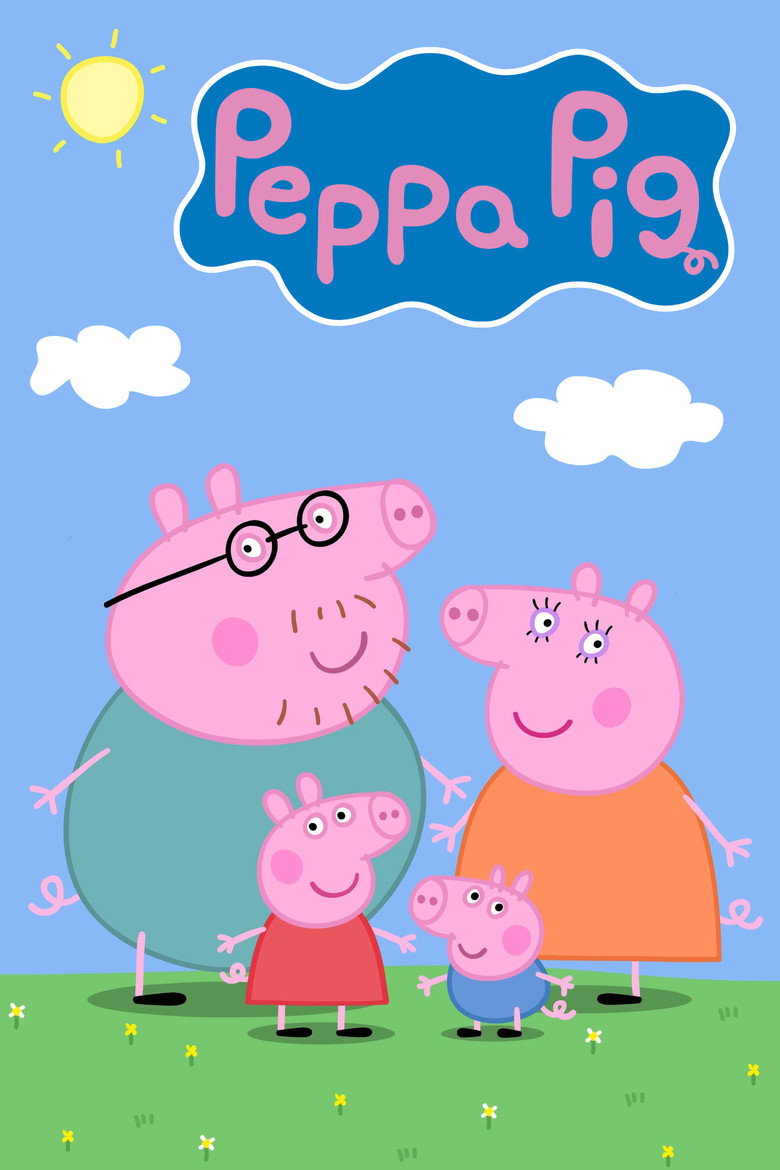
A small holiday special. Kind, and enough.
A Halloween picture that takes a child's size seriously. The fest is for the block. George is not taught to enjoy fear. He is taught to join in. There is no cruelty and no twist. The desk does not need it to be more than that.
If the house wants October without a butcher's laugh, this is one of the ones that qualifies.
Industry
3/10
A neighborhood putting on a fest.
Household
6/10
The man in the yellow hat stays the guardian.
Piety
2/10
A holiday.
Courage
3/10
Small bravery, a costume, a dark street.
Republic
6/10
A block doing something together.
Temperance
7/10
Fright is not the good being sold.
Truth
6/10
Plain as it looks.
Stewardship
6/10
Scaled to a child.
Live historicallyMake the holiday fit the youngest person on the street.
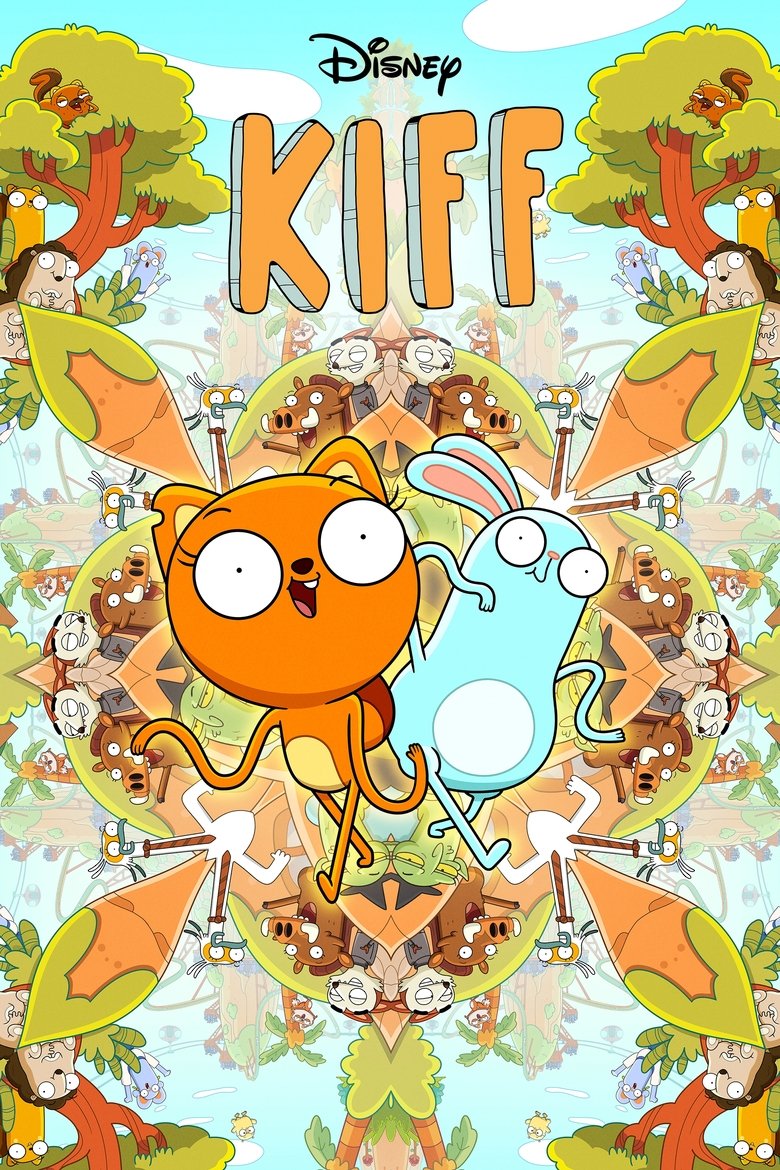
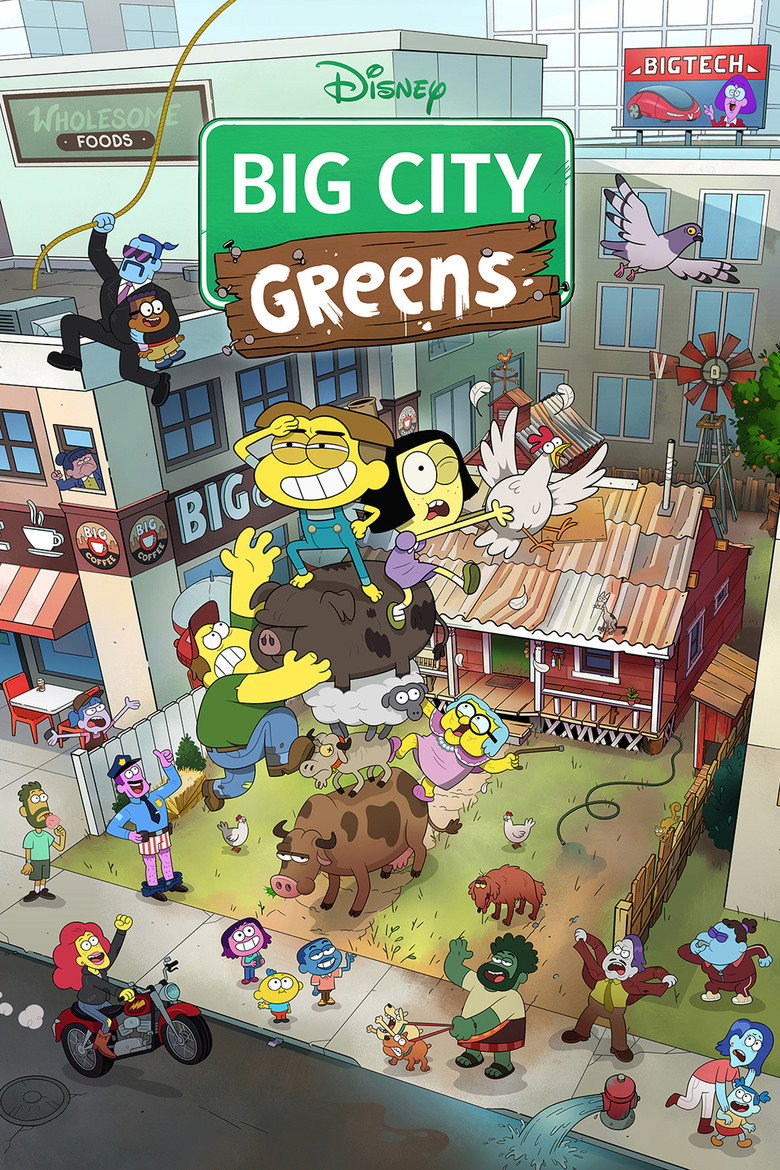
Friendly and minor. A town where people have roles.
Kiff is a current cartoon that is not trying to injure anyone. The stories are about embarrassment, friendship, and a town that continues. That is enough for a younger child and not enough to build a mind on. Use it as a rest, not as the whole diet.
Industry
4/10
The town has jobs. The plots are play.
Household
5/10
A family, lightly drawn, and a best friend who is constant.
Piety
2/10
No creed.
Courage
3/10
Social bravery: the party, the tryout.
Republic
4/10
A neighborhood that functions.
Temperance
7/10
Kind.
Truth
5/10
The emotions are the stated size. It does not inflate them.
Stewardship
4/10
A friend is something you keep.
Live historicallyAfter it, the child does something in the actual town: a walk, a shop, a neighbor.
People who want credit for goodness. Uncomfortable, and accurate. Not a comedy to relax with.
Whitney wants to be seen helping. Asher wants to be seen agreeing. The girl with the soda is the only person in the pilot who says a true thing about a purchase, and they treat her as a hex. That is the moral, and it is a good one.
Adults who can stand to watch themselves. If you only enjoy how awful they are, you have joined the audience they are filming for.
Industry
5/10
They are producing a series. The labor is real and aimed at their image.
Household
3/10
A marriage that performs closeness. The house is a set.
Piety
2/10
A curse instead of a conscience, until the conscience and the curse are the same discomfort.
Courage
3/10
They risk embarrassment, not themselves.
Republic
4/10
A town being improved on camera is a civic lie the show is willing to expose.
Temperance
4/10
The cringe is the method. It is not sadistic, and it is not kind.
Truth
9/10
It will not let a staged good deed count as a good deed.
Stewardship
4/10
The town will still be there when the crew leaves. The show knows.
Live historicallyDo one useful thing this week that you do not photograph and do not describe.
Making is a good verb. Naming the machine after excrement is the tell. The craft is real. The giggle is the cheap part.
The continue card tells you the tone before you press play: a catapult with a bathroom name. Under the name, people are still measuring, failing, and rebuilding. That half is worth a thirteen-year-old's afternoon once. The half that needs the joke to be disgusting is the half the platform thinks she came for.
Watch the build. Mute the naming. If she only laughs at the word, you have your answer.
Industry
7/10
Somebody designed it, cut it, and found out if it stood.
Household
3/10
A shop, not a family.
Piety
2/10
No reverence. A lot of delight, some of it bathroom.
Courage
4/10
They test the thing in public.
Republic
3/10
A contest.
Temperance
4/10
The gross-out is the title. The build is better than the title.
Truth
6/10
A machine either works or it doesn't. That is a clean truth.
Stewardship
5/10
Skill you could copy. A joke you should not need.
Live historicallyBuild one small thing that has to work: a hinge, a ramp, a repair.
A bright girl and a kind, ordinary man. The laugh is that she is smarter than the room. Mild, and a little smug.
Ashley is easy to like and the show is easy to forget, which is the right size for a continue-tile and the wrong size for a habit. The uncle who shows up is the moral fact. The scripts keep undercutting him so the prodigy can win the scene.
Fine at thirteen. If you watch it, side with the adult once, out loud, when he is the one being sensible.
Industry
6/10
Robots, a lab, a mind that works. The uncle's job is coaching, and it counts.
Household
6/10
An uncle who takes her in. That is a household, played for jokes.
Piety
2/10
Brains as the ranking.
Courage
3/10
Sitcom risks.
Republic
3/10
A house, not a town.
Temperance
6/10
Nickelodeon-clean, mostly.
Truth
4/10
It knows she can be wrong socially. It rarely lets the uncle be right.
Stewardship
4/10
A gift for building. Also a lesson that the regular adult is the joke.
Live historicallyLet the teenage expert in your house teach you one true thing, and then teach her one she does not know.
Grief is the true story. The series keeps selling a cheaper one.
Devi is funny, specific, and in pain, and Mindy Kaling knows how to write a girl who is too much for the room. That is worth respecting for ten minutes. The series then decides the way through a father's death is a sexual résumé, and it coaches the audience to cheer the résumé. A mother who holds a standard is written as the person Devi must escape.
Not for Annie's age, and a poor gift at fifteen. If an older teen has seen it, the conversation is not optional: what the show calls freedom, and what it cost the house.
Industry
5/10
School and a mother's medical work are visible. They lose screen time to the crush.
Household
5/10
A widowed mother and a cousin's household are real. The lesson offered to the daughter is a boy.
Piety
3/10
A Hindu home is sometimes honored and sometimes the obstacle to the plot's fun.
Courage
4/10
She is brave about grief in flashes, then spends the courage on a reputation.
Republic
4/10
Friends are loyal. The wider town is a high school.
Temperance
2/10
The show's idea of growing up is appetite, narrated as liberation.
Truth
5/10
It is honest that she is angry and unkind. It is less honest that this is healing.
Stewardship
3/10
A father's memory deserved better heirs than a checklist.
Live historicallyAsk what your house thinks growing up is for, before a show answers for you.


