




































































































Tonight
Ten for the evening
One to ten. Newest, most watched, highest on the Living Meter. Prime, Disney+, Hulu, Hallmark, Acorn, and Netflix.
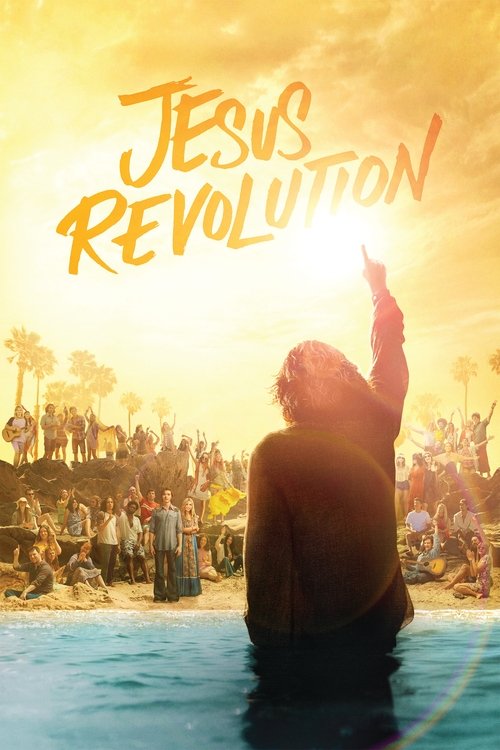
A revival told as a history, not as a feeling. Keep it, and ask what lasted.
The film is interested in a specific time and a specific church parking lot, which saves it from being a generic inspiration. Lonnie is gifted and unstable. Chuck is cautious and then not. The young people want a father as much as a high. The movie knows the difference more often than films on this shelf do.
Watch it with a teenager who thinks faith is a costume of one decade. Then ask the harder question the last reel only sketches: a movement that cannot become a household and a Sunday will be a mood. Moods end.
Industry
5/10
A pastor has a congregation to keep. The work is people, not a stage.
Household
6/10
Broken houses show up. The film wants them repaired, not displayed.
Piety
9/10
The subject is conversion, and it is not embarrassed.
Courage
7/10
Opening the church to people the pews dislike is the brave act.
Republic
6/10
A town, a church, and a generation. Not a private ecstasy.
Temperance
6/10
The drug years are the before. The film does not miss them.
Truth
7/10
It is a history, and it leaves in the part where the leader fails.
Stewardship
6/10
The test is whether anyone is still there when the moment is over.
Live historicallyFind out what your own people believed in 1970, from someone who was there.
A true account of ordinary courage. Watch it.
Miep was a secretary who said yes to hiding people and then kept saying yes in the form of errands. The series understands that courage looks like a shopping bag and a closed mouth. It does not need a speech from this desk. Watch it with anyone old enough to know what the knock on the door meant.
Industry
6/10
An office, a ration book, a bicycle. The heroism is logistical.
Household
7/10
A marriage that agrees to the risk.
Piety
5/10
Conscience, not a speech. They are not saints in their own mouths.
Courage
9/10
They carry the groceries knowing what the knock would mean.
Republic
7/10
A city under occupation. The small refusal is political in the true sense.
Temperance
8/10
Grave, and not in love with the cruelty.
Truth
9/10
It sticks to what a secretary did. The diary is not a myth here.
Stewardship
8/10
The whole story is what one office handed to the future by refusing to comply.
Live historicallyDo one concrete, unposted favor for someone who actually needs it.
A good shepherd, a real death, a mystery a family can bear. Keep it.
George Hardy's flock was not a hobby. He read to them at night, which is a picture of tending that children understand before they understand a parable. Then he is dead, and the sheep refuse the comfortable lie that their kind simply becomes weather. They go looking. A mystery that starts from grief, rather than from a puzzle box, is the right kind.
The film is being talked about as a family picture that will say mortality and still be funny. That is allowed when the laugh does not erase the man. Do not let anyone in the room treat the shepherd as a premise. He was the one who showed up. Ask, when it ends, who is still being tended.
Industry
7/10
Keeping a flock is work, and he did it.
Household
6/10
A lone man and the creatures in his care.
Piety
6/10
A shepherd is an old and serious picture. The film is said to know it.
Courage
7/10
The flock leaves the field to learn the truth.
Republic
6/10
A town with a crime and a duty to the dead.
Temperance
6/10
Grief without a spree.
Truth
8/10
They will not accept a soft lie about his death.
Stewardship
8/10
It hands on the habit of reading to the weak.
Live historicallyRead aloud to whoever is in your care, even if you think they do not understand.
A crew, a standard, and a problem of the week. The best of this shelf's adventure.
It remembers that a starship is a workplace with a chain of command and a reason. Pike is a captain who explains himself and still decides. The episodes are episodes, which means a house can watch one and stop. The optimism is not naivete. It is a rule: you do not get to be curious if you will not bring your people home.
Some hours are thinner than others. The standard holds when the dilemma has a cost and someone pays it without a speech about destiny. A teenager can watch this. It is one of the few current shows that thinks duty is allowed to be the point.
Industry
8/10
Exploration is a job with a log, a shift, and a captain who is accountable.
Household
5/10
The crew is the household. Families on the ship are taken seriously when they appear.
Piety
4/10
Wonder is the posture. A creed is the Federation's manners.
Courage
8/10
They go toward the anomaly, and they go back for the crewman.
Republic
7/10
A chain of command that can be questioned and still has to function.
Temperance
7/10
The unknown is not an excuse for appetite.
Truth
7/10
The log is a record. Pike would rather be understood than mythic.
Stewardship
7/10
The charge of the ship is to return people, not only data.
Live historicallyGive one person under your responsibility a clear order and the means to carry it out.
Time, a master, and grief that arrives late. The best story on this shelf.
Frieren won the quest and missed the people. The series is what she does with that, which is mostly walk, remember, and learn magic as if skill were a way of loving the dead. Himmel is gone, and his absence is the moral fact. Almost nothing here is in a hurry. A boy trained on Solo Leveling will be bored, and the boredom is the correction.
A teenager can watch it. A parent should, because it is one of the few popular fantasies that thinks a victory is worthless if you did not know the people you won it with. The magic is lovely and secondary. The primary thing is attention, paid late, and then paid on purpose.
Industry
7/10
Magic is a discipline she is still bad at in the ways that matter, which are the human ways.
Household
6/10
The party was a household. She learns this after the funeral she did not know how to attend.
Piety
5/10
Awe is the mode. The dead are treated as present.
Courage
5/10
The courage is emotional and, now and then, a real fight she does not relish.
Republic
4/10
Villages, briefly. The scale is a road and a memory.
Temperance
8/10
Almost no appetite. The pace is the restraint.
Truth
8/10
She has to admit she did not understand the journey while it was happening.
Stewardship
9/10
The whole story is what the dead handed her, and whether she will hand it on.
Live historicallyWrite down one thing an older person taught you that you noticed only after they were gone.
A hymn to craft, sung in a panic. The work is holy. The panic is a bad teacher.
Carmy comes back to Chicago to keep a dead brother's shop from dying too. The show believes, correctly, that a sandwich made with care is a kind of love, and that a brigade is a household with tickets. It also believes that the way you reach excellence is to live at a scream. Only one of those beliefs belongs in your kitchen.
Take the standard of work. Leave the glamor of breakdown. If you run a crew, a family, or just your own temper, notice how often the episode rewards the man who cannot come down. Craft is a virtue. Frenzy is how craft gets used as an excuse to be impossible to live with.
Industry
10/10
Nobody on television respects a craft more. The beef window is a moral fact.
Household
6/10
Blood family and a kitchen crew. Both are loved. Both are yelled at.
Piety
4/10
Excellence functions as a religion, with anxiety as the liturgy.
Courage
7/10
They attempt a harder standard than the block requires.
Republic
5/10
A small business is a little republic. It is usually in emergency session.
Temperance
4/10
The show catechizes stress. You can leave an episode buzzing and worse.
Truth
7/10
Grief unspoken is the thing burning the tickets.
Stewardship
8/10
A shop, a recipe, a standard handed to the next crew. That is posterity.
Live historicallyMake one meal carefully and serve it calmly. The calm is part of the recipe.
The truth has a body count when a state prefers the report. Keep it. Adults.
The miniseries is a procedural about lying. Scientists, miners, and soldiers do specific jobs while officials protect the story of the jobs. That is industry and truth in the same hour, which is rare. The radiation is not a monster. It is a fact the meeting would like to adjourn.
It is grim by obligation, not by taste. A teenager old enough to hear about a government can watch it with you. The charge is simple and hard: a people that punishes the person who names the fire will be governed by the fire.
Industry
9/10
Mining, nursing, engineering. The competence is the honor.
Household
4/10
Families are what the workers go home to, when there is a home left.
Piety
4/10
Conscience is a scientist who will not sign the comfortable number.
Courage
9/10
They walk into the plant knowing what it will cost the body.
Republic
8/10
The subject is a state that will not tolerate a true report.
Temperance
7/10
The horror is not lingered on for pleasure. It is the invoice.
Truth
10/10
The lie is the plot. The truth is the only courage that matters.
Stewardship
8/10
A country is poisoned for decades because a meeting preferred a story.
Live historicallyCorrect one false number in your own work, even if the correction is inconvenient.
A parish, a confession of motive, and a mercy the mystery still has to earn. Gentle and sound.
Father Brown is not a genius of clues. He is a man who hears sins for a living and therefore is hard to surprise. The show is lighter than Chesterton and kinder than a real parish, and the structure holds: a village, a sin of a recognizable kind, and a preference for the soul over the handcuffs when both can be had. The inspector wants the arrest. The priest wants the person.
A family can watch it. Say that a real crime is not this tidy. Then keep the part that is not tidy even here: mercy is not the same as saying the thing did not happen.
Industry
5/10
The parish is a job. The mystery is what the job teaches him to see.
Household
6/10
A village of households. The crimes begin in them.
Piety
9/10
The priesthood is not a hobby or a twist. It is the method.
Courage
6/10
He walks toward the guilty person without a weapon and without a pose.
Republic
7/10
A village that still has a common life, including the part that wants a scapegoat.
Temperance
8/10
Greed, lust, and pride are named as motives, not as style.
Truth
8/10
He wants the truth because a lie is bad for the liar, not only for the case.
Stewardship
7/10
What he is keeping is a soul and a village, in that order.
Live historicallyConsider one person you have reduced to their worst act, and add one true thing besides it.
Bloody, and morally awake. Power is a debt, not a personality.
Omni-Man is what strength looks like when it has no neighbor, only a mission and a species-contempt. His son was raised on a kinder story and has to survive the correction. That is a real moral tale, closer to an old one than the jokes suggest. The strong are not the point. What they owe is the point.
It is also savagely violent, and the savagery will be why some people stay. Do not hand it to a child because it is a cartoon. If you watch it, watch the mother and the choice. Then ask, in your own smaller life, whether your strength is a shelter or a rank.
Industry
6/10
He has to learn the job. Power is not treated as self-justifying.
Household
8/10
Father and son, a mother, a girlfriend: the house is the argument.
Piety
5/10
A moral law shows up as the question his father refuses.
Courage
8/10
The boy chooses the weaker people at great cost.
Republic
7/10
What the strong owe a city is the theme, not a side quest.
Temperance
3/10
The violence is extreme. It risks becoming the reason to press play.
Truth
8/10
A father's lie about who he is drives the tragedy.
Stewardship
7/10
The son is the posterity, and he rejects the inheritance of contempt.
Live historicallyUse one advantage you have — money, time, a skill, a calm temper — for someone who cannot repay it.
A republic, a horror, and the letters home. The one a house should sit through once.
The photographs hold still, and the letters do the moral work. Men write home about mud, fear, and what they think the fight is for. The series does not treat the war as a mood or a pageant. Slavery is the fact at the center, and the series says so. It also stays with the particular dead, which keeps the fact from becoming only a thesis.
A teenager can watch it with you, in pieces. It is long because the war was long. Do not put on a drama about the same years until you have sat with this. The letters are the stewardship: a people telling itself what it did, in the words of the people who did it.
Industry
6/10
Soldiering, nursing, governing. The labor is in the letters.
Household
7/10
The letters are from households. The war is what happened to them.
Piety
6/10
Providence is in the mouths of the people who were there, not pasted on by the film.
Courage
8/10
The courage is specific and terrible, and not only on one side.
Republic
9/10
The subject is whether the Union and the promise in its founding could be kept.
Temperance
7/10
The horror is the record. It is not staged for a thrill.
Truth
9/10
Letters and photographs are allowed to contradict the easy story.
Stewardship
9/10
It hands a house the dead by name, which is the beginning of honesty.
Live historicallyRead one soldier's letter aloud, from either side, and do not add a speech after it.