

























































































Tonight
Ten for the evening
One to ten. Newest, most watched, highest on the Living Meter. Prime, Disney+, Hulu, Hallmark, Acorn, and Netflix.
The decade watched the years that mattered. A talent spent on a con. The bill arrives with a name.
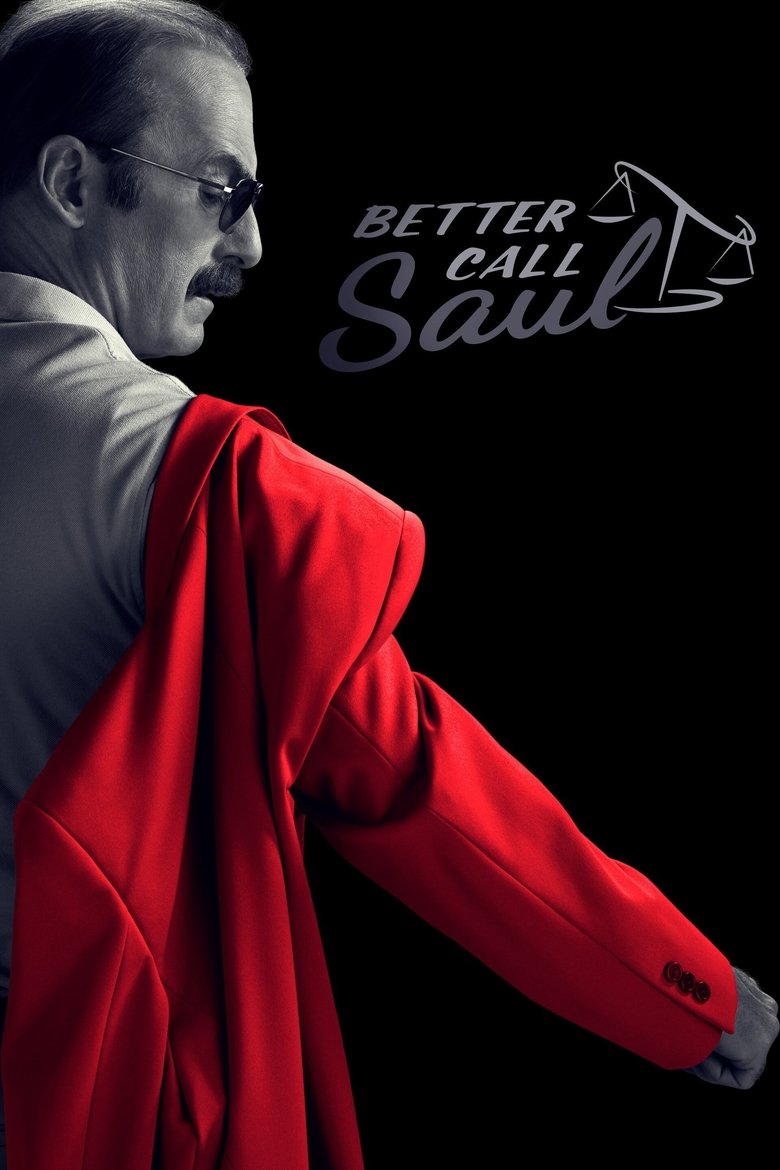
Jimmy is funny and he is kind in small ways, which is how a corruption becomes hard to hate in the first season. The series earns its length by refusing to freeze him there. Kim is the moral center precisely because she is not a saint: she enjoys the trick, and then she is the one who can still say the trick has a victim and walk away. Chuck is proud and he is not wrong about his brother.
The show began just before this decade and the country watched it through these years. Adults. It is one of the few crime stories that remembers a victim is not a beat. If you watch it, do not stop at the charming years. The measure is the ending, where a clever man is finally only a man who did the things.
Industry
8/10
Law is a craft here: filings, a defense, a mailroom. He is brilliant at it and he will not stay inside it.
Household
5/10
A brother who loves him and cannot trust him. A woman who keeps a true professional life beside his slide.
Piety
2/10
No piety. The nearest conscience is Kim's, and she has to build it herself.
Courage
5/10
He walks into danger for a scheme more often than for a person.
Republic
5/10
Courts, cartels, a city of small frauds. The public is who gets talked into the scam.
Temperance
4/10
The show is patient. It still makes the con fascinating, which is the risk and the subject.
Truth
8/10
A lie is not a personality. The series, by the end, sends the invoice.
Stewardship
4/10
What he leaves is a name that means a fraud, and a few people who got out. That is a warning, not an heirloom.
Live historicallyStop explaining a clever wrong as a personality. Name the person it cost.
A lifelong friend is a real good. The series sells it with too much gloss and a funeral hanging over it.
Tully and Kate are a picture of a friendship that functions as a vocation, which some lives really do have. The series wraps that picture in the conventions of a bestseller: a countdown to a loss, a secret, a career that photographs well. You can be moved by it and still see the strings.
Adults. If you watch it, watch it for the cul-de-sac, not for the newsroom. Ask which of your own old friends you have replaced with people who are useful.
Industry
5/10
Newsrooms and a talk show. The work matters less to the show than the bond.
Household
6/10
Mothers, a daughter, men who are not equal to the friendship.
Piety
3/10
Sentiment stands where reverence might.
Courage
5/10
They defend each other at a cost, and sometimes when they should not.
Republic
5/10
A street that remembers them. The wider world is an office.
Temperance
4/10
Ambition and affairs get their episodes.
Truth
5/10
Memory is unreliable on purpose. The show wants the feeling more than the record.
Stewardship
6/10
The question is what one woman leaves the other to finish.
Live historicallyWrite to a friend from the street you grew up on. Not a comment. A letter.
Inheritance as identity. A ranch can be a stewardship or a fortress. This tradition picks the fortress.
A ranch is one of the few plots television has left where stewardship is literal: grass, water, winter, the people who work it. The Dutton way of telling that story keeps turning the stewardship into a blood right against neighbors, tribes, and the state. The work is real. The throne is the lie they tell about the work.
Industry
6/10
Cattle, horses, weather. The work is not pretend.
Household
5/10
Blood is everything. That keeps them and blinds them.
Piety
2/10
The land is the god.
Courage
5/10
They will fight. They call every fight a necessity.
Republic
3/10
The valley's law is whatever the family can enforce.
Temperance
4/10
Pride is the family style.
Truth
4/10
The grievance is partly true and wholly indulged.
Stewardship
5/10
They mean to hand the ground down. The means corrupt the handing.
Live historicallyIf the land matters to you, learn one true thing about who kept it before your family name.
The land is a real good. The method is a feud. Do not confuse them.
The show's best instinct is that a place can be worth keeping and that keeping it is work. Cattle, fences, a brand, a courthouse. A household that has only known a suburb can feel the pull, and the pull is not fake. Stewardship is in the premise.
Then the premise picks up a gun and a speech. The Duttons treat neighbors, Native nations, and their own children as obstacles to a legacy. A legacy that requires a body is not stewardship. Watch the work. Refuse the western that says the family is the law.
Industry
8/10
Ranching is shown as labor, weather, and a payroll.
Household
4/10
The family is the fort. Love inside it is mostly loyalty under orders.
Piety
2/10
The land is holy to them. Other people's claims on it are not.
Courage
6/10
They will fight for the ranch. The fight is often the wrong tool.
Republic
3/10
A valley with laws. The family would rather be the exception.
Temperance
4/10
Violence and whiskey are the style of the men the show likes.
Truth
4/10
The story they tell about the land leaves out the people who were there.
Stewardship
6/10
Keeping a place for the people who come after is the right question. Their answer is a bunker.
Live historicallyLearn one true thing about the land you live on that is not a brand.
A climb with no household and no limit. Boys will find it. Do not leave them there.
Jinwoo starts as the person who shows up anyway, which is a real virtue, and the show knows it for a few episodes. Then the fantasy arrives: secret power, a system that rewards him, a world that exists to be cleared. Other people become the audience of his level. That is the modern boy-story in its purest form, and it is popular because it is a mirror, not because it is a correction.
A teenager will watch it with or without you. Watch the first episodes beside him and name the turn, out loud, when the courage stops being for the weak people in the room and starts being a private high score. After the turn, you already have the measure.
Industry
5/10
He grinds. The work is real at the start and then becomes a montage of dominance.
Household
3/10
A mother and a sister are the stake, and then the stake is his rank.
Piety
1/10
No reverence. The system is the god, and it likes him.
Courage
6/10
He goes into the gate when he is the weakest person there. That part is true.
Republic
2/10
Hunters are a marketplace of rank. A city is a place that needs saving by him.
Temperance
3/10
The pleasure is the power spike. The show is built so you want the next one.
Truth
4/10
The threat is plain. The later fantasy is not an honest account of strength.
Stewardship
2/10
What a boy takes home is a wish to be unmatched. Unmatched is a lonely stewardship.
Live historicallyIf a boy wants to be the strongest, ask him strongest for whom, and do not accept 'myself.'
A teacher in charge, and a fact at the end. The fantastic bus is only the way they get to the fact.
Ms. Frizzle is an adult who knows more than the children and uses the advantage to show them the world, not to become their peer. That alone separates this from the row around it. The bus is impossible and the facts are not. Watch it when a child asks how a thing works. It is a lesson. Treat it as one.
Industry
7/10
The episode is a lesson, and Ms. Frizzle treats teaching as a vocation.
Household
4/10
A class, not a family. She is the adult, and she remains one.
Piety
4/10
Wonder is allowed to be about the world, not about the children.
Courage
5/10
They go into the difficult place because she goes first.
Republic
6/10
A class that has to come back and report.
Temperance
7/10
The marvel serves the explanation. It does not replace it.
Truth
8/10
The science is the point, and the show checks itself.
Stewardship
7/10
A child may leave knowing how something in the real room works.
Live historicallyAfter the episode, find the same fact in the house: a plant, a light, a bone.
Making, without irony. The calm is not an accident.
Ross is not a children's host and not a drama. He is a man doing one thing well and refusing to humiliate the viewer for being new. A house that has been living on commentary can put this on and remember what a finished thing feels like. Paint with it or cook with it. Do not fold laundry and call that the same, though the laundry is also fine.
Industry
9/10
A craft, shown from the first stroke to the last, in real time.
Household
4/10
No household on screen. The voice is paternal anyway.
Piety
4/10
Gratitude is the tone. He treats the world as given.
Courage
4/10
The bravery is the mark on a blank canvas, which he refuses to dramatize.
Republic
3/10
A studio. The public good is the invitation to try.
Temperance
9/10
No appetite. No rush you can fail.
Truth
8/10
He says mistakes are just trees. He means the paint, and he is right.
Stewardship
7/10
A skill handed to strangers, free, on purpose.
Live historicallyMake the picture, or the meal, all the way to done. His promise is that done is available.
Gentle to a fault. The fault is not the family. The fault is pretending no trouble is large.
Beaver tells the truth by the end of the episode, and his father does not humiliate him for the delay. That structure is sound. The world around it has been cleaned until a child might think every problem is a broken window. Use it for the structure. Supply the larger world yourself, later, without sneering at the house that could confess a small thing.
Industry
6/10
Ward works. The boys have chores and school. June runs the house as a post.
Household
8/10
A mother and a father, present, on the same side.
Piety
4/10
Decency is assumed. God is barely required because the world is already orderly.
Courage
4/10
The courage is confessing. That is the right size for the age.
Republic
5/10
A neighborhood of families. Thin, and still a neighborhood.
Temperance
8/10
Nothing in it is an appetite.
Truth
6/10
The lessons are plain. They are also sometimes too easy.
Stewardship
7/10
Made for a child to grow past, not to be harmed by.
Live historicallyOne episode with a child, then a real small confession in your own house goes unpunished.
Keep it. Cheerful, and on the side of the person who can actually do the work.
Lina's cruelty is that she will take a voice that is not hers. Kathy's grit is that she has the voice and is tired of being decorative. Don's arc is small and right: stop being only a face. The rain dance is joy with no victim, which is rarer than it looks. Hollywood is mocked by people who know how the sets are built, so the mockery stays fond and accurate.
A child can watch this and see competence celebrated. When Lina is exposed, do not gloat longer than the film does. The point is Kathy's name on the work.
Industry
8/10
Rehearsal, diction, the unglamorous part of a picture.
Household
4/10
Courtship. Little family.
Piety
3/10
Delight, not devotion.
Courage
6/10
Telling the public the truth.
Republic
5/10
A studio as a small republic of labor.
Temperance
7/10
High spirits without cruelty from the leads.
Truth
8/10
The dub is a lie and is ended.
Stewardship
7/10
It hands a child the pleasure of practice.
Live historicallyGive the credit to the one who did the job.
Ambition pointed at a monster, then corrected toward a person. Better than the poster.
Igors are supposed to be servants of evil scientists. This one wants the credit, which starts as vanity and turns into responsibility when his invention wakes up as a girl with a conscience. The evil science fair is a joke about a culture that rewards harm. The film picks the girl.
It is macabre in a cartoon way. Older children, not the nursery. The useful line is that a maker answers for what stands up and calls him by name.
Industry
7/10
Invention is the plot. So is the credit, honestly wanted.
Household
5/10
He becomes a guardian of what he made.
Piety
3/10
A mockery of mad science, not a creed.
Courage
6/10
He tells the truth in front of the fair.
Republic
5/10
A kingdom that applauds the wrong experiment.
Temperance
6/10
The will to be famous is checked by a person.
Truth
7/10
The monster is a person. Pretending otherwise is the sin.
Stewardship
7/10
He keeps her. That is the stewardship.
Live historicallyIf you make something, ask whether it can live with you, not whether it can win.