


































































































































































Tonight
Ten for the evening
One to ten. Newest, most watched, highest on the Living Meter. Prime, Disney+, Hulu, Hallmark, Acorn, and Netflix.
A family that likes itself. The plot is a custody scare. The loyalty is the point.
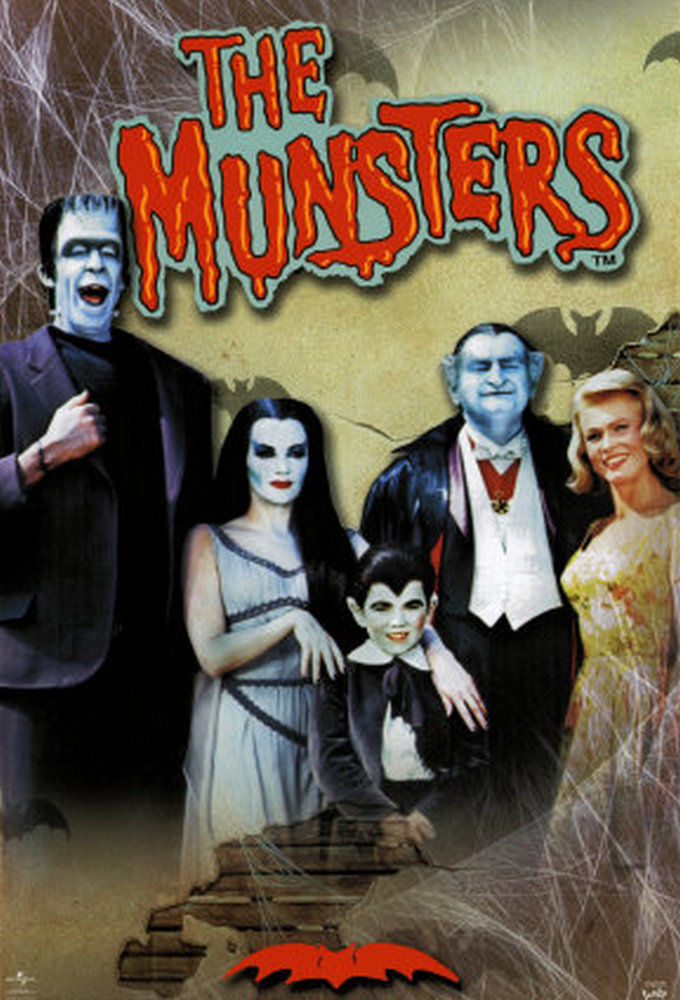
Gomez and Morticia are married and glad of it, which is rarer than the jokes. Wednesday is brilliant and halfway out the door, and the film's fear is a stolen child and a false parent. The road trip is noisy. The refusal to give her up is simple and right.
Not the old series. A cartoon with a real marriage in the front seat. If the house likes this family, like them for that, not for the gag rate.
Industry
4/10
A vacation, a science fair.
Household
8/10
A mother and father who want their daughter, and each other.
Piety
2/10
Their odd rites are family custom, not a creed.
Courage
5/10
They cross the country after her.
Republic
3/10
A private family against a claimant.
Temperance
5/10
Wednesday's coldness is a phase the film hopes will thaw.
Truth
6/10
The other claimant is not her father. Blood and care are sorted out.
Stewardship
7/10
They will not lose the child to a story that sounds impressive.
Live historicallyTake the trip. The point is the people in the car, not the landmark.
Bring your questions. Do not confuse a documentary's comfort with a proof you did not examine.
Lee Strobel's method is the interview: people, near-death accounts, a case built the way a brief is built. A house that believes the resurrection does not need a brief to be allowed to hope, and a house that does not believe should not be sneered at for wanting more than interviews. The film is on the side of hope. Hope is a virtue when it stays answerable to the dead you have actually buried, and a product when it only soothes.
Watch it as an argument, not as a vision. Then do the harder thing the camera cannot do, which is to pray or to admit you will not, out loud, without the music.
Industry
5/10
Journalism as the method.
Household
4/10
Grief is the doorway.
Piety
7/10
The aim is heaven, argued.
Courage
5/10
He asks in public.
Republic
4/10
A personal case more than a people.
Temperance
5/10
Earnest.
Truth
5/10
An argument is not yet a testimony you have tested.
Stewardship
5/10
Use it to return to the text, or not at all.
Live historicallyRead one chapter of a scripture you claim, slowly, and sit with the parts you skip.
A sports show for the age that is living in it. The beam is honest. The drama around it is ordinary.
My Perfect Landing lives in the row because this account likes a girl under pressure and a skill you can see. That is a better appetite than the scare dispenser two rows up. The show will still fill time with jealousy and a crush, because that is how these series keep a next episode.
Reasonable at thirteen. Prefer the episode where the landing is the problem, and say so.
Industry
8/10
Gymnastics does not care about your mood. That is the good of it.
Household
5/10
Coaches and teammates standing in for a house.
Piety
2/10
The scoreboard is the only high thing.
Courage
6/10
Getting back up on the equipment after you miss.
Republic
4/10
A gym as a small republic of who makes the lineup.
Temperance
5/10
Teen feelings, not a debauch.
Truth
5/10
It is clear that talent without the boring hours is a wish.
Stewardship
5/10
A body you are responsible for, not a picture you post.
Live historicallyGo watch a practice you are not in, and notice who stays after the others leave.
Nerve and a real craft. The house is what she is willing to spend.
Midge is talented, and the show is honest about the work it takes to be funny on purpose. Franklin would have respected the hustle. He would also have asked who is putting the children to bed while the room applauds. Both questions belong in the measure. Pretending a woman's ambition is the villain is lazy. Pretending a household is nothing is also lazy.
Watch the craft. Argue with the accounting. A life can hold a gift and a table. The tragedy, when the show is sharp, is that she is told she must pick, and she picks the lights. Do not clap past that. Ask what you have been calling a calling that is really an exit.
Industry
8/10
She gets good at a hard craft by doing it when it is humiliating.
Household
4/10
A broken marriage, children in the wings, a home treated as the obstacle.
Piety
3/10
The nightclub is the sanctuary. That is a thin church.
Courage
7/10
She risks name and comfort. The risk is genuine.
Republic
4/10
Society is a set of rooms to escape, not a duty to improve.
Temperance
4/10
The life is booze, bit, and applause. Temperance is not the fantasy.
Truth
6/10
The jokes often tell a truth the polite room was hiding.
Stewardship
4/10
What the children inherit is mostly her absence and her legend.
Live historicallySpend one evening on a skill that is yours, and one evening where you are simply present at home. Do not trade them away permanently.
A middle-school story. The nerve is real. The rest of the life is not a five-year-old's yet.
Of the live-action row, this is the least careless. Bella wants a place she has to earn, and the show lets the earning matter. That is a story worth having in the house when Kiki is old enough to know what a tryout is.
She is five. The friendships, the status, and the jokes are written for a girl twice her age. Wanting to be brave is not a reason to hand her a middle school. Take it off this playlist.
Industry
6/10
Practice, a team, and a girl who learns the work.
Household
4/10
Friends and parents are in it. So are middle-school status games.
Piety
2/10
No creed. Popularity does a lot of the talking.
Courage
7/10
She walks into a locker room that does not want her. That is courage.
Republic
5/10
A team is a small republic, with rules. The show also likes the snub.
Temperance
5/10
Cleaner than the sitcoms beside it. Still pitched at twelve, not five.
Truth
5/10
The sport is a sport. The social plot is the usual television version.
Stewardship
4/10
A girl can keep the idea that she may try the hard team. Later.
Live historicallyRemove it from her row. Remember it for later, when she can hear the part about earning a place.
Work, and a clever room. Thinner than the film it came from. Optional.
Inside Out already said that a girl needs Sadness in the room. This spins off the industrial metaphor: a studio, a director, a product that is someone else's night. The jokes are about show business. The girl is the audience of her own unconscious, which is a strange reversal.
You can watch it after the films if the house liked them. Do not let the studio become the character. The person asleep is the character. If the series forgets her, it is only a workplace comedy with better patents.
Industry
7/10
A crew with call times, notes, and a product due by morning.
Household
4/10
The family is offstage. The dream is about them, sometimes.
Piety
2/10
None.
Courage
4/10
Professional risks. Little that costs a life.
Republic
3/10
An office.
Temperance
5/10
Ego of directors, played as the obstacle.
Truth
6/10
The dream has to tell her something true enough to sleep on.
Stewardship
4/10
What is handed on is a mood, not a memory she chose.
Live historicallyAsk a child what they dreamed and do not turn the answer into a lesson unless they do.
The confession is serious. The show puts a real kind of harm on a stage. Adults, once, and then stop.
This is not a puzzle about a villain. It is an account of pursuit, shame, and a harm that happened before the pursuit, told by the person who lived it. That seriousness is why it is not nothing. The trouble is the form. A confession on a global stage becomes a show, and a show has a shape that rewards the worst hour. The people depicted did not agree to be the hour.
Adults, and not as a binge. If you watch it, do not turn around and speculate about the real names for sport. The moral use of a story like this is private: whether this house is a place where a person can say a shameful true thing before it becomes a performance.
Industry
5/10
Bar work, comedy sets, the unglamorous jobs around a person coming apart.
Household
3/10
A family and a girlfriend he lies to. The house is what the secret keeps him out of.
Piety
2/10
No creed. The nearest thing to a confession is the set.
Courage
6/10
He finally says the thing he had arranged his life to hide.
Republic
3/10
The law is slow and imperfect. The public, once he tells it, is an audience he cannot control.
Temperance
3/10
The show is built so you cannot look away, which is both the honesty and the risk.
Truth
7/10
A story about being hunted that is also about the harm he did not want to name. The complication is the truth.
Stewardship
3/10
What it leaves is a testimony. Whether the testimony protects the next person, or only displays this one, is not settled.
Live historicallyMake it possible for someone in this house to tell you a hard true thing without an audience.
A marriage that stays a marriage. The schemes are the joke. The vow is not.
Lucy wants in. Ricky wants the act, the order, and the man of the house as the period understood him. The show is funnier than that argument, and the argument is still in it. What holds is that they do not leave. Ethel and Fred are a second marriage, louder and just as stuck, in the good sense.
A family can watch it. Some of the marriage jokes are from 1951 and should be answered out loud, not swallowed. The part to keep is the part current comedies lost: the couple is still the couple at the end of the half hour.
Industry
5/10
Ricky works. Lucy's work is the scheme, which is play, and sometimes a real try.
Household
8/10
The marriage is the premise and the destination. They quarrel and stay.
Piety
3/10
Little reverence. A baby, when he comes, is treated as a fact of the house.
Courage
4/10
She is brave about embarrassment. The stakes are social.
Republic
4/10
An apartment building is the town. The neighbors are in the plot.
Temperance
6/10
The excess is a costume and a plan. It ends before the next morning.
Truth
6/10
The schemes collapse. The truth comes out, usually in front of Ricky.
Stewardship
6/10
What lasts is the household, including the neighbors who might as well be kin.
Live historicallyAttempt one harmless project with the person you live with, and let it fail in front of them.
The standard romantic comedy, because the economics are real and the judgment matters.
This is the 1995 series, and it is the one to watch if the house is going to watch Austen. The flirtation is delightful because a bad marriage is on display in the same rooms: Mr. and Mrs. Bennet, and Lydia's disaster. Love is not an exemption from judgment. Put it on. Let a teenager see that wit is not enough and that a steady man is not a consolation prize.
Industry
5/10
Entail, income, a living. Austen does not let love float free of bread.
Household
8/10
The Bennet household is the engine. A foolish mother and a detached father have a cost.
Piety
4/10
Clergy, manners, a moral world. Church is a living as well as a virtue.
Courage
5/10
Elizabeth's bravery is a refusal. She will not take the wrong bargain.
Republic
5/10
A neighborhood of families, rank, and reputation.
Temperance
7/10
Feeling is disciplined by sense. Lydia is what happens when it isn't.
Truth
8/10
First impressions are tried and corrected. That is the plot.
Stewardship
7/10
The question is which marriage will still be standing, and what the daughters will have.
Live historicallyWatch it together. Ask, of each couple, who would still be kind on an ordinary Tuesday.
Making, kindness, and a dog who is the adult. A treasure.
Wallace is generous and unwise. Gromit is patient and competent. Together they are a moral about tools: a gadget that saves effort can cost the house, and someone has to notice. The films are short, funny, and made by hand. Put them on whenever the row is otherwise loud.
Industry
8/10
Invention is the joy and the joke. Cheese, rockets, trousers.
Household
6/10
A man and a dog who are a household. Gromit keeps it from burning down.
Piety
3/10
No creed but decency.
Courage
5/10
Gromit faces the trouble Wallace invented.
Republic
4/10
A village, a neighbor, a museum.
Temperance
8/10
Short films. Complete ideas.
Truth
8/10
The machines tell the truth about the maker.
Stewardship
7/10
Handmade, and handed down. You can see the fingerprints.
Live historicallyMake something slightly useless and give it to someone in the house. Gromit would supervise.