

























































































Tonight
Ten for the evening
One to ten. Newest, most watched, highest on the Living Meter. Prime, Disney+, Hulu, Hallmark, Acorn, and Netflix.
A serious man after the truth. Not for children. Worth an adult evening if you can bear the case.
P. D. James wrote a detective who is also a man in mourning, and this series keeps that. Adam Dalgliesh does not enjoy the corpse. He wants the sentence that makes the death intelligible, and he will not take a prettier one. That is truth as a vocation, which the standard recognizes even in a murder story.
Do not put it on for children. The cases are ugly, and ugliness is not a virtue. For an adult who has started to think every institution is only a costume, it is a useful counter: a public servant who still believes a fact can be established and ought to be. Watch one case. Then tell a truth you have been softening.
Industry
8/10
Detection is treated as a craft: interviews, records, the patience to be wrong once.
Household
4/10
He is a widower. The household is a grief, not a table with people at it.
Piety
6/10
A poet's attention to the soul. No creed is required, and none is mocked.
Courage
7/10
He walks into rooms that do not want him and stays until the account is finished.
Republic
7/10
The law is the job. A title does not put a suspect above it.
Temperance
7/10
The violence is the crime, not the invitation. Still too grim for a family night.
Truth
9/10
The whole measure of the man is whether he will say the true thing when it indicts a respectable house.
Stewardship
6/10
What he protects is the next person the killer would have reached.
Live historicallySay one true thing this week that a respectable room would rather you rounded off.
Keep it. Work, friendship, and a house with rules. One of the few things in this row that is quietly proud of ordinary labor.
Kiyo cannot become a maiko the way her friend can, and the series refuses to treat the kitchen as the consolation prize. The geiko house needs to be fed. Someone has to notice the market, the season, the girl who is homesick. Almost nothing explodes. That is why it belongs in a house.
Put it on for thirteen, and for younger if they can read the quiet. The talk afterward is simple: what work in our house is invisible, and who is hungry.
Industry
9/10
Knives, rice, a kitchen that feeds a house of apprentices. The excellence is the meal.
Household
8/10
A house of girls under older women. Friendship without a speech.
Piety
5/10
Ritual is everywhere: dress, season, the way you enter a room. It is custom more than prayer.
Courage
6/10
The courage is staying in the work you are actually good at.
Republic
7/10
A house is a small order, and the cook keeps it alive.
Temperance
9/10
Gentle. No craving is being sold.
Truth
8/10
It tells the truth that a gift for the quiet job is not a failure at the famous one.
Stewardship
9/10
A meal handed to the people who will dance tonight. That is stewardship.
Live historicallyCook one meal that is for the people in the next room, and sit down only after they have started.
Piety and its counterfeit, in the same house. A serious hour.
A detective in the Latter-day Saint community is asked to investigate a murder committed by men who are sure God has promoted them past the law. The show's value is that the detective is not a sneer in a jacket. He believes. He also has to look. That is piety with a spine, and it is rarer on screen than piety as a joke or piety as a weapon.
You can disagree with his church and still recognize the test. Any household that hands its conscience to the loudest certain man in the room is one bad week from a disaster. Watch it for the detective's face when the evidence and the brethren part ways. Then decide, in advance, which one you will follow.
Industry
7/10
A working detective, a suburban town, ordinary labor around the crime.
Household
8/10
Marriage, sister-wives, children: the household is where the theology lands.
Piety
8/10
The subject is the difference between faith and certainty that will kill.
Courage
7/10
A believing man follows the evidence when it indicts his own people.
Republic
6/10
A community's pressure against the law is part of the dread.
Temperance
6/10
Zeal is the excess. It is not celebrated.
Truth
8/10
Fundamentalism here is a story people tell until someone dies of it.
Stewardship
6/10
What a father teaches his daughters is the quiet stake.
Live historicallyWrite down the authority you will not outrank your conscience with. A feed, a party, a man, a crowd.
A closed town, a forbidden question, and the cost of asking it. Worth the first season.
The silo is a republic in a can. It has a sheriff, a mayor, a judicial arm, and a founding story. The story is the lock. Juliette is an engineer, which matters: she trusts the machine more than the speech about the machine. The show is on her side, and it is right to be.
It is a thriller, so it withholds. Season one pays the withholding off with a real question about who a people is allowed to be told they are. Stay through that answer. Do not need every later tunnel. A house can use the picture of a mechanic who would rather see the outside than repeat the catechism.
Industry
8/10
Engineering keeps the silo alive. Her competence is the plot.
Household
4/10
Pairs and losses. The silo is the household, crowded and rule-bound.
Piety
4/10
The founding story functions as a religion. She treats it as a claim.
Courage
8/10
She walks toward the door everyone is afraid of.
Republic
8/10
The subject is whether a people may be governed by a lie that keeps them alive.
Temperance
6/10
The dread is the design. It is not a gore reel.
Truth
9/10
The forbidden video is a fact. The regime is the story about the fact.
Stewardship
7/10
What she owes is the next generation of people who will live in the can.
Live historicallyFind one rule in your own house that nobody is allowed to ask about, and ask.
The love is a father's. The method is a manhunt. Not for the table.
Harlan Coben's old machine, built this time around a man the court has already finished with. David Burroughs lost the trial and the boy. Then a picture says the loss might have been a story someone else wrote. A father who will not abandon a child is the highest motive this desk knows. A thriller still spends that motive on escapes, blows, and the pleasure of being sure the hero is owed his revenge.
Watch it if you are grown and you want the question. Do not put it on because the poster looks like a house. Ask, after, what you would actually do if a court and a photograph disagreed about your own child, and whether breaking the law would still leave you a father.
Industry
6/10
He treats the search as work: records, roads, a body that keeps going.
Household
8/10
The whole engine is a father who will not sign the paper that says his son is gone.
Piety
4/10
Grief is allowed to be absolute. A creed is not required, and none is mocked.
Courage
8/10
He walks back into the worst room of his life because a child might be on the other side of it.
Republic
5/10
The law already spoke. He decides the law was wrong and leaves it behind.
Temperance
4/10
Violence and obsession are the weather. The show does not pretend they are free.
Truth
6/10
A photograph against a verdict. The question is which one is lying.
Stewardship
7/10
What he is trying to hand forward is the child himself.
Live historicallyWrite down, while you are calm, what you owe a child in your house. Do not wait for a catastrophe to invent the answer.
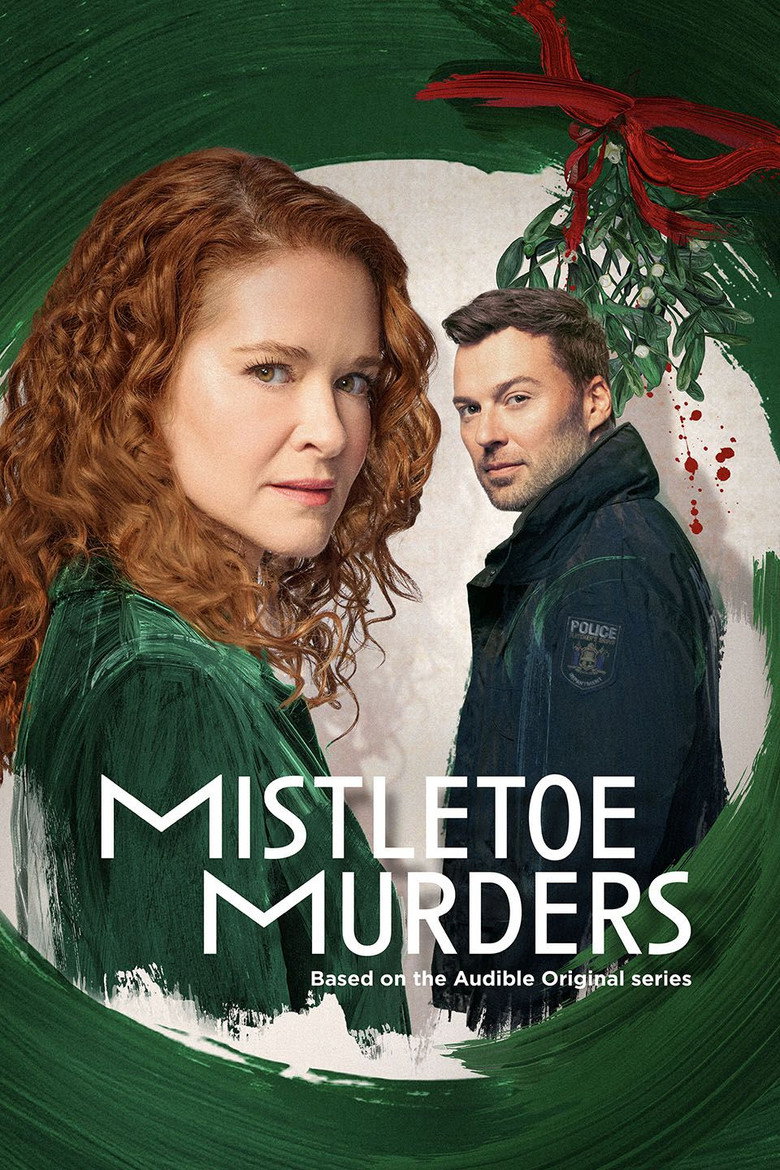
A cozy murder, which is a contradiction. The town and the work are real. The corpses are the hobby.
Sarah Drew plays a woman who already knows how to run a shop and has to learn, again, how to tell the truth about a body. Sam Wilner is the detective who would like the town to stay simple. The show is Hallmark's idea of a murder: the lights stay up, the blood stays off the lens, and the pleasure is guessing.
Fine for a thirteen-year-old beside you. Say out loud that a dead neighbor is not a game you play because the street looks like a card. One episode will tell you if your house likes the puzzle or the corpse.
Industry
7/10
A shop that stays open, a detective who treats the case as a job.
Household
6/10
A small town of neighbors. The romance is adult and slow.
Piety
4/10
Christmas is the wallpaper. Conscience shows up as who gets buried.
Courage
6/10
She walks toward the thing the town would rather call an accident.
Republic
6/10
The unit is a town, not a brand.
Temperance
7/10
TV-PG. The fright is a puzzle, not a feast.
Truth
7/10
Someone is dead and the show wants the true name of it.
Stewardship
5/10
A shop is a thing you hand on. A murder-as-pastime is not.
Live historicallyAsk, after the reveal, who in the town told the truth before it was safe.
Losing, a parent, a teammate, and the truth that they are not living the same week. Keep it.
Pixar aims this at a softball team and refuses the single-hero cut. One episode is the pitcher. Another is a parent who is embarrassed and trying. Another is a kid who is not the star and knows it. The game matters, and it is not the only stake. A championship is a good excuse to show that a household and a bench are full of private weather.
Watch it with a child old enough to have lost something in public. The useful line is not 'winning is everything' and not 'winning is nothing.' It is that the people in the bleachers are having a week too, and someone should ask them.
Industry
7/10
Practice, a position, a job done badly and then better.
Household
8/10
Parents are in the story as people with a stake, not as the joke.
Piety
4/10
No creed. A real fear of being seen to fail.
Courage
7/10
They walk back onto the field after a bad inning.
Republic
7/10
A team is a small commons. The series remembers the bench.
Temperance
7/10
Anxiety and showing off are named as the things that throw the game.
Truth
8/10
The same week, told again, was not the week you thought you saw.
Stewardship
7/10
What gets handed on is how a person behaves after the loss.
Live historicallyAsk one child, and then one adult, what they thought the hard part of the week was. Do not correct the first answer.
The old moral world. Uneven as a show, sound as a compass: do not serve the devouring thing.
Tolkien's world was built by a man who believed courage, pity, and stewardship were facts, not aesthetics. This series is an expensive, uneven attempt to stand in that world before the Ring. Judge the attempt by its compass, not by the discourse around the budget.
The compass is right. Evil devours. Craft can be turned. Power offered as a gift is the oldest trap in the book, and the book is older than television. You do not need every episode. You need the standard it assumes: a thing can be worth losing your life for, and a shortcut that saves you by enslaving your children is not a shortcut.
Industry
6/10
Craft, forging, and the labor of holding a kingdom together.
Household
5/10
Friendship and oaths more than nurseries. The bonds are still vows.
Piety
7/10
A real evil, not a misunderstood brand. Light is allowed to be good.
Courage
8/10
People stand where they could have sailed away.
Republic
6/10
Kingdoms, duty, the temptation to take a shortcut with power.
Temperance
7/10
Splendor is in the service of the story, not of appetite.
Truth
7/10
Corruption begins as a lie about a gift.
Stewardship
8/10
The whole age is about what you refuse to hand to the dark.
Live historicallyRefuse one convenient shortcut this week that would push the cost onto someone who is not in the room.
A school, a people, and the argument over whether to trust the republic. Worth the evening.
Under the capes it is a story about a school that takes in the kids the town will not, and about adults who disagree on whether the country can still be argued with. That disagreement is the grown part. A people can be wrong about you and still be the people you owe a word to. Walking away is sometimes wisdom and sometimes pride.
Watch it with that argument in mind, not the nostalgia. The standard is a house that will raise the child who showed up, and a citizen who will not become the mob he hates. When the show is doing that, it is doing the work.
Industry
6/10
Teaching is the work. The fights keep interrupting the classroom.
Household
6/10
The mansion is a household of the abandoned. It functions, barely, as a home.
Piety
4/10
Hope is the piety. It is earnest and it is not aimed past the team.
Courage
8/10
They stand in front of people who cannot fight. That still counts.
Republic
7/10
The argument is citizenship: plead with the country, or leave it. Both sides are serious.
Temperance
5/10
Revenge is available and sometimes catechized. The better episodes refuse it.
Truth
6/10
Leaders lie to the young to keep them calm. The lie comes due.
Stewardship
8/10
A school is an act of posterity. The show remembers that between explosions.
Live historicallyTake the side of a person in the room who is being talked over. Do it once, in the room, not afterward.
A price, a brother, and a state with a basement. The one to hand a serious teenager.
Edward and Alphonse want their bodies back, which is a household errand, and the story is honest that they are paying for a pride that tried to outrun death. The military they serve is competent and guilty. Teacher, friends, and a country of ordinary people are not extras. Equivalent exchange is a moral sentence, not a power system, and the show knows when the sentence indicts the hero.
This is the Crunchyroll title to choose on purpose. It is violent, and the violence is the cost, not the candy. A teenager can watch it with you. At the end, the question is whether a gifted boy will tell the truth about what his country did, including the part he was willing to ignore to get his brother back.
Industry
8/10
Alchemy is a discipline with a law. Breaking the law has a price that sticks.
Household
9/10
The brothers are the household. Everyone they love is pulled into the repair.
Piety
6/10
The taboo is a real taboo. They are not congratulated for crossing it.
Courage
8/10
They keep going after the cost is visible.
Republic
8/10
A state, a military, a people. The plot is a political crime, not only a quest.
Temperance
6/10
Power is tempting and billed. The bill is the point.
Truth
9/10
The country's official story is a mass grave. The brothers have to say so.
Stewardship
8/10
What they owe is the truth and each other, and neither cancels the debt.
Live historicallyTell a teenager the rule this show actually believes: to obtain, something of equal value must be lost. Ask what they are paying with.