






























































































Tonight
Ten for the evening
One to ten. Newest, most watched, highest on the Living Meter. Prime, Disney+, Hulu, Hallmark, Acorn, and Netflix.
A sermon against the grudge, wearing a joke. Rage is a bad hobby.
Two people who are losing at life find each other in a parking lot and decide the stranger is the reason. The show is funny until it is awful, and the awful is the point. A grudge feels like dignity. It is usually just a way to avoid the apology, the debt, or the marriage you do not want to look at.
You do not need their crimes. You need the recognition. Most of us are one bad afternoon from promoting a stranger into the villain of our year. The standard calls that a failure of temperance and of truth. Put it down. The person you are actually quarreling with is often already in your house.
Industry
6/10
Contractors, small business, the stress of money. Work is not abstract.
Household
5/10
Both leads have people at home. The feud is how they betray them.
Piety
4/10
A church basement shows up. So does the pride that will not sit in it.
Courage
4/10
They are brave only about the wrong fight.
Republic
4/10
Neighbors become enemies over nothing, which is how towns die.
Temperance
2/10
Anger is the meal. They go back for seconds on purpose.
Truth
6/10
The series is honest that both of them are lying to themselves.
Stewardship
3/10
What they are building together is a ruin.
Live historicallyDrop one grudge that has become a personality. Send the plain note, or stop telling the story.
A man and a dog, and a plot that is meaner than that bond. Ordinary.
The part that works is specific: a handler who treats the dog as a partner with a job, not as a mascot. That is industry and stewardship of a small kind. Around it is a crime plot of the sort Tubi has a hundred of, with a villain and a twist and nothing you will remember about a town.
Watch it for the dog if someone in the house loves dogs. Do not watch five more like it. The shelf is built so that one competent afternoon becomes a weekend of the same afternoon.
Industry
6/10
Handling a working dog is a skill. The film respects that part.
Household
3/10
A partner, not a household. People are thinner than the dog.
Piety
2/10
No creed. Loyalty to the animal is the nearest thing.
Courage
6/10
He goes back into a case that has already cost him.
Republic
3/10
Cops and a conspiracy. The city is a backdrop.
Temperance
5/10
The violence is the genre. It is not the teacher.
Truth
5/10
The case has a buried fact. The film is more interested in the chase.
Stewardship
4/10
The dog is a responsibility. The plot sometimes forgets.
Live historicallyIf you keep an animal, do the work of the animal before you sit down tonight.
People try to keep a street alive. The show is in love with the thing that eats them.
A road that will not let you leave is an old fear, and a town that still sets a watch is an old duty. From keeps both, then spends most of its hours on the creature at the window. The people are frightened in a way that feels like a life. The series enjoys that fright more than it enjoys them.
Not for children, and not a close call. If you are grown and you watch one hour, watch for who still sets a table after a death. Leave when the only reason to press play is to see the next awful thing at the glass.
Industry
5/10
Someone still has to feed the street and board the windows. The work is real and never enough.
Household
5/10
Families are trapped together. The home is a barricade, not a life.
Piety
3/10
Dread is the religion. Conscience flickers and loses to the next night.
Courage
6/10
A few people go out after dark for someone else. That is the only courage in it.
Republic
5/10
A town with rules, because without them the dark wins before sundown.
Temperance
2/10
The scare is the meal. It is seasoned and served again.
Truth
4/10
The mystery is a promise the show is in no hurry to keep.
Stewardship
4/10
What they are trying to save is the next morning. The show is not sure the morning is worth it.
Live historicallyCheck the lock you actually use, then eat with the people in the house. Do not rent a nightmare to feel awake.
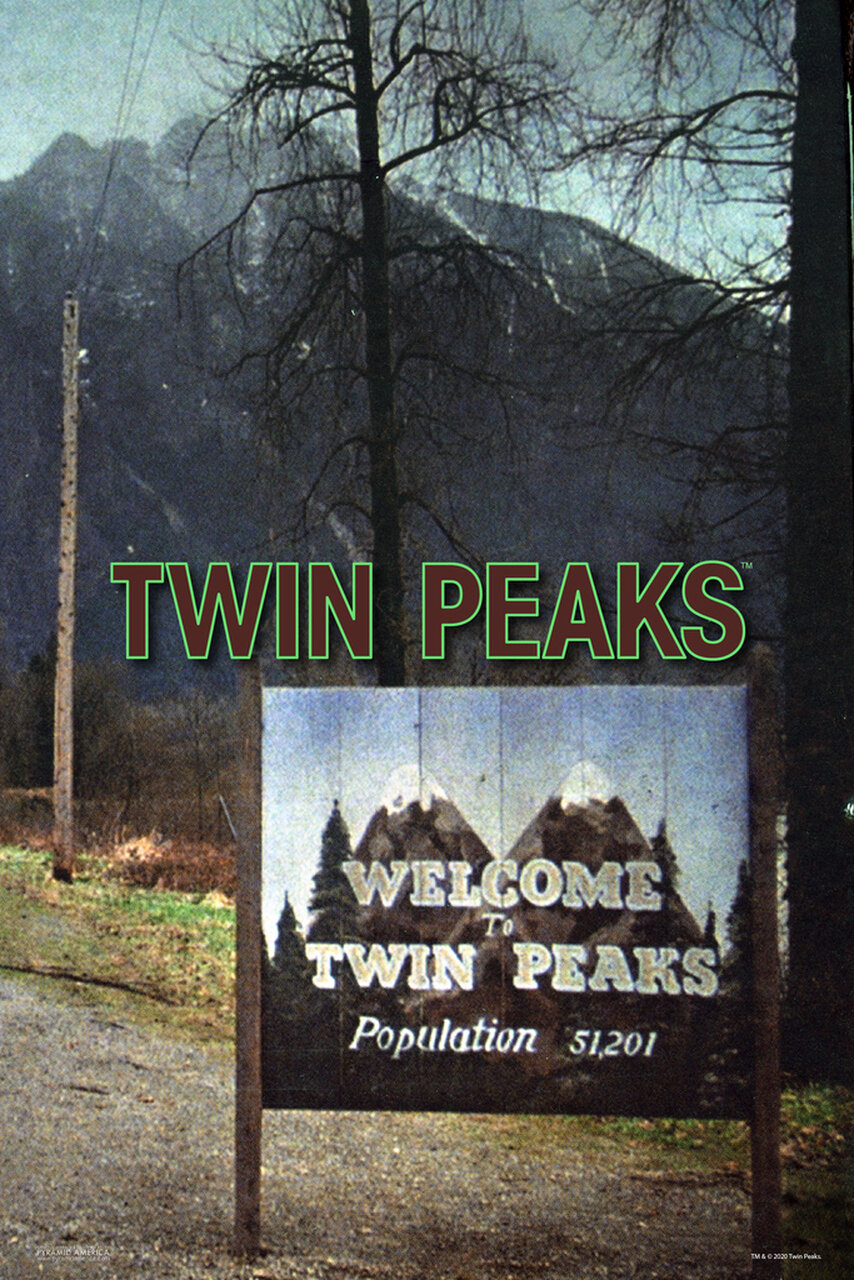
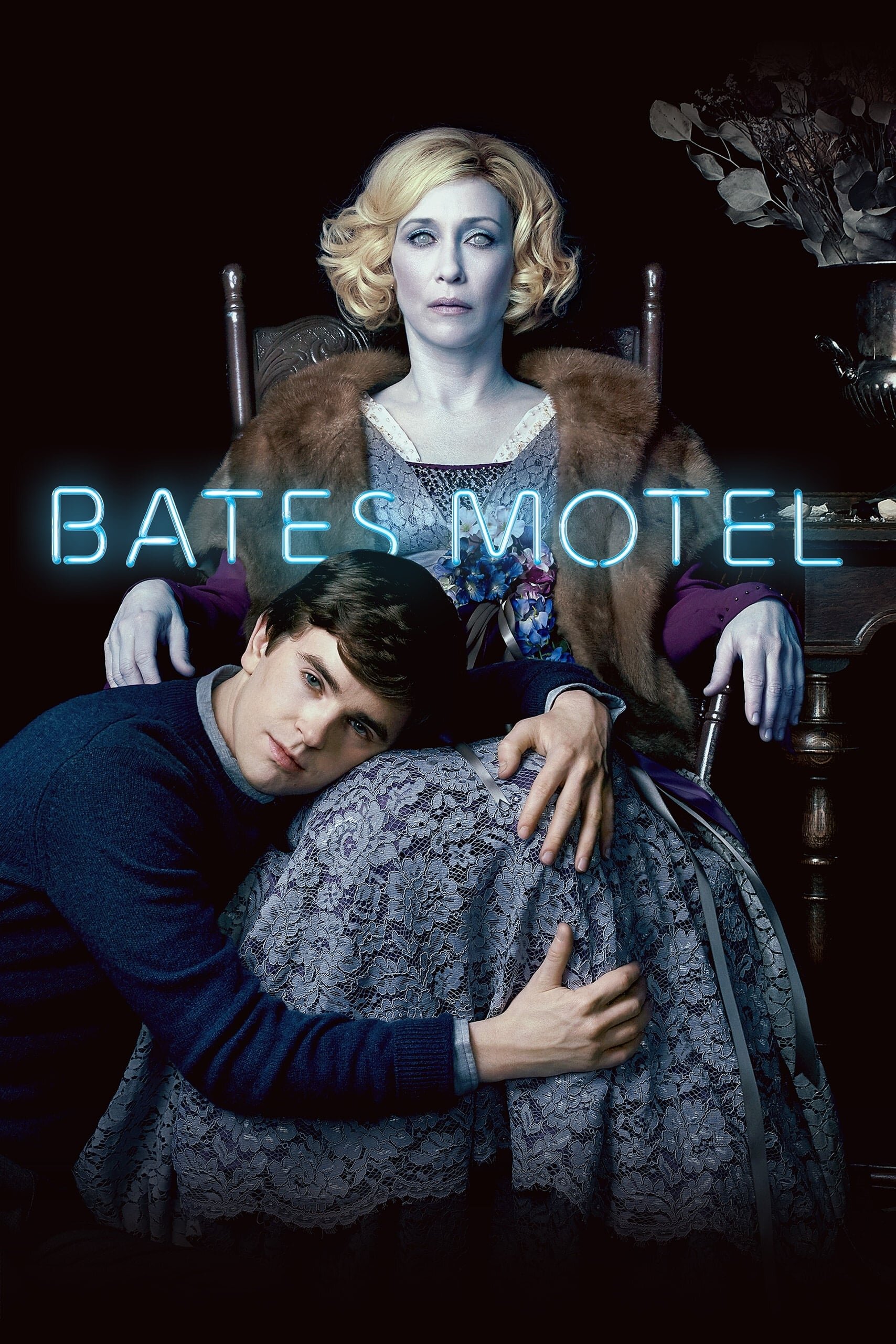
Two lonely adults, a suspicion, and a show that likes the suspicion more than the truth.
A writer who cannot write meets a man the public has already decided is a monster, and the series asks whether proximity is research or a second way to disappear. The performances can hold a silence. The plot would rather end the silence with a twist than with a moral.
Grown viewers only. One or two episodes will tell you if you are watching a person tell the truth or a machine delaying it. Leave at the first twist that exists only to keep you.
Industry
6/10
Writing is treated as labor she can no longer do. His work is power, and it is dirty.
Household
3/10
Grief has emptied her house. His house is a display.
Piety
3/10
Conscience is a tactic. Each of them uses the other's wound.
Courage
5/10
She keeps asking after a man who could hurt her. Curiosity is not quite courage.
Republic
4/10
Reputation and money bend the town. A neighbor is not yet a duty.
Temperance
3/10
Obsession is the romance.
Truth
6/10
The question of who killed whom is the only grown question in it.
Stewardship
3/10
Nothing they are building is meant to be left standing for a child.
Live historicallyFinish a piece of work you have been calling research.
Tailoring, drugs, and murder as wit. The clothes are doing all the moral work.
Guy Ritchie's trick is to put a drug war in good tailoring and trust you to confuse the tailoring with class. Season two was still on the chart because the trick works. It is fun the way a con is fun, right up until you notice you are rooting for the con.
An estate used to mean stewardship: soil, tenants, a name that had to last. Here the estate is a laundering operation with better glassware. If you want a picture of nerve and competence, there are better ones that do not ask you to find a dealer chic. Watch a match of it if you must. Do not let the waistcoat convince you the man inside it is a gentleman.
Industry
4/10
There is a business. The business is poisoning people for profit.
Household
3/10
An estate, yes. A household that deserves a child, no.
Piety
1/10
Nothing is sacred but style.
Courage
5/10
Men take risks. The risks are in service of a vice.
Republic
2/10
Law is a joke the clever people are in on.
Temperance
1/10
Intemperance is the product and the personality.
Truth
3/10
Everyone is lying, and the show finds that charming.
Stewardship
2/10
The land is a set for a crime, not a trust.
Live historicallyWear something well this week and pair it with one honest piece of work. Style without duty is a costume.
A record of what a house held onto. The price is the least of it.
The gasp at the number is the televised part. The useful part is the sentence before the number: where it came from, who used it, why it was not thrown away. A spoon, a painting, a chair that survived a particular decade. The show is a national attic, and an attic is a form of stewardship even when the taste is mixed.
Watch it the way you would visit an older relative. Do not watch it as a hunt for money in the basement. The moment the price becomes the only fact, you have missed the object.
Industry
5/10
Appraisal is a skill. The family's work was the keeping.
Household
6/10
The objects are from households. The stories are inheritance.
Piety
3/10
No creed. A respect for the dead who bought the thing.
Courage
3/10
Little danger. The courage is bringing the family junk into public.
Republic
4/10
A civic tent. Not a town, but a people looking at its own attic.
Temperance
6/10
Greed flickers when the number is high. The show usually returns to the story.
Truth
8/10
Provenance is the truth the object needs.
Stewardship
9/10
The whole hour is about what was handed on, and whether anyone knows why.
Live historicallyPick one object in your house and write down who had it before you.
A mind at war with itself. Interesting, and too in love with the fracture.
It takes a confused, gentle man seriously, which is more than a lot of these shows manage. Then it keeps handing the camera to the violent tenant in his head, because the violent tenant is easier to film. You can feel the tug. Illness is not a superpower, and the show only sometimes remembers that.
If you watch it, watch the hours where he tells the truth about what he did and what was done to him. Skip the part where a god's costume is asked to solve a conscience. It will not.
Industry
5/10
One of him works in a shop. Another kills for a fee. The show likes the second more.
Household
4/10
A wife is part of the story and mostly a key to his damage.
Piety
5/10
Gods are real here and mostly petty. Conscience still has to choose.
Courage
6/10
He goes back into the dark for other people, not only for the spectacle.
Republic
3/10
Institutions are cults. Almost nobody owes a neighbor who is not in the myth.
Temperance
3/10
Violence is the relief valve. The illness is treated more carefully than the fists.
Truth
6/10
The better hours are a man trying to tell one true account of his life.
Stewardship
4/10
Little is left standing that a child could inherit except the warning.
Live historicallyTell one hard true thing about yourself to a person who is allowed to answer, not to an audience.
Land, animals, and a family that stays. Longer than it needs to be, and aimed the right way.
Amy's gift with horses is a picture of attention, which is a moral skill: you watch the animal until you understand what it is afraid of. The family is bruised and does not dissolve. There are many seasons. You may not need them. You do need, once, a show where the work of a place and the repair of a family are the same hour.
Industry
8/10
The ranch work is the show. Horses, bills, seasons.
Household
8/10
Grandfather, sisters, a father. The household is the plot.
Piety
4/10
Grief and forgiveness, in a practical key.
Courage
5/10
They keep the ranch when selling would be easier.
Republic
5/10
A valley, a neighbor, a school.
Temperance
6/10
Gentle to a fault, and the fault is only length.
Truth
6/10
It believes care is a skill, not a mood.
Stewardship
7/10
Stewardship of animals and of a place is the literal story.
Live historicallyGive something in your care your full attention for one hour. A child, an animal, a tool.
Ohana is the thesis and the show keeps it. Noisy, and on the side of the house.
Lilo is odd, loyal, and a handful. Nani is raising her and is tired, which the show does not treat as a punchline only. Stitch is a weapon learning to be a pet and a brother. The experiment-of-the-week is a formula. Under it is a small household that keeps choosing itself against social workers, tourists, and creatures built to destroy.
Good for a child who can handle slapstick. The line to keep is Nani's: nobody gets left behind or forgotten. The line to refuse is that every problem can be punched into a net and stored.
Industry
5/10
Nani works. Lilo's job is school and the hunt. The work is uneven and real.
Household
9/10
Sisters. The whole series is a custody of each other.
Piety
4/10
Hawaiian setting treated with some care. The creed is the family vow.
Courage
6/10
They go after things that can hurt the neighbors.
Republic
5/10
An island town. They are known, which cuts both ways.
Temperance
5/10
Stitch's appetite is the problem he is being taught to hold.
Truth
7/10
A family that was not supposed to survive is the true thing.
Stewardship
8/10
What they are saving, week to week, is the right to stay a house.
Live historicallyDecide, out loud, who in the family is not optional. Then act like it once this week.
Keep it. What a man should be is said out loud, and then tested by whether they keep the boy.
Hub and Garth are ridiculous, wealthy, and, in the story they tell, faithful to a harder life than the suburb wants to hear. The film lets the tale stay a little unverified, because the boy needs the standard more than he needs the paperwork. The standard is plain: men do not lie, steal, or cheat, and they do not tolerate those who do. Some of the adventure is boys'-book stuff. The porch is the true set. A child left by a careless mother is not a comedy premise, and the film, to its credit, does not find her charming.
Watch it with a boy who is deciding what kind of man the loud world is offering. Then be dull and reliable on the porch you actually have.
Industry
6/10
Old men who still know how to work and fight.
Household
8/10
Uncles who accept a charge they did not ask for.
Piety
4/10
A code, said plainly.
Courage
7/10
They keep him.
Republic
4/10
A private ethic more than a public one.
Temperance
6/10
The code limits them.
Truth
6/10
The story may be tall. The care is not.
Stewardship
8/10
The speech is the part to memorize, if you mean to live it.
Live historicallyTell a boy the standard, and then let him watch you keep it when it costs.