



































































































Tonight
Ten for the evening
One to ten. Newest, most watched, highest on the Living Meter. Prime, Disney+, Hulu, Hallmark, Acorn, and Netflix.
Faith taken seriously, including the way it curdles. One of the few that earns the argument.
A priest arrives on a dwindling island and the miracles start. People who have needed hope for a long time recognize the feeling and stop asking what the miracle eats. That is not a mockery of belief. It is a warning to believers, which is more useful.
You do not have to share the parish's creed to see the standard at work. A community, a scripture, a man in recovery trying to be honest, and a hunger dressed up as grace. The show is patient, talky, and finally severe. Sit with it if you can stand a sermon that knows how a sermon goes wrong. Then examine the appetites you have been calling blessings.
Industry
6/10
An island of working people. The jobs are humble and visible.
Household
7/10
Neighbors, parents, a parish that knows everyone's name.
Piety
8/10
Conscience, scripture, and fanaticism are the actual plot.
Courage
8/10
Several people tell a costly truth when the miracle gets hungry.
Republic
7/10
A town is a moral unit here. What the parish does, the town becomes.
Temperance
6/10
Alcohol, appetite, and zeal are shown with a bill attached.
Truth
9/10
The whole tragedy is a lie believed because people wanted it.
Stewardship
7/10
The island is loved. The question is who it is being saved for.
Live historicallyKeep one evening this week clear of noise. Read a page of something older than you are, and do not post about it.
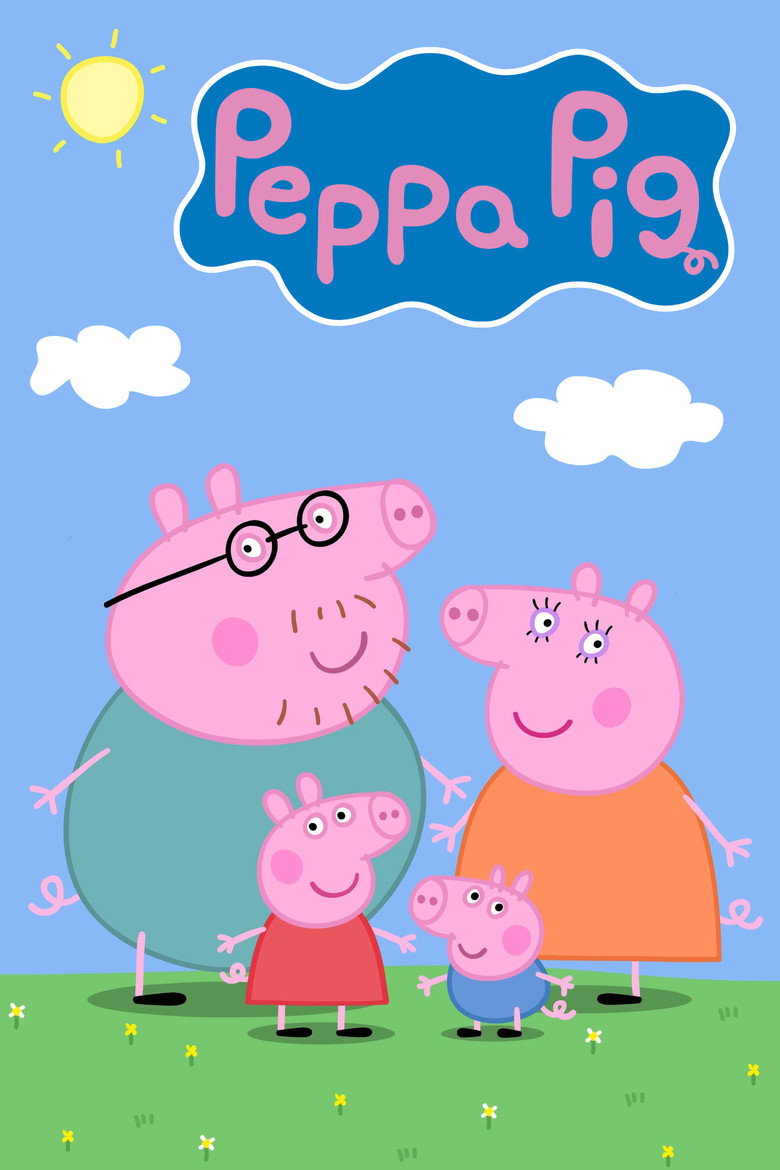
A household, shown at the size of an afternoon. Keep it in the house.
It is a children's cartoon and it is more serious about a family than most adult television. A father plays until he is tired and then plays a little more. A mother has a job and a temper and a repair. The children are allowed to be children, which means they are not asked to carry the emotional labor of the house.
Watch it with the people you are raising, or watch one episode and notice what you rush. The standard is not the jokes. It is a mother and a father who are still a pair, and a house where someone comes back into the room.
Industry
8/10
Parents have jobs. Play is the rest, not a substitute for work.
Household
10/10
Marriage, sisters, a father who stays in the game. The home is the whole plot.
Piety
6/10
Reverence is quiet. Gratitude and apology are practiced, not preached.
Courage
6/10
The brave thing is usually a parent admitting he was short, or a child trying again.
Republic
7/10
Neighbors, cousins, a school. Other people are not obstacles.
Temperance
8/10
Feelings are named and then put back in proportion. Nobody is trained to spiral.
Truth
8/10
They tell the truth to children without making the truth a weapon.
Stewardship
9/10
The games are how a craft of being a person gets handed down.
Live historicallyPlay one game the child invents, all the way to the end, without a phone in the room.
A ranch, a widow, and work with a name on it. A good evening for a family that still has a chore list.
Isabel McMurray is not looking for a festival and a kiss as the meaning of the hour. She is trying not to lose the ranch her husband left, and not to lose the children on the way. That is a story an American house around 1800 would have recognized before it recognized most of what is on television now: land, labor, a widow's authority, sons who have to grow into the work.
It is still Hallmark, so expect a clean face and a reconciliation on schedule. Take the reconciliation if it is earned by somebody telling the truth about money and about the dead. Skip the hour that forgets the horses and goes shopping for a mood.
Industry
8/10
Horses, debt, a ranch that fails if nobody gets up. Industry is the plot.
Household
8/10
A mother holding a house of grown children who do not yet agree.
Piety
5/10
The land is revered. The soul is mostly implied.
Courage
7/10
She risks the family name to keep the ground.
Republic
8/10
A ranch is a small republic: roles, arguments, and a duty to the place.
Temperance
7/10
Pride is the vice on display, and it costs them.
Truth
7/10
Grief that is not spoken starts to run the business. The show knows this.
Stewardship
8/10
The question is what the next McMurray will be able to stand on.
Live historicallyGive a younger person in your house one real job this week that the place needs, and stay while they learn it.
A family, a trade, and a gift that does not cancel the boat. Keep it.
Ruby interprets the world for a family that is competent on the water and lost at the town meeting. The film refuses the easy villain. The parents are not obstacles because they are deaf. They are parents who need her, and she is a daughter who needs a teacher. Both needs are real, and the story does not pick a speech over the other.
The audition is the crisis. The better scene is the one where they have to sell the fish without her. A house can watch this together. It is about staying related while someone leaves the room to do the thing they are for.
Industry
8/10
Fishing is the family's living. Music is work too, with a teacher and a standard.
Household
9/10
The whole film is a household trying not to lose a daughter or use her up.
Piety
4/10
No creed. A real reverence for the people in the kitchen.
Courage
7/10
She sings in front of strangers. They go to a hearing they are afraid of.
Republic
6/10
A town dock, a quota, a family that has to deal with the hearing world as citizens.
Temperance
8/10
Desire is for a craft, not an appetite.
Truth
8/10
They have to say the hard thing in a language, and in a silence.
Stewardship
8/10
What is handed on is the boat and the permission to leave it.
Live historicallyLearn one practical thing the person next to you needs, in the form they need it.
The rare adventure that treats a republic as work. Stay for the cost.
Most space opera wants a chosen man and a glow. This one wants a payroll, a prison shift, and a speech that gets the speaker killed. That is closer to how a free country is actually kept. The work is unglamorous and the courage has a bill. You can feel the difference.
It is thin on the household, and it knows the rebellion can become its own hard church. Watch it for the people who do the job without becoming the poster. Then ask what unglamorous post you are avoiding while you wait to feel heroic.
Industry
8/10
Prison labor, a heist, a machine shop. Freedom is shown as something you build.
Household
4/10
Homes are left behind. The loyalty is to a cell, not a table.
Piety
4/10
No creed but the cause. A few characters still act as if a soul is real.
Courage
9/10
People risk a name and then a life, and the show does not wink it away.
Republic
9/10
Oppression is specific. So is the duty of the people who refuse it.
Temperance
6/10
Fear and drink are present. They are not the lesson.
Truth
8/10
Speeches have to be paid for. A lie to the Empire is not a lie to your own.
Stewardship
8/10
The point is a future the speaker will not live to see.
Live historicallyDo one piece of local, unpaid work this week that a neighbor will still be using when you are not in the room.
A newsroom as a job again. The jokes can wait. The edition cannot.
The Office taught a generation to laugh at a workplace. This one, from the same hands, asks whether a small paper is still a civic instrument or only a set. The people are ordinary. The stake is whether anyone will print what the meeting actually did.
Watch it if you miss a town that had a record of itself. Leave it if it becomes only a reunion of old jokes. A paper is a promise that the facts will still be there on Thursday.
Industry
8/10
Reporting is a shift. A story has to be finished to exist.
Household
4/10
The office is the household. Home is offscreen.
Piety
3/10
The sacred thing, if any, is the edition.
Courage
6/10
Printing an uncomfortable fact is the brave act.
Republic
8/10
A town that loses its paper loses the minutes of its own life.
Temperance
6/10
The comedy is the people, not a rot they are selling.
Truth
9/10
The whole point is to get the fact right enough to publish.
Stewardship
7/10
What is handed on is a record the next year can check.
Live historicallyRead one local story this week that is not about a celebrity, and tell someone what it said.
The standard, filmed. Work, a house, prayer, a town, and something left in the ground for the people after them.
This is the nearest thing on the modern shelf to the household the meter is measuring. Charles works. Caroline keeps the inside of the world in order. The girls are taught, corrected, and loved without being asked to raise their parents. The town is small enough that a cruelty is everybody's business. Some later episodes chase a disaster because television gets hungry. The early years do not need the disaster. A crop, a schoolhouse, and a Sunday will do.
Put it on. Start at the beginning. Let the youngest stay for the ones about a harvest and a hymn, and be in the room when an episode turns hard. Then go outside and do one chore the house will still be using in the morning.
Industry
10/10
Plowing, hunting, teaching, milling. The day is made of jobs a house can eat.
Household
10/10
The Ingalls table is the government of the story. Children are the point of the labor, not the audience for it.
Piety
9/10
Grace at the table, church, and a conscience that can overrule a mood. It is the family's air.
Courage
9/10
Charles walks into weather, debt, and other people's trouble because the alternative is not being a man.
Republic
8/10
Walnut Grove argues, votes, fails, and still has to live together the next morning.
Temperance
9/10
Want is real. Waste is a sin they can feel. Feasts are rare and therefore serious.
Truth
8/10
The hardest episodes are about a lie or a pride that has to be walked back in public.
Stewardship
10/10
A claim, a school, a name. They are planting what they will not all live to sit under.
Live historicallyGive a child a real job this week that the household will notice if it is left undone.
A child is wanted, taught, and allowed to become more than useful. Keep this one.
This is the Montgomery story told with more bruise than the old television version, and the bruise is mostly honest. Anne has been used by adults before Green Gables. The series does not skip that in order to keep her quaint. What it keeps, and what matters, is a house that decides she belongs in it, a school that is worth fighting to enter, and a girl whose imagination is aimed at a life and not only at a feeling.
The later episodes push harder on the cruelties of the period than a small child needs. Start with the first season, with the family in the room. Ask them why Marilla, who did not want a girl, becomes the person Anne cannot do without.
Industry
7/10
A farm still has to be worked. Imagination is not a substitute for the chores, and the show knows it.
Household
9/10
Matthew and Marilla choose a girl the world had already filed as inconvenient.
Piety
6/10
Prayer and Sunday are ordinary. Doubt is allowed without making faith the villain.
Courage
8/10
Anne defends the smaller child and tells the truth when it will cost her the room.
Republic
7/10
Avonlea is a town with a school, a busybody, and a standard it sometimes fails.
Temperance
8/10
Temper is her fault, and the story does not call the fault a gift.
Truth
8/10
She embellishes, and she is corrected. The correction is love.
Stewardship
9/10
An education, a name, and a place are being made for someone who arrived with nothing.
Live historicallyLearn the name of one child in your town who is being raised by someone who did not have to take her.
Keep it. Silence, law, and a conscience that will not be managed.
More is not a fanatic in search of a stake. He is a lawyer who uses every honest silence the law allows, because he wants to live and stay with his family. The film honors that wish. Then the oath asks for his mind, not only his quiet, and he will not give it. Cromwell is the modern man: results, irritation at a scruple, a smile. Alice and Margaret are the cost. A conscience that forgets it has a household is not yet More's.
Older teens and adults. It is talk, and the talk is the action. If a room you are in is demanding statements, this is the film.
Industry
7/10
Law used with precision.
Household
8/10
He loves his house and still will not buy it with a lie.
Piety
10/10
Faith is the center, and it is not a mood.
Courage
10/10
The refusal.
Republic
9/10
A state that wants the inner yes.
Temperance
8/10
He avoids drama as long as honesty allows.
Truth
10/10
He will not say the false sentence.
Stewardship
9/10
It hands you your signature as a serious object.
Live historicallyDo not sign the thing you do not believe, even if your refusal looks like pride.
A parent, a neighborhood, and a tool a child can actually use. Keep it for the young.
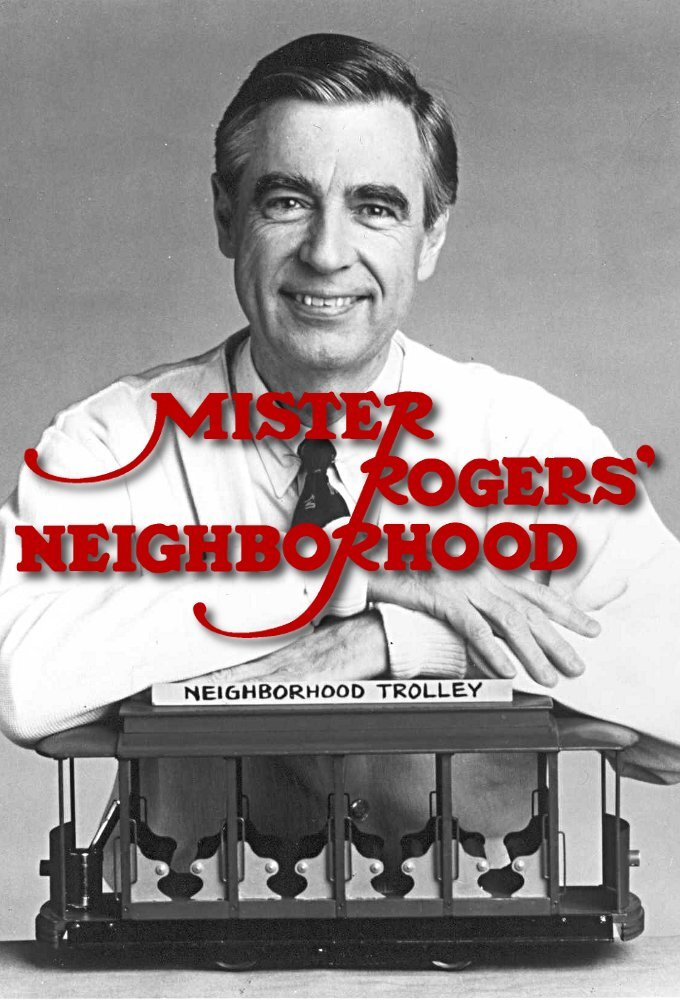
Daniel's house has a mother and a father who are still in charge, a clock, and a neighborhood of adults with jobs. The songs are instructions, not vibes: try a new food, wait, use your words, go potty. A preschooler can carry the instruction out of the room, which is the test this shelf usually fails.
It is not for anyone over six, and it is not trying to be. Put it on for the child it is for. Do not sneer at the sweater. The sweater is a civic document for people who cannot read yet.
Industry
6/10
Adults have jobs. The child has the work of learning a skill.
Household
10/10
The family is intact, affectionate, and in charge.
Piety
4/10
Kindness is practiced as a rule. A creed is not named.
Courage
5/10
Trying the hard thing at child scale is the courage.
Republic
8/10
A neighborhood where the adults know the child by name.
Temperance
9/10
Feelings are acknowledged and then given a limit.
Truth
8/10
The songs say the true next step, not a flattery.
Stewardship
8/10
It hands a child a sentence they can use tomorrow.
Live historicallyWhen a small child is overwhelmed, use one of the songs, then do the thing the song says.