






























































































Tonight
Ten for the evening
One to ten. Newest, most watched, highest on the Living Meter. Prime, Disney+, Hulu, Hallmark, Acorn, and Netflix.
A place that still needs a nurse. The romance is the advertisement. The work is better.
Melinda Monroe comes to Virgin River to disappear into a job and finds that a small place will not let a competent woman stay a stranger. That is a good story when the camera stays on the birth, the veteran, the girl who needs a doctor. It thins out when every adult must also be somebody's unfinished romance.
Fine for a grown evening if you are willing to forgive the twists. Not a family hour. Keep the episodes where someone is healed by work. Leave the ones that are only a revelation in a doorway.
Industry
7/10
She delivers babies and keeps a clinic that would close without her.
Household
7/10
People are trying to make a house after loss. The affairs are the tax.
Piety
4/10
Care is the reverence. Church is scenery if it appears at all.
Courage
6/10
She stays in a town that did not ask politely.
Republic
7/10
The unit is a main street: a bar, a clinic, a mayor, a doctor who is tired.
Temperance
5/10
Melodrama is the portion size. It is more than a tired person needs.
Truth
6/10
Secrets drive the plot, and the show is usually on the side of telling them.
Stewardship
7/10
A clinic and a child are what the town is trying not to lose.
Live historicallyThank a person in your town who does a job the town would notice if it stopped.
A sister's love against a city's split. The invention is not progress just because it shines. Older teens.
Vi and Powder love each other in a way the plot keeps punishing, because a city arranged like this one punishes that kind of loyalty. Jayce thinks he is building a public good. Viktor thinks he is curing a body. Both of them are also building a power that will not stay in the hands of the careful. The show is among the few adventure series of the decade that thinks a political economy is part of a character.
Older teenagers, not children. The beauty will sell it to them anyway. Watch far enough to say the sentence out loud: a tool that widens the distance between the top of a city and the bottom is not neutral, and a sister is not a cause you get to spend.
Industry
7/10
Hextech is a craft, and the show is serious about what a tool does when it leaves the lab.
Household
6/10
Sisters, a father in all but blood, a crime family. The bonds are the engine and the casualty.
Piety
3/10
No creed. Piltover believes in the future the way some people believe in a god, and the belief has a bill.
Courage
7/10
People go back into the lanes for someone they will not abandon.
Republic
7/10
A city of two classes, a council, a police. The public is not a backdrop.
Temperance
4/10
The violence is stylized and frequent. It is not empty, and it is still a lot of beauty spent on a blow.
Truth
7/10
Progress is the lie the top of the city tells. The undercity has the evidence.
Stewardship
5/10
What might be handed down is a city's chance to stop worshiping the weapon. The story is honest that they may not.
Live historicallyLook at one machine this house loves and ask who lives farther from its benefits than you do.
Truth against a private archive can be a duty. Wonder is not yet a faith. Adults.
Margaret and Daniel, in the account the film is sold on, are not adventurers. They are a person who speaks on the news and a person who walked out of a contractor with the files. The obstacle is a company whose job is to keep the archive shut. That shape is familiar and often just: a secret kept to own people is not a protection. The desk will not preach the film's cosmology. Other minds, if they are real, are not a church.
Watch it as a story about disclosure, then do not outsource your metaphysics to a climax. The human question is older. Who may know, who is hiding the file, and what a public is for. Answer that in the room you actually live in.
Industry
6/10
Whistleblowing is work. So is a daily forecast.
Household
4/10
Private lives bent around a secret.
Piety
4/10
Awe is the bait. Do not let it become a cult.
Courage
7/10
They risk the comfortable silence.
Republic
7/10
A public kept ignorant by a contractor.
Temperance
5/10
The reveal can become a spectacle.
Truth
7/10
The moral is that a kept archive rots.
Stewardship
5/10
Hand on the duty to tell. Do not hand on the poster of the eye.
Live historicallyIf you hold a fact the public has a right to, do not wait for a perfect audience.
A man who stays at his post. Conspiracy sauce on a real idea of duty.
Peter Sutherland sits by a phone nobody important wants, and when it rings he does not negotiate with his mood. That is a more American picture of courage than most superheroes manage: a post, a watch, a man who is still there. The conspiracy around him is the usual one. Someone high up has sold the thing he thinks he serves.
Take the duty and hold the cynicism loosely. A republic cannot survive if its only lesson is that every boss is a traitor, and it cannot survive if nobody is willing to keep a boring post. This show has both lessons in it. Prefer the second. The action is dessert.
Industry
7/10
He does an unglamorous job completely, which is the old idea of work.
Household
4/10
Loyalty to a partner appears. A household does not.
Piety
3/10
The creed is the job. That is not quite piety.
Courage
8/10
He keeps the watch, then he walks toward the fire.
Republic
6/10
Treason is the crime. Institutions are both necessary and compromised.
Temperance
6/10
The thrill is paced. It does not drool.
Truth
6/10
The story turns on who is lying to the republic.
Stewardship
5/10
He is protecting a future he will not personally inherit.
Live historicallyShow up early to one obligation you could have phoned in. Stay until it is actually finished.
Competence and a messy vow. The republic needs adults. It also needs homes.
A capable woman is sent to London and discovers that the job and the marriage are the same kind of problem: two people, a shared story, and a pile of incentives to lie. The show respects competence. That alone puts it above most political television, which respects only the own.
What it shrugs at is the household. A republic of talented, faithless adults will win briefings and lose the century. Enjoy the chess. Do not take the marriage as a model, and do not take cynicism as sophistication. The standard is older: can you keep a post and a promise in the same week? The show is interesting because its people mostly cannot.
Industry
8/10
The work of statecraft is taken seriously. People are good at hard jobs.
Household
4/10
The marriage is a second front. Duty to the post outruns duty to the vow.
Piety
3/10
Almost no one here believes in anything they would not put in a memo.
Courage
7/10
She walks into rooms that can start wars. That is courage of a kind.
Republic
7/10
Allies, law, and the burden of a powerful country are the subject.
Temperance
5/10
Ambition is the drink. It is not played as harmless.
Truth
5/10
Everyone manages the truth. The show knows that is dangerous.
Stewardship
5/10
The future at stake is public. The private future is an afterthought.
Live historicallyKeep one promise this week that nobody is grading — to your house, not to your job.
A craftsman talking through the work. The greatness is real. So is the self-regard.
The valuable hour is the one where he talks about a read, a protection, a mistake, and the next snap. That is industry at a rare altitude, and it is teachable in pieces even if the altitude is not. The less valuable hour is the one where the career is the proof of the man. A career is not a character.
A player can learn from the first kind of hour. A house should not learn its definition of a man from the second. Wins are a record. They are not a soul. Say that out loud if you put it on for a son.
Industry
10/10
Preparation is the subject, and it is specific enough to teach.
Household
3/10
Family appears as support. The season is the real house.
Piety
2/10
Winning is the liturgy.
Courage
7/10
Coming back from a bad half is a form of nerve. It is not every form.
Republic
4/10
A locker room. Not a town. The film does not pretend to be civic.
Temperance
5/10
Obsession is the method. The film calls it love of the game, which is half true.
Truth
6/10
He will admit a bad read. He is the narrator of the admission.
Stewardship
5/10
What he hands on is a way of watching a play. Take that, and leave the aura.
Live historicallyExplain one skill you have to a younger person, play by play, without the moral.
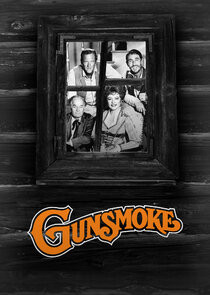
A marshal, a street, and a limit. The old one still knows what a town is.
Matt Dillon's job is not to be interesting. It is to stand in the street so that other people can be ordinary. Miss Kitty runs a business. Doc is a competence. The plots are moral problems with dust on them: a stranger, a lie, a man who thinks the town is a place he can take. The show usually decides he cannot.
It is of its time, including the parts that flatten the people who were already on the plains. Watch it for the structure, which current westerns have lost: a law, a limit, and a man who is bored of shooting. A child can watch the quieter episodes with you.
Industry
7/10
Marshalling is a daily job. The excitement is the failure of the daily.
Household
5/10
Rooms above a saloon, friendships that function as a household.
Piety
4/10
A grave is serious. A sermon is rare and not mocked when it comes.
Courage
7/10
He walks into the street so someone else does not have to.
Republic
8/10
Dodge is a town with rules. The marshal is there so the rules are not a suggestion.
Temperance
6/10
The saloon is a workplace. Drunkenness is not the hero.
Truth
7/10
A rumor is checked. A man's word is the currency.
Stewardship
7/10
The aim is a street the next season's children can walk.
Live historicallyWalk the main street of your own town and notice who keeps it livable.
A moral fable in modern dress. Luxury, then the invoice. Gory, and pointed the right way.
A dynasty that got rich hurting people watches its heirs die in the shape of their own appetites. Poe would have recognized the floor plan. So would any preacher who ever spoke about luxury. The show is graphic, and the graphicness is the risk: a fable can become a tasting menu of the sins it claims to hate.
Take the judgment and leave the leer. What it gets right is the old sequence — a fortune without a duty, children raised as brands, a word broken at the root, and no one left to inherit anything but the story. If that is useful in your house, one sitting will do. You do not need to savor it.
Industry
4/10
The family fortune is built on a public harm. That is not industry.
Household
3/10
Heirs, not a household. Blood here is a business unit.
Piety
6/10
Judgment is the structure. Every vice meets a consequence.
Courage
5/10
A few people tell the truth at cost. Most do not.
Republic
7/10
It is a picture of what happens when a republic can be bought.
Temperance
4/10
The vices are punished and also displayed at length. Both are true.
Truth
8/10
A deal with a lie is the family's foundation. The lie collects.
Stewardship
6/10
Posterity is the punchline: there will not be one.
Live historicallyLook at one luxury you fund without thinking. Cancel it or justify it out loud to someone you respect.
Keep it. A gun that refuses to be only a gun. Watch the last choice with the lights up.
Hogarth is lonely, funny, and sometimes a bad influence on a giant who copies him. The film is honest about that. The government man wants a threat because a threat makes him necessary. The giant's line, that he is not a gun, is earned by a death the story does not cheat. Souls, in this picture, are real enough to matter. You do not need the theology spelled further. You need the refusal.
Older children can bear it. Small ones may need a hand at the end. Give the hand, and do not skip the end to keep everyone cheerful. The cheer is on the other side of the choice.
Industry
5/10
A beatnik artist, a boy, a machine learning a limit.
Household
6/10
A single mother and a boy who needed someone large to care for.
Piety
6/10
A soul is the question, and it is not laughed off.
Courage
10/10
He stays up so the town can live.
Republic
7/10
A panic that would rather destroy than understand.
Temperance
7/10
Power refused.
Truth
8/10
You are what you choose, even if you were built otherwise.
Stewardship
9/10
The sentence to keep is the refusal.
Live historicallyTell a child they are not sentenced to the worst thing they can do.
Keep it. Vocation is not breed. Kindness gets the sheep to move.
Farmer Hoggett is a quiet man who bets his reputation on a pig. That bet is the film's courage, and it is not loud. Babe's method, asking rather than biting, is a picture of authority that does not need humiliation. The sheep are not props. The cat is a snob and the film knows it. There is a darkness under the charm, the way a farm is actually a place where animals die, and the story does not fully hide it.
A child can watch this and understand competence as a form of love. When Hoggett says the kind sentence to the pig, the room should be quiet. That sentence is worth more than a speech about believing in yourself.
Industry
9/10
The work of herding, practiced.
Household
7/10
An odd household that decides to keep him.
Piety
5/10
A farm reverence, almost biblical and never preachy.
Courage
7/10
He goes into the ring.
Republic
6/10
A community of animals with unjust rules.
Temperance
8/10
Gentle authority.
Truth
8/10
Politeness works because it tells the sheep the truth.
Stewardship
8/10
It hands on a way of leading without a bite.
Live historicallyLet someone unusual try the work, and judge them by the work.