































































































Tonight
Ten for the evening
One to ten. Newest, most watched, highest on the Living Meter. Prime, Disney+, Hulu, Hallmark, Acorn, and Netflix.
A person is a person, no matter how small. The sentence is the film. It holds.
Horton's line is older than the movie and the movie does not squander it. The speck is a city. The city is full of people who cannot make the large world hear them until one child shouts. The kangaroo wants order, safety, and no inconvenient lives. She is the villain, and she is a parent, which is the warning.
Faithful to the book in the only way that matters. A house should know this sentence by heart. The film is a fair way to learn it.
Industry
6/10
He carries the clover through weather and mockery. That is his job.
Household
7/10
A mayor and a son. Horton is a guardian.
Piety
5/10
A creed in one sentence, kept when it is costly.
Courage
9/10
He will be mauled rather than drop the speck.
Republic
7/10
A jungle public that prefers peace to a people it cannot see.
Temperance
7/10
The kangaroo's excess is safety without mercy.
Truth
9/10
The small voices are real. Denying them is the lie.
Stewardship
9/10
The entire plot is stewardship of lives you could step on.
Live historicallyDefend one small person whose voice the room has decided not to hear.
Friendship, a farm, and a death that is not a betrayal. One of the true ones.
Wilbur is a spring pig, which means he is scheduled to die, and Charlotte spends her silk to stop it. She succeeds. She also dies, because that is what spiders do, and the film does not cheat this into a reunion. Fern grows up and starts to look away from the barn, which is also true, and also a grief.
E. B. White's story is one of the few that trusts a child with mortality without using it as a thrill. Watch this version for that trust. The famous words in the web are not marketing. They are a friend spending her life.
Industry
7/10
A farm with chores, a fair, a spider's actual craft.
Household
8/10
Fern, a pig, a barn household. Growing up pulls her toward the boy and away from the pen.
Piety
5/10
No sermon. A created order in which things die.
Courage
8/10
Charlotte works until she is done. Wilbur keeps the egg sac.
Republic
6/10
A fair, a farm, a community that will kill a pig without malice.
Temperance
7/10
Appetite is the farmer's calendar. Friendship interrupts it once.
Truth
9/10
Death is not softened into a nap.
Stewardship
9/10
She saves him and leaves him her children. That is the whole charge.
Live historicallyTell a child the truth about a good thing that does not last, and do not rush past it.
A found household against a tyranny. One of the better uses of this costume. Older children.
Ezra is a street boy. The ship that takes him is not a school so much as a house with a mission: Hera flies, Kanan is a failed teacher trying again, Sabine has a people, Zeb has a grief. The Empire is not abstract. It occupies a planet and strips it. The series is about whether a cell can stay a family while it fights.
Better for a twelve-year-old than the louder wars, because the crew has to come back to the same galley. Watch for the episodes where they choose the people over the strike. That is the measure.
Industry
7/10
A ship is work. Everyone has a station.
Household
8/10
The crew is the household. Ezra is taken in, not used up.
Piety
5/10
The Force is a discipline Kanan is afraid to teach, and then teaches.
Courage
8/10
They stay in a fight they can lose.
Republic
7/10
Occupation is specific. A province, a people, a broadcast.
Temperance
6/10
Revenge is available. The better hours decline it.
Truth
7/10
Kanan's past is a debt he tells.
Stewardship
8/10
Teaching Ezra is the stewardship. The war is the circumstance.
Live historicallyAsk what a small group you are actually in — a crew, a street, a church — is willing to refuse together.
Brothers who like the creature enough to tell the truth about it. One of the better things on the children's shelf.
Chris and Martin Kratt have been doing this long enough that the suit gadgets are beside the point. The point is a child who can say what a creature eats, how it keeps its young, and why you do not drag it home. The villain plots are simple. The footage and the facts are generous.
Good for Kiki and Louise, and not an insult to Annie. Watch one and then go look at one real animal where you live, even a sparrow, and say one true sentence about it.
Industry
8/10
Creature knowledge is the work, repeated until a child could say it back.
Household
6/10
Brothers who stay a team. Parents are offscreen. The pair is steady.
Piety
4/10
Wonder at a living thing. Not worship of it, and not a joke.
Courage
7/10
They go where the animal is, and the danger is the animal's real life, scaled for a child.
Republic
6/10
A small crew with jobs. Villains are the people who would take the creature out of its life.
Temperance
8/10
No cruelty played for fun. The animal's limit is respected.
Truth
8/10
The facts are the point, not a garnish on a toy line.
Stewardship
9/10
A child leaves knowing how a thing lives, which is something they can hand to a younger sibling.
Live historicallyLearn one true thing about an animal you share a block with, and tell it at dinner.
Care as a job with a protocol. Short, and pointed the right way.
Each short is a patient: a person Baymax will not abandon because the situation is awkward, messy, or socially inconvenient. The comedy is a large inflatable nurse taking the work literally. The moral is the same as the film's and cleaner, because there is less team and more bedside.
Good for children. Watch one and talk about the person who needed help, not the gadget. The gadget is only faithful.
Industry
8/10
Healthcare, patiently, by steps.
Household
6/10
Patients have homes. He walks them back.
Piety
4/10
A duty of care, almost a vow.
Courage
5/10
He stays in the embarrassing room.
Republic
6/10
A city of strangers he treats as neighbors for the length of the case.
Temperance
8/10
No spectacle. The need sets the size.
Truth
7/10
He tells the patient the truth about the injury.
Stewardship
7/10
The protocol was written by a brother who is gone. The care continues.
Live historicallyFinish one act of care you have been half-doing for someone in the house.
A man chooses the child over the purse. The violence is the weather. Adults.
It begins as a job and becomes a custody. Joel is not a good man by the old measures, and the show does not pretend the world made him one. The part that counts is that he stops treating the girl as cargo. That decision is older than the fungus.
The rest is a very expensive western about what people do when the town is gone. Do not hand it to a child because the girl is young. The bodies are the point of the scare, and the last choice is a moral argument the show wants you to feel before you think. Feel it. Then think.
Industry
5/10
Smuggling is a trade. Most of the world has stopped having one.
Household
8/10
The plot is whether a man will be a father to a child who is not his.
Piety
3/10
Faith appears as a settlement that has curdled. Conscience is Joel's, late.
Courage
8/10
He walks toward the thing he was paid to avoid.
Republic
4/10
The towns that remain are cults or crews. A republic is what they lost.
Temperance
3/10
The violence is lingered on. The clicker is a thrill as well as a threat.
Truth
6/10
He lies to her at the end. The show knows it is a lie, and still wants the lie.
Stewardship
7/10
The question is what kind of world you keep a child for.
Live historicallyDecide, before you need to, what you would not sell a child for.
Grief, siblings, and a house that eats people. Love is stubborn here. So is dread.
Five siblings, two parents, and a house that does not give people back in the condition it found them. The scares are earned, which is rare. Rarer: the show is actually about a family that failed to tell the truth in time, and about whether they can still choose one another after.
An 1800 household would have recognized the moral even if it rejected the ghosts. Secrets in a house become the house. Do not watch this alone and call it a thrill. Watch it, if you watch it, as a picture of what unspoken grief does to brothers. Then say the thing your own people have been circling.
Industry
5/10
Adults with jobs and wounds. Work is not the subject.
Household
8/10
Brothers and sisters who cannot quit each other. That is a household.
Piety
5/10
Death is taken seriously. The metaphysics are a ghost story, not a faith.
Courage
7/10
They go back into the house. Fear is not the last word.
Republic
5/10
The family is the whole polis. The wider town barely exists.
Temperance
6/10
Dread is the method, not a celebration of rot.
Truth
7/10
The buried story of what parents hid is the haunting.
Stewardship
6/10
The question is whether love outlasts the damage. Sometimes it does.
Live historicallyName one family fact everyone knows and nobody says. Say it once, kindly, on purpose.
Family sins on a hundred-year loop. The puzzle is brilliant. Do not let it replace the people.
Children go missing in Winden and the reason is a knot tied by people who refused to tell the truth in four different decades. The mechanism is dazzling, and dazzling is the temptation. You can finish Dark proud of having understood it and unchanged about your own secrets.
The part that belongs to the standard is simpler than the chart on the wall. What a house will not say becomes the weather of the people who are not born yet. If you watch it, watch with a pause button and a slightly humbler claim on your own goodness. You are in the knot too. Everybody who has ever kept a family fact for a more convenient year is in the knot.
Industry
5/10
A town of ordinary jobs, bent around a secret.
Household
7/10
Fathers, mothers, children. The knot is genealogical.
Piety
6/10
Determinism versus responsibility is a religious question, and they ask it.
Courage
6/10
A few people try to break the loop at personal cost.
Republic
5/10
A small town's lies are the civic rot.
Temperance
6/10
Grim, not leering. The mood is grief.
Truth
7/10
Every family is hiding the same kind of fact.
Stewardship
7/10
The unborn and the already-dead share one fate. Posterity is literal.
Live historicallyTell a family fact to the generation that will inherit it, before they have to discover it.
A parable about work that ate the worker. Adult, exact, and worth one season.
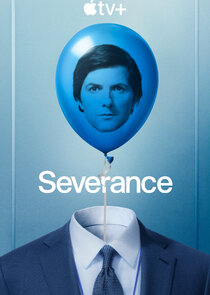
The innies do a job they cannot explain, for a company that has decided a person may be divided if the quarter requires it. That is a clean moral picture, and the show does not blur it with a romance that fixes the policy. The halls are funny until you notice nobody goes home as themselves.
Season one is the argument. Stay for it. The later puzzle can become a puzzle. The use is the question you can ask without the mythology: what part of you did a job require you to leave at the door, and who agreed to that?
Industry
7/10
The work is meaningless on purpose, which is the indictment, not an oversight.
Household
2/10
Home and the office are severed. A household cannot reach the person on the clock.
Piety
3/10
The company offers a cult in place of a conscience.
Courage
7/10
The brave act is refusing the procedure that keeps you useful.
Republic
4/10
A corporation as a government. The town outside is barely allowed in.
Temperance
6/10
The horror is the procedure, not a thrill of blood.
Truth
8/10
The premise is a lie the workers were told was a benefit.
Stewardship
6/10
What is at stake is whether a person remains one person.
Live historicallyLeave the office at a stated hour once this week, and do not apologize for the hour.
Excellence is real. So is the empty room after. A gift is not a personality.
Beth Harmon learns a hard, beautiful craft from a quiet janitor and then tries to live on talent and tranquilizers. The show loves the board, and it is right to. A standard that does not love excellence is just resentment with a hymn book. The show also, eventually, loves the moment she lets other people into the work.
That second love is the one to take home. Genius plus isolation plus a chemical is a very modern altar, and it is a bad one. Watch the games. Notice who is in the room when she finally plays the match that matters. Then go practice the thing you are good at, and also eat with somebody. Both. Not one as a reward for the other.
Industry
9/10
She studies. The board does not care about her feelings, and that is good for her.
Household
4/10
An orphanage, then mentors. A home is the thing she keeps not building.
Piety
3/10
The game replaces reverence. It is not quite enough.
Courage
7/10
She sits down across from better men and stays.
Republic
4/10
Almost no civic world. The tournament is the country.
Temperance
4/10
Pills and drink are the shadow career. The show does present a bill.
Truth
6/10
She has to become honest about needing people. That turn is the growth.
Stewardship
6/10
A talent fully used is a kind of stewardship. A life solely used up is not.
Live historicallyPractice a skill for forty quiet minutes. Tell one person what you are working on. Let them care.