
































































































Tonight
Ten for the evening
One to ten. Newest, most watched, highest on the Living Meter. Prime, Disney+, Hulu, Hallmark, Acorn, and Netflix.
A true bill. Hard to watch, and it should be. This is what stewardship betrayed looks like.
Purdue told doctors a painkiller was unlikely to enslave, and then the hollers filled up with funerals. Dopesick is not entertainment in the dessert sense. It is a record of what happens when industry is severed from truth and a household is treated as a market. The standard was built for exactly this kind of accounting.
It is grim, and grimness is not a virtue by itself. Here the grimness is the invoice. Watch it once if you can bear it, especially if you are tempted by the modern habit of blaming the wrecked and excusing the boardroom. Then look at the quieter addictions in your own rooms. Not all of them come in a bottle. Some of them come with a logo and a subscription.
Industry
8/10
Miners, doctors, prosecutors. Work is visible, and so is its ruin.
Household
8/10
Households come apart one prescription at a time.
Piety
6/10
Conscience in a few doctors and a few agents. Greed in the boardroom.
Courage
8/10
People tell the truth when it costs them a career.
Republic
8/10
A crime against a republic: a public harmed, a law gamed, a town spent.
Temperance
7/10
Addiction is shown as a captivity, not a lifestyle.
Truth
10/10
The lie about the pill is the whole tragedy.
Stewardship
9/10
It asks what was stolen from the children of those towns.
Live historicallyTell the plain truth about one habit in your house that has been getting a marketing slogan instead of a limit.
A neighbor who will not stay in her lane. The drinking is not romantic. Keep it.
Sharon is a mess, and the film does not hire the mess as charm. She is good at organizing a town and bad at telling the truth about a bottle. The father does not need a savior with a speech. He needs money, a flight, and people who will show up in a snowstorm. The snowstorm is the best scene because it is just a town.
A house can watch this. It is the opposite of a chosen-one story. The charge is embarrassing and small: look at the person three doors down and do the unpretty thing. The film earns that charge by not pretending Sharon is fine.
Industry
7/10
Hairdressing, fundraising, logistics. She is useful before she is admirable.
Household
7/10
A widower and a child. She does not get to replace the household. She has to serve it.
Piety
6/10
Faith is in the town. Her own conversion is behavioral.
Courage
8/10
She keeps going after she has been embarrassing.
Republic
8/10
A Louisville block that decides the child is theirs to get to the airport.
Temperance
6/10
The bottle is a fact with a cost. The film does not film it prettily.
Truth
7/10
She is lying to herself, and someone says so.
Stewardship
8/10
The good is handed to a child who is not hers.
Live historicallyPick one practical need on your own street and meet it without posting it.
The work is the show. Tired people stay responsible. Adults only.
A shift is a shift. They chart, they argue, they lose some, and they go back in. Almost nothing here is a speech about being a hero. The heroism is staying on the clock when the waiting room does not shrink.
It is not for a child. Blood is the job, and the show does not look away from it for your comfort. What it refuses is the other lie, that the work is a personality. Watch it if you want competence under a load. Then leave the emergency room on the screen.
Industry
9/10
A shift, a chart, a procedure. The job is the plot.
Household
6/10
Colleagues function as a crew. Home is what they are too tired to get back to.
Piety
4/10
Awe shows up as a life saved. No creed is required to do the next chart.
Courage
8/10
They go back into the room that is already going badly.
Republic
7/10
A public hospital is a commons. The show does not pretend it is a boutique.
Temperance
6/10
The hours are the excess. The show is not in love with the breakdown.
Truth
8/10
A chart is a promise. A missed one has a name.
Stewardship
7/10
What is handed on is a standard of care, not a brand.
Live historicallyThank one person whose job is other people's emergencies, and do not ask them to entertain you.
A shift, a county, and a crew. Earnest, and the earnestness is attached to a real job.
The show believes a county is worth filming at the speed of a call. That belief is right. The people are cleaner than life, which is the limit of this shelf, and the calls are still calls: a road, a house, a person who is afraid. Nobody is ironic about the stretcher.
A family can watch it. It will not teach the hardness of the job the way The Pitt does. It will teach that the job exists, and that a small place is not a waiting room for a city. That is enough of a reason to put it on instead of another coast.
Industry
8/10
Emergency medicine as a county shift. The skill is the story.
Household
6/10
Crews and families. The show wants them intact.
Piety
6/10
Faith is in the room without being the twist.
Courage
7/10
They drive toward the call.
Republic
7/10
A county is the jurisdiction, and it is treated as enough.
Temperance
8/10
Little appetite. The tone is duty.
Truth
6/10
The cases are plain. The show is not hiding a twist under the patient.
Stewardship
7/10
The aim is a person returned to a house that is still standing.
Live historicallyLearn where the nearest emergency room is, and who in the house would drive.
Formation is a high aim for a comedy. The jokes will tell you if it means it.
This is not the old sitcom. It is a 2026 comedy about a freshman crew at a serious school, aimed at a year they will not forget. That premise is already more grown than most of the chart. A culture that still believes young people are supposed to become something has not entirely quit.
We will not pretend to have audited the punchlines. We score the aim. If the show loves the work of becoming — study, loyalty, the embarrassment of being new — keep it on and watch it with someone at the start of their own formation. If it is only a costume party with a quad, you will know by the second episode. Turn it off without a speech.
Industry
7/10
A hard school is the setting. Becoming is the work.
Household
6/10
A crew can be a temporary household, if they actually keep one another.
Piety
4/10
Not a religious story. Character is still allowed to matter.
Courage
6/10
Leaving home and staying the course is a kind of courage.
Republic
6/10
A campus is a small republic. It can teach duty or only status.
Temperance
5/10
College comedy often catechizes the party. We have not graded every joke.
Truth
6/10
Friendship that survives honesty scores. Pose does not.
Stewardship
7/10
Education is one of the few inheritances a house can still hand on.
Live historicallyLearn one thing this week you could teach. Then teach it, badly is fine, to a real person.
Loyalty and a quest. The gods are petty. The kids, mostly, are not.
A twelve-year-old is accused of stealing a lightning bolt and walks America to give it back. The gods in this world are powerful and small. Do not take your piety from them. Take it from the fact that a boy still thinks a stolen thing should be returned, and that he will not do the walk alone.
It charted on Netflix and lives, at home, on Disney+. Either way the measure is the same. This is a story you can put in front of a kid without training him to be cruel. Talk afterward about absent parents, about loyalty, and about the difference between power and goodness. Olympus fails that test. Percy, on his better days, does not.
Industry
6/10
The work is a journey with a job at the end, not a vibe.
Household
5/10
Divine parents are famous for leaving. Mortal friendship has to cover it.
Piety
4/10
The heavens are a court of egos. Reverence is hard to learn from them.
Courage
8/10
A child walks toward a danger he did not ask for, with his friends.
Republic
6/10
He is trying to restore order, which is more than most quests bother with.
Temperance
7/10
The appetite on screen is adventure, not rot. Built for the young.
Truth
7/10
Keeping your word to a friend is the actual plot engine.
Stewardship
6/10
A boy learning he is responsible for more than his own feelings.
Live historicallyTake a walk with someone younger than you and tell them about one promise you kept when it was inconvenient.
Work, a promise, and a God who is not embarrassed to be named. A rare one.
Martha Williamson, who made Touched by an Angel, made a show about the dead-letter office and let the people in it believe in God out loud. That alone puts it above most of the shelf. The mysteries are small. A name, a street, a sentence someone was afraid to send. The courage is the same size as the mystery, which is the right size.
It is sweet, and it means to be. Sweet is not a failure when the work is real and the faith is not a costume. Watch it when you have started to think that only a grim story can be a serious one. Then write the letter you have been storing in a drawer.
Industry
8/10
They have a craft: the lost letter, read carefully, and walked to a door.
Household
7/10
The office becomes a household. Marriage is hoped for, not mocked.
Piety
9/10
Faith is the engine, not the punchline. Prayer is allowed to be ordinary.
Courage
7/10
They finish an errand the world has already filed as impossible.
Republic
8/10
A public service, done as if the stranger on the envelope is a neighbor.
Temperance
9/10
No one is trained to sneer. Kindness is the discipline.
Truth
8/10
A letter is a fact. They will not improve it to make a prettier ending.
Stewardship
8/10
What they deliver is often a word a parent or a child was owed.
Live historicallySend one letter, or one plain message, you have been postponing. Use a name. Do not hide behind a joke.
The rare one that lets faith be a life and not a speech. Keep it in the house.
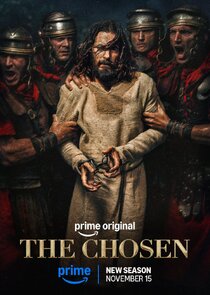
It is interested in the people around Jesus before it is interested in a miracle as a special effect. Fishermen have a payroll. Matthew has a desk. The women have work. Doubt is allowed to stay in the room long enough to be real. That is why a household that does not share the creed can still watch it without being sneered at, and a household that does can watch it without being flattered.
The later crowds get larger. Stay with the early seasons, where the scale is a table. The charge is the one the show actually has: a person is called by name, and a life is supposed to change in the ordinary hours, not only in the scene with the light.
Industry
7/10
Fishing, tax collecting, weaving. The jobs are still there after the sermon.
Household
8/10
Households are disrupted and remade. Marriage and children are not props.
Piety
10/10
The subject is worship, obedience, and a conscience that can be spoken to.
Courage
8/10
They leave the nets. The leaving costs the livelihood.
Republic
6/10
A people under an empire. The show refuses the fantasy that the sermon is a coup.
Temperance
8/10
Appetite is not the teacher. Restraint is part of the walk.
Truth
8/10
He answers questions. The show lets some of them stay uncomfortable.
Stewardship
8/10
What is handed on is a way of life, not a brand.
Live historicallyInvite one person to a meal who is not already inside your circle.
A house that will not let its women stay estranged. Worth the evening, then the talk.
A daughter comes home angry, a mother has been gone in the ways that matter, and a grandmother is the one still holding the land. The time travel is the hook. The standard does not grade hooks. It grades whether a family tells the truth before the land is lost.
Some hours are a romance with a magical pond. Stay for the hours that are a confession. If you have a silence in your own house that has lasted years, this one will bother you in the useful direction. Watch it, then say the thing. Do not wait for a pond.
Industry
6/10
A farm still has to be run. The wonder does not cancel the chores.
Household
9/10
Mothers, a daughter, a grandmother. The rift is the plot and the repair is the hope.
Piety
6/10
Awe shows up. A creed is thinner than the love.
Courage
7/10
Going back means facing the year you failed someone.
Republic
7/10
A town keeps their secrets and, slowly, their supper table.
Temperance
8/10
Grief is not glamorized. Neither is a grudge.
Truth
7/10
The pond is a device. The truth it forces is not.
Stewardship
9/10
What a woman owes the girl she used to be, and the girl she is raising.
Live historicallyName one silence between you and a parent or a child. Break it this week with one true sentence.
An orphanage, two sisters, and a town that has to decide the children count. Start it tonight.
It began on Hallmark and lives in the same country as When Calls the Heart: a young century, a town small enough to be ashamed of itself, and women who decide that a child without a parent is their business. That decision is the standard in one sentence.
It is softer than the history it borrows. Softness here is a mercy, not a lie, so long as you remember that raising children is heavier than the lighting. Watch it with your own children if they are old enough to ask why some kids have to be taken in. Then answer them without a speech.
Industry
7/10
Keeping a house full of children is the labor. It is not glamorous and it does not stop.
Household
9/10
The whole story is a household being built for kids who arrived without one.
Piety
7/10
Duty is treated as holy even when the sermon is light.
Courage
8/10
They take in a child when it costs them the peace of the house.
Republic
8/10
A small settlement argues, in public, about what it owes the fatherless.
Temperance
8/10
The tone is restrained. Nobody is selling you a vice.
Truth
7/10
The past the sisters share has to be said out loud before the home will hold.
Stewardship
9/10
Posterity is not a theme. It is the cast.
Live historicallyLearn the name of one child in your town who is being raised by someone who did not have to. Help that house once.