
Series · PBS · 2001
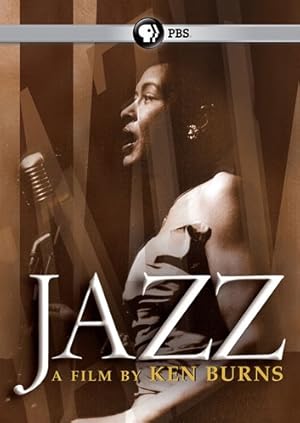
Jazz
63Watch it awake.
Worth a quiet evening if you want the music's story more than a plot; PBS put the work in.
Pass it on
The review
It is a long PBS documentary that sits you in the arc from New Orleans streets and dance halls through Swing's peak and the later splintering. The camera and narration stay on the labor of Armstrong, Ellington, Holiday, Goodman, and Parker.
The good part is plain: you hear how the music was made and why it mattered in the communities that carried it, as work that answered the times. Leave it on and you may find thirteen and nine won't hold through the slow build of names, dates, and social weather; it asks more patience than one evening can give and does not invent thrills.
The glance
Household and Temperance are the thin ones.
Is a marriage, a parent, or a child a real life here, or just a prop?
This phone is set for a grown person, just me. Change the ages.
The eight
- 8Industry
Armstrong, Ellington, Goodman and the rest are shown doing the craft that built the music.
- 4Household
Lives of the major players are tracked; marriage and children stay mostly off the main stage.
- 5Piety
Spirituals and hymns sit in the roots; conscience shows more as social pressure than private stop.
- 6Courage
Contributors keep playing through decline, Jim Crow, and the cost of staying visible.
- 8Republic
The series ties the music to neighbor, town, and political fights in African American communities.
- 4Temperance
You are led episode to episode toward the next star and sub-genre more than toward restraint.
- 7Truth
It treats the historical record as something that has to hold; myths get weighed against the work.
- 8Stewardship
What remains is the living music, carried past the golden age into later players.
Where to watch
Finding the page.
Live Historic · Jazz · 63IMDb tt0221300