Series · BBC One · 1974
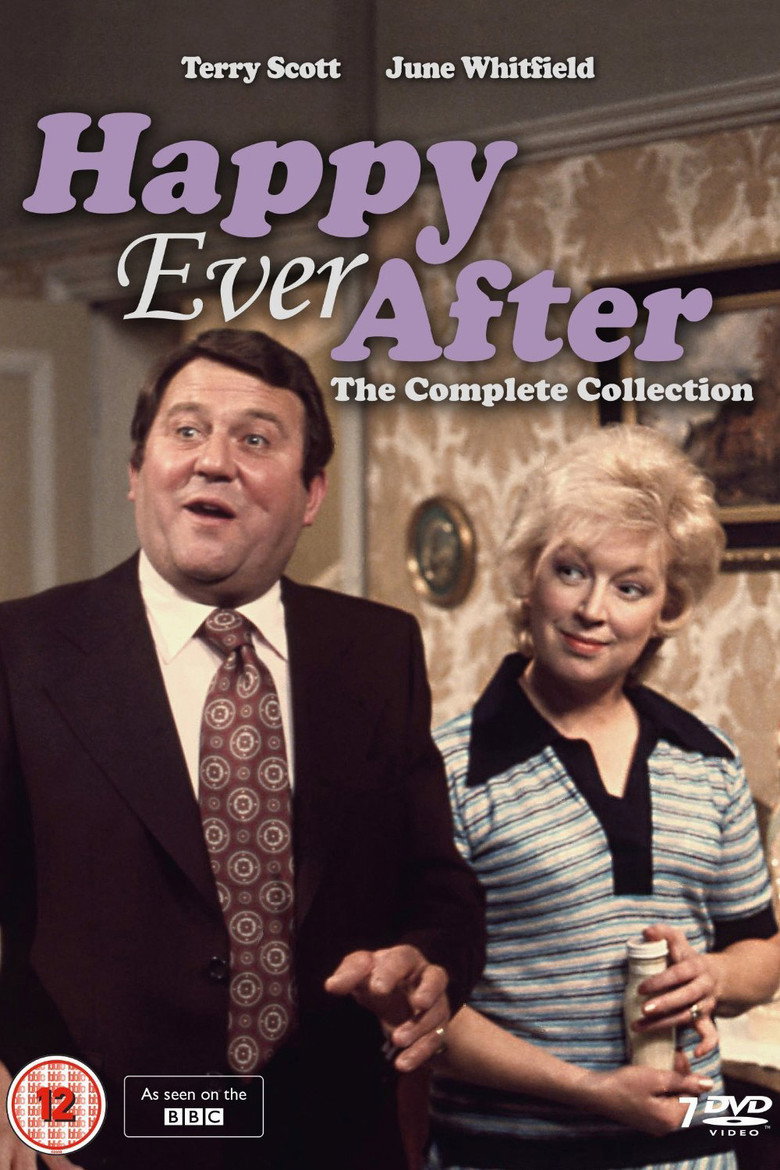
Happy Ever After
40Leave it.
Gentle empty-nest farce with Terry’s schemes and June’s patience; fine for a quiet night if you like that room.
Take controlThis scores 40. Happy Ever After cannot be blocked by name on this shelf. The lock is the phone. Block it
Pass it on
The review
It is that middle-class sitting room after the grown daughters have gone: Terry Fletcher lights on a scheme and drives it into the wall while June stays patient, and Aunt Lucy moves in with her talking mynah bird. The good is plain—the marriage holds under ordinary foolishness, no grand crisis, just the habit of not quitting each other when the house goes quiet.
The bird is the gag; the empty nest is the point. Leave it on and you sit with patience letting a spouse’s next idea run the week, plus the chairs the children left behind.
The glance
Industry and Piety and Courage and Republic and Temperance and Truth are the thin ones.
Does anyone here do a real job, and does that job matter?
This phone is set for a grown person, just me. Change the ages.
The eight
- 3Industry
Terry’s schemes stand in for work; no job on screen pays bills or turns the plot.
- 8Household
Once Susan and Debbie leave, the marriage and the spare room (Aunt Lucy) are the life.
- 2Piety
Conscience never stops a plan; the setup gives no moment where it could.
- 4Courage
Terry risks looking a fool for an idea he would miss winning; stakes stay comic.
- 2Republic
No neighbor, law, or town claim appears in what we are given.
- 3Temperance
Terry does not put the next idea down; the joke is he rides it anyway.
- 4Truth
Promises and lies are not the engine; bills for them stay offstage.
- 6Stewardship
What is left after the daughters go is the house they keep and the aunt who fills it.
Where to watch
Finding the page.
Live Historic · Happy Ever After · 40IMDb tt0074003