





















Series · National Geographic · 2014
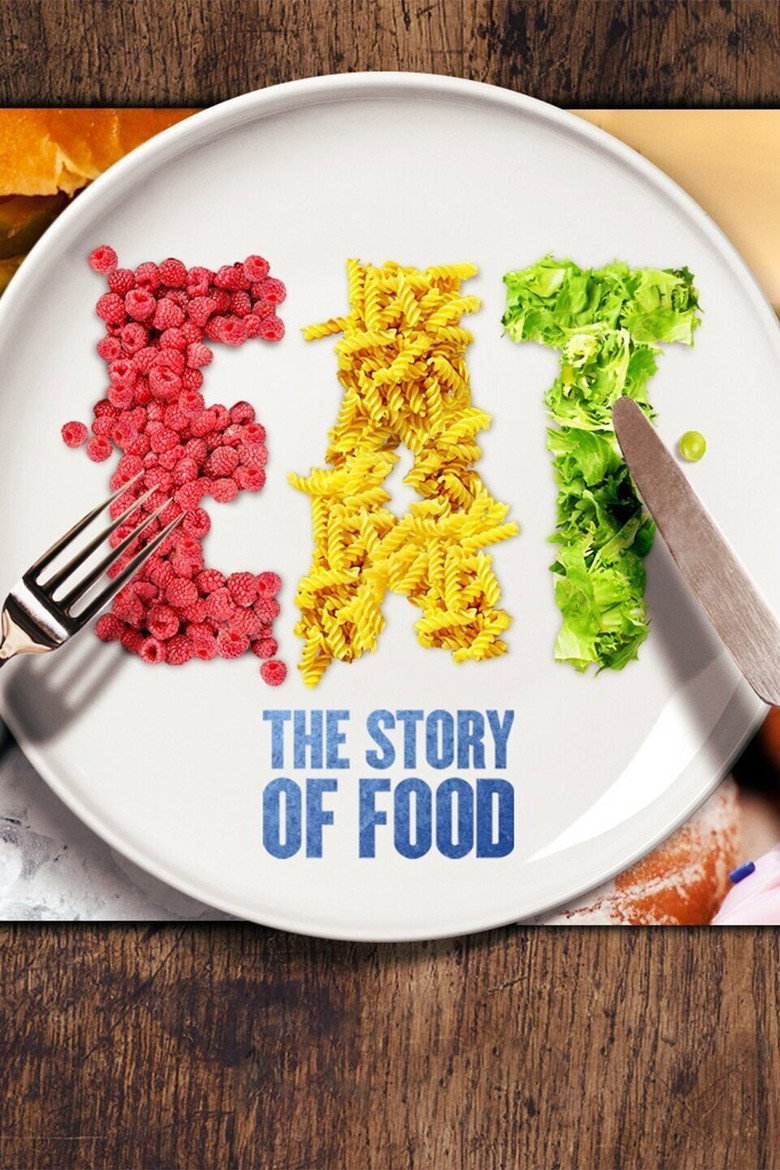
Eat: The Story of Food
55Watch it awake.
Worth a quiet Nat Geo night if you actually cook after.
Pass it on
The review
It’s Nat Geo: six hours on meat, sugar, seafood, junk, grains, and the folks who shifted what lands on plates. Opens with Spam trailing armies, sausage with Rome, spices tying trade routes. Chefs and writers (Majumdar, Samuelsson) give personal bits—meals for a baby or a wake, food making you wonder what group you belong to. That kitchen-to-long-past thread is the real draw.
You spend an evening on polished montage that can feel like appetite with footnotes. After the credits you either change one meal you cook or the past just tasted like television.
The glance
Piety and Courage are the thin ones.
Can conscience actually stop someone, or is reverence only in the shot so it can be mocked?
This phone is set for a grown person, just me. Change the ages.
The eight
- 7Industry
Episodes track real work: spice routes, meat packing, grain farming, and who got paid for it.
- 8Household
Majumdar’s bit lands: births to wakes still get marked by a shared meal across cultures.
- 3Piety
Conscience barely appears; no one is stopped from a plate by duty beyond taste and story.
- 4Courage
Food revolutionaries get airtime, yet few risk a living or a name you watch them lose.
- 5Republic
Empire and global markets show up; local law or neighbor debt stays mostly off-screen.
- 6Temperance
Sugar and junk-food hours name excess; the cut still sells the next craving as history.
- 5Truth
Big claims (Spam, Rome, spices) are asserted; bills for soft history stay light.
- 6Stewardship
Future impact and cultural leftovers get a look; the series leaves the pantry question open.
Where to watch
Finding the page.
Live Historic · Eat: The Story of Food · 55IMDb tt3898956