Tonight
Ten for the evening
One to ten. Newest, most watched, highest on the Living Meter. Prime, Disney+, Hulu, Hallmark, Acorn, and Netflix.
A working house, played for laughs, that still believes the house is the point.
Frankie Heck is tired, and the show thinks her tiredness is funny and honorable at once. That is rarer than it should be. The kids are odd, selfish, and still brought to the table. The father is not a punch line who vanishes.
Use it when the evening needs a family that is not rich and not ashamed of not being rich.
Industry
8/10
Frankie works. Mike works. The bills are a character.
Household
8/10
The Heck family is the whole show. They fail in each other's direction.
Piety
4/10
Church is occasional and not mocked as the enemy.
Courage
5/10
The courage is showing up to a job and a school play you cannot afford.
Republic
5/10
A small Indiana town. The institutions are tired and still there.
Temperance
6/10
The jokes are at the chaos of a full house, not at modesty.
Truth
7/10
It does not pretend the middle class is a brand. The car really will not start.
Stewardship
7/10
The children are the stake. The parents do not leave.
Live historicallyAfter it, do one unglamorous job the house has been postponing. Frankie would.
Duty, a crumbling republic, and soldiers who were manufactured. Older children. Not a cartoon because it is drawn.
The early episodes are battles. The series becomes something else: clones with names, a Senate that is lying, Jedi who are generals when they were supposed to be something stricter. Ahsoka's leaving the order is the grown hour. The war is the villain, including the side that thinks it is the republic.
Not for a small child. The body count is the point, and the point is that a free people can be walked into a slaughter by men who speak well. Watch the arcs about the clones and the Senate. Skip the ones that are only a lightsaber.
Industry
7/10
Soldiering is a craft. The tragedy is that the craftsmen were ordered from a factory.
Household
3/10
Almost no one has a house. Attachment is treated as a fault by the people who should know better.
Piety
5/10
An order with a code. The code fails the war.
Courage
8/10
They go back in. Ahsoka walks away when the order will not tell the truth.
Republic
8/10
The republic is the subject: how it votes itself into an empire.
Temperance
5/10
War as a habit. The better arcs are sick of it.
Truth
8/10
The chancellor is a lie sitting in the chair. The show lets you watch the room miss it.
Stewardship
6/10
What is handed on is a galaxy that lost the argument.
Live historicallyTell a teenager the difference between a soldier who chose the work and a person who was made for it.
The punishments are the old book. The factory is colder than the 1971 film. Read it that way.
Charlie is still the child who has a family and almost nothing else, and the ticket is still a test the other children fail in public. Willy is stranger here, and the flashbacks make his oddness a wound rather than a mystery. That is a choice. It explains him. It also risks teaching that genius is a loneliness the world should indulge. The book did not ask for that much sympathy.
Watch it if the house already knows the story and can say which child is which. The gum, the television, the greed, the spoiled demanding: those four are the lesson, and they are still true. Do not come away wishing to live in the factory. Come away glad Charlie had a grandfather who would go with him and a family to bring the prize home to.
Industry
6/10
Charlie's father is out of work. The cabbage soup is not a quirk.
Household
8/10
A cramped house that loves him. The grandparents are the wealth.
Piety
3/10
Wonder as a factory. No reverence.
Courage
6/10
He is brave in a quiet way: he tells the truth and he does not grab.
Republic
5/10
Five children, one prize, a public test.
Temperance
8/10
Appetite is the sin, demonstrated four times. Charlie's restraint is the point.
Truth
7/10
The children are not misunderstood. They are what they do.
Stewardship
7/10
He takes the factory in order to keep a family, not in order to become a brand.
Live historicallyLet a child want something, and then practice leaving one sweet uneaten.
Keep it, with the knowledge that it smooths a history. The locker room still has a true demand: play as one or lose.
Boone will not coach two teams inside one locker room. That insistence is the film's spine and it is right. The friendships arrive through work: a camp, a playbook, a hit you take for someone you did not eat with last year. The movie is neater than 1971, and a house should say so rather than pretend a sports picture finished racism. What it does not lie about is the necessity of a standard that applies to every boy in the room.
Watch it, then resist the warm credit sequence as a substitute for your own school's facts. The charge is local.
Industry
8/10
Practice as the moral method.
Household
5/10
Teammates become a household of a kind.
Piety
4/10
Little explicit faith. A real ethic.
Courage
7/10
Men who take the public heat.
Republic
7/10
A town forced to watch its children share a field.
Temperance
6/10
Anger present, mostly aimed.
Truth
6/10
The integration is real. The neatness is the film's.
Stewardship
7/10
It hands on a shared standard.
Live historicallyPut two people who do not like each other on a real job together.
The grump is right. The friendly visitors came for the eggs. Hear the grump.
Red is rude and isolated and correct. The pigs arrive with gifts and a party, and the island wants to be liked, and the eggs go missing. It is a comedy about a raid. The film trusts the unfriendly watchman over the welcoming committee. That is not the usual children's lesson, and it is the better one.
Crude in spots. The shape is sound. Hospitality is a virtue. Hospitality without eyes is how a fox gets the henhouse, or a pig gets the nest.
Industry
4/10
A court-ordered anger class. Then a real emergency.
Household
7/10
The eggs are the children. The whole plot is their rescue.
Piety
2/10
None.
Courage
7/10
He warns them and then goes after the ship.
Republic
6/10
A village that preferred a party to a watch.
Temperance
5/10
Anger is his vice and, aimed right, his tool.
Truth
8/10
The gifts were a lie. He said so early.
Stewardship
8/10
What is stolen is the next generation. They go get it.
Live historicallyWhen someone new is very charming around your children, look at their hands.
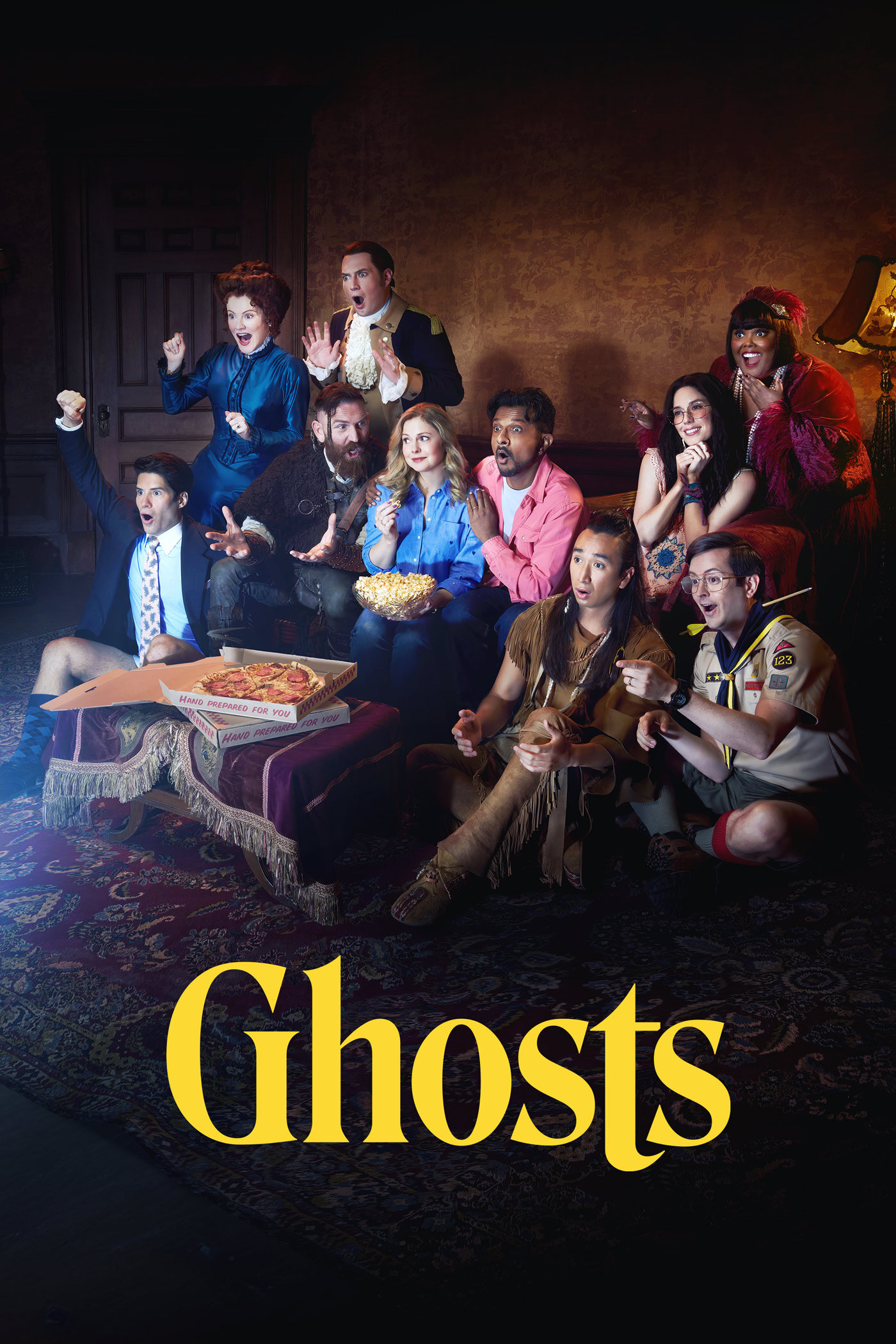
A house, a marriage, and a joke that stays kind. One of the better sitcoms in the row.
Sam and Jay cannot afford the life they thought they wanted, so they take the ruined house, and the ruined house comes with obligations. That is a sound comedy. The ghosts let the show remember that other centuries lived in the same rooms. It will not tell you what the dead owe God. It will tell you that a house is other people's story as well as yours.
Industry
5/10
They are trying to make the house pay. The inn is a plan and a chore.
Household
7/10
A marriage at the center. The ghosts are a difficult extended family.
Piety
3/10
The dead are stranded, not judged. The show is comedy, not a creed.
Courage
4/10
They stay with the house everyone told them to sell.
Republic
4/10
A local place, a history under the floorboards.
Temperance
7/10
The jokes are at manners and eras, not at the marriage.
Truth
6/10
Each ghost is a person from a specific time. The history gag is doing work.
Stewardship
6/10
Stewardship of a house is the actual plot, costumes included.
Live historicallyLearn one true thing about the people who had your home, or your street, before you.
Grief told honestly, then a fantasy that drafts the neighbors. Watch the bill.
The first honest thing is that she cannot stand the kitchen without him. Plenty of stories sneer at that. This one sits in it. The second honest thing, which arrives later, is that a private heaven built out of other people's minds is not love. It is a occupation with better lighting.
Stay through the moment she lets the fantasy go. That is the scene the standard cares about. If you only want the costume changes, you will miss the only adult decision in it. Grief is not a permission slip to rearrange the street.
Industry
4/10
The work of mourning is real. The work of the people trapped in it is stolen.
Household
5/10
A marriage and two boys. They are loved, and they are also a set she will not release.
Piety
4/10
Magic stands in for prayer. There is no one she is willing to answer to.
Courage
5/10
Facing the grave takes nerve. Keeping the town takes the other kind of will.
Republic
3/10
A street of neighbors is furniture until someone fights free.
Temperance
4/10
The comfort is total and therefore a kind of drunkenness.
Truth
7/10
The show's good turn is admitting the sitcom was a lie with hostages.
Stewardship
4/10
What the boys inherit is her power and her unfinished sorrow.
Live historicallyIf you are keeping a loss alive by controlling the people around it, name the loss to one of them instead.
A liar given a clock and a desk. The joke is better than the theology.
A man whose whole talent is the exit is forced to stay in the building. That is a useful premise. Bureaucracy as the enemy of a life is also useful, up to the point where the show replaces it with another glowing MacGuffin and forgets the man.
Take the part where he tells the truth at a cost and leave the rest of the mythology on the table. A clever man is not a good man until the cleverness stops being the way he avoids a promise. This one almost gets there. Almost is not the same as a vow.
Industry
5/10
He is finally given a job. He is still mostly performing it.
Household
3/10
Variant selves are not a household. Affection shows up late and sideways.
Piety
2/10
Gods are props. Reverence would end the bit.
Courage
6/10
He does, eventually, choose a hard future over a clever exit.
Republic
5/10
A secret office that edits history is the villain, which is the right instinct.
Temperance
4/10
Charm is the appetite. The show feeds it.
Truth
6/10
The plot only works if a liar becomes bored with lying.
Stewardship
5/10
The question of what timeline we hand on is the best thing in it.
Live historicallyKeep one promise this week that would have been easier to joke your way out of.
Keep it. True love here is a long errand, not a mood. Inigo's mercy is the best scene.
Westley keeps his word across years and a mostly-death. Buttercup has less to do than she should, and the film is still on the side of fidelity. The boy in the bed, rolling his eyes at the kiss, is the real audience, and the grandfather wins him without cheating. Inigo wants a killing and is given a chance to stop at justice. That pause is more grown than the swordfight, and the swordfight is perfect.
A whole house can watch this. Quote it if you must. Then notice you are quoting a story about people who did not quit.
Industry
7/10
A quest with chores: the cliffs, the fight, the pit.
Household
6/10
A grandfather and a boy. A love that waits.
Piety
4/10
A fairy tale with a moral spine.
Courage
8/10
Everybody comes back for somebody.
Republic
5/10
A corrupt prince, laughed at and defeated.
Temperance
6/10
Vengeance is answered and then set down.
Truth
7/10
The book in the grandfather's hands is the true object.
Stewardship
8/10
It hands on the habit of reading aloud.
Live historicallyRead a story aloud this week, all the way to the end.
Rules are not meanness. The creature is not a friend. A true cautionary tale.
Gizmo is gentle. The rules are clear. Billy breaks them the way a boy breaks a curfew, and the film does not wink him out of the bill. The gremlins are malice with a giggle, which is exactly the right picture of a small evil that multiplies when it is fed after midnight and left wet. The mother's fight in the kitchen is competence, not a joke.
Frightening, and some of the kills are played for a laugh you should not share. The spine is sound: a gift with conditions is still a gift, and sentimentality about a pet is how the town burns. Older children, with you in the room.
Industry
6/10
His mother can run a kitchen like a defense. His father is a tinkerer.
Household
6/10
A household that has to survive what the son brought home.
Piety
4/10
The rules are a kind of law. Breaking them is not liberation.
Courage
6/10
They fight for the street.
Republic
6/10
A whole town is the victim of one boy's exception.
Temperance
8/10
Cute is not a virtue. Appetite after midnight is the plot.
Truth
8/10
He was told. He did it anyway. The film does not call that bold.
Stewardship
7/10
What he owed the town was obedience to a simple care.
Live historicallyKeep the rule you were given about a thing you do not understand. Especially after dark.