Tonight
Ten for the evening
One to ten. Newest, most watched, highest on the Living Meter. Prime, Disney+, Hulu, Hallmark, Acorn, and Netflix.
The best of the series because the secret is a person, not a gadget.
Ultimatum stops adding chases for their own sake and asks who Jason Bourne was when he still had another name. The answer is not comforting. He agreed to be made, and then they took more than he agreed to.
Watch it after Identity if you watch any of them. Skip the later ones if this ending already told you what the program is.
Industry
6/10
The craft is the same. This time he uses it to recover a name.
Household
3/10
The woman from the earlier film is a ghost. The house is already lost.
Piety
3/10
What he recovers is a conscience the program had trained out.
Courage
7/10
He goes to the building where they made him.
Republic
6/10
A state that assassinates and then classifies the assassination.
Temperance
5/10
Tight, grim, and not in love with the guns.
Truth
8/10
The plot is the truth of what he volunteered for, and what they did after.
Stewardship
5/10
He wants a self he can live with after the file is open.
Live historicallyAsk what he volunteered for, and what was done to him after he said yes.
Real dead people. The work is real. It is not entertainment for a child.
Someone has already been killed, and a detective is trying to learn who did it before the trail dies. That deserves respect, which means it is not on while children eat.
Adults can learn from the work. Remember the edit. A camera in the car is not the whole city, and a confession on television is not the whole trial.
Industry
8/10
Detectives do a job against a clock. The job is the entire show.
Household
3/10
Families appear as the bereaved. Their grief is not a subplot.
Piety
3/10
Death is ordinary here, which is the sober fact and the risk.
Courage
6/10
They knock on doors that do not want them there at that hour.
Republic
6/10
A city, a case, and the thin chance of a true account of it.
Temperance
6/10
It does not add a fictional thrill. The fact is already enough.
Truth
7/10
These are real cases. The edit still chooses which hour you see.
Stewardship
4/10
What it hands on is the record of a murder, not a repair of one.
Live historicallyIf it is on, send the children out. A family is attached to the body.
A drug, a girl, and a man who wants his daughter back. The pill is the threat.
Project Power is a superhero story that tells you the power comes in a pill and the pill is not safe. Under it a father is looking for a child the same people used. That search is the film worth watching.
Older teenagers with you. The powers are the poster. Ask who was dosed without a choice. The answer is not the man in the suit.
Industry
4/10
A cop, a dealer, and a soldier. The straight jobs are losing.
Household
6/10
A father hunting the people who took his daughter. A girl and her mother.
Piety
2/10
Power as a dose.
Courage
6/10
They go after the lab.
Republic
4/10
A city used as a test market.
Temperance
3/10
The pill is a thrill, and the film knows it is a poison.
Truth
5/10
The experiment on people is not excused.
Stewardship
5/10
What they are trying to get back is a daughter, not a dose.
Live historicallyAsk who was experimented on, and who is still missing at the start.
A comedy about the business of pictures. The pictures are not the point. The deal is.
It is funny about a real workplace: notes, openings, a star, a number that has to be hit on Friday. Anyone who has sat in a room where the work was talked about more than done will recognize the sweat. The show loves that room. It is less sure it loves a movie.
Adults in the business, or near it, can take it as a roast. A house looking for a story will not find one. The charge, if you watch it, is to notice how little of the hour is spent on the thing the audience came for, and then to go make the thing.
Industry
7/10
Studio work is logistics, fear, and taste under a calendar.
Household
2/10
Home is what he misses because of the premiere.
Piety
1/10
The sacred object is the opening weekend.
Courage
4/10
He risks the job. The risk is status.
Republic
3/10
A company is not a town. The audience is a demographic.
Temperance
4/10
The excess is the industry's. The show laughs and does not leave.
Truth
5/10
It tells the truth that most of the meetings are about fear.
Stewardship
2/10
Nothing is handed to an audience except the campaign.
Live historicallyMake one thing this month that does not need a meeting to exist.
The child is not a subplot. Going home is the repair. A quiet keep.
Birdee's marriage is ended on television, which is a modern cruelty the film understands. The useful move is not the new man, though he is kind. It is the mother, the old house, and the daughter who has to watch her parent become a person again. Humiliation is not a personality. Work and a child will do more than a speech about believing in yourself.
It is sentimental, and the sentiment is mostly aimed right. Watch it when someone in the house has been made a spectacle. Then be ordinary with them on purpose.
Industry
6/10
She has to learn a job again.
Household
8/10
Three generations under one roof.
Piety
4/10
Comfort, not a creed.
Courage
6/10
She stays in the town that saw her fall.
Republic
4/10
A small town as a refuge.
Temperance
6/10
Grief without a spree.
Truth
6/10
The public shame is shown as shame, not as content.
Stewardship
7/10
It hands a child a parent who came back to earth.
Live historicallyIf you are the one who was shamed, take the child with you into a real kitchen, not into a performance.
Finish what you started. A good peril-picture for a family that can take a stampede.
Alan is a fatherless adventure that becomes a caution: the game does not care that you are bored of it. The children learn that a fun thing with rules is still a vow. There is noise, and there are creatures, and the ending puts the children back in a life where the work is ordinary. That return is the moral. A fantasy that will not give the child back is a theft. This one gives them back.
Some images are too much for the very small. For everyone else, the lesson is plain enough to say over the credits. You do not quit a dangerous thing in the middle and shut the closet.
Industry
6/10
The game is a task that must be completed.
Household
6/10
A lost son, a friendship, a return.
Piety
3/10
Magic with rules, not worship.
Courage
7/10
They stay at the table.
Republic
5/10
A town damaged by an abandoned game.
Temperance
6/10
The thrill is governed by an ending.
Truth
7/10
Consequences are not optional.
Stewardship
7/10
It hands a child back to an ordinary afternoon.
Live historicallyDo not leave a mess in the house for the next child to inherit.
Stewardship with a cartoon sermon. The sermon is not wrong. The humans are thin.
Hexxus is pollution with a voice, and the film is honest that a machine with no master will eat until the green is gone. Crysta is brave. Zak learns that a job can be a harm even when the men doing it are ordinary. That is a fair lesson.
It is also a sermon that flattens the loggers into the spell. Stewardship in a real county has to count the paycheck and the watershed in the same sentence. Watch it for the creature and the smoke. Then take the child outside, where the question is harder and the trees are not voiced by a fairy.
Industry
5/10
Logging is shown as a job. The machine is the villain, the men are almost props.
Household
4/10
No household. A friendship across kinds.
Piety
6/10
The forest is treated as a created thing with a claim on the people in it.
Courage
7/10
She goes toward the smoke.
Republic
5/10
A common good, argued by magic rather than by neighbors.
Temperance
6/10
Consumption is the demon, named as one.
Truth
6/10
The harm is not pretended away.
Stewardship
8/10
The whole plot is what we leave standing.
Live historicallyWalk a child through one real place you mean to keep, and say what would ruin it.
Keep it. A quiet comedy about a place that is not a site.
Mac's errand is a purchase. The film gives him weather, a phone box, a bartender, an old man who owns the beach, and enough time to lose the taste for the deal. Nobody is a yokel. The company is not a cartoon. The magic is low and local, including the Northern Lights, which are not a metaphor so much as a fact he had no room for in Houston. Development that cannot see a place is the soft villain.
Watch it when the house is loud. It rewards attention the way the village does. If you get restless, that restlessness is the thing the film is treating.
Industry
6/10
A deal, then the work of actually looking.
Household
4/10
A village of particular households.
Piety
5/10
Awe, lightly worn.
Courage
4/10
The courage is to change his mind.
Republic
6/10
A commons that is not for sale in a hurry.
Temperance
7/10
Ambition cooled.
Truth
7/10
The beach belongs to someone.
Stewardship
8/10
It hands you a reluctance to pave.
Live historicallyBefore you call a place an opportunity, learn the name of the bay.
Old, stiff, and on the side of the odd child. The song is not the whole story.
Rudolph is mocked for his nose. Hermey wants to be a dentist. The abominable snowman is a bully and then a patient. The island of misfit toys is the part to sit up for: things that were discarded because they did not match a catalog, waiting for someone to take them home. The ending still leans on usefulness — the glowing nose saves Christmas — and a parent should add the sentence the special forgets. He was already worth keeping in the fog.
The animation is simple. The mercy is not. A December house can use it.
Industry
5/10
An elf who wants a different craft. A reindeer with a job only a storm reveals.
Household
6/10
They make a little company of the rejected.
Piety
4/10
Christmas is the feast. The special is more fable than worship.
Courage
6/10
He goes into the storm.
Republic
5/10
A workshop that fires the odd one.
Temperance
6/10
Mockery is the vice.
Truth
7/10
The nose was never the shame they said it was.
Stewardship
8/10
Misfit toys waiting to be chosen. That is the stewardship.
Live historicallyGo get the toy, or the child, that was set aside for being the wrong kind.
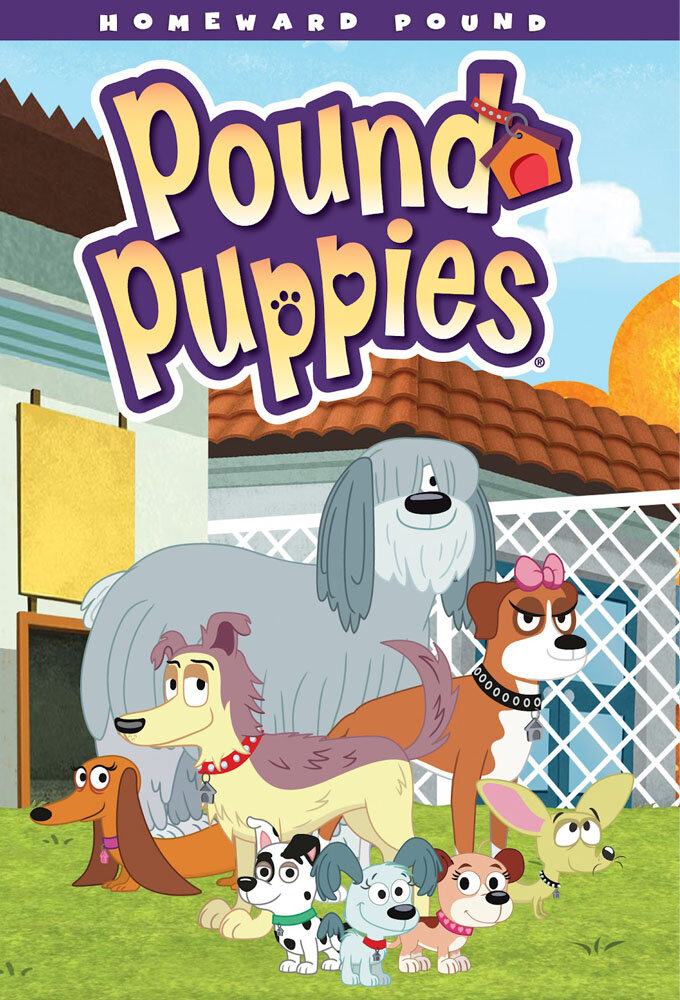
Adoption is a real good. Cartoon danger, cartoon ending. Then look at an actual animal.
The secret-agent framing is silly and a child can see that it is silly. Under it, the show prefers a specific dog with a specific person to a dog left in a cage. That preference is sound.
Watch one. If the house is not prepared to care for an animal, say so, and do not let the cartoon be the argument.
Industry
6/10
They have a mission and they execute it. The job is finding a home.
Household
6/10
A home is the happy ending, and it is the right happy ending.
Piety
2/10
None.
Courage
5/10
They take risks for a dog that cannot ask.
Republic
4/10
A pound is a public problem. They treat it like one.
Temperance
7/10
Mild. The peril ends.
Truth
6/10
A pet is a responsibility, not a toy. The better episodes remember.
Stewardship
6/10
The thing handed on is a creature that will still be there tomorrow.
Live historicallyIf you can take care of a pet, consider the one that is waiting. If you cannot, do not pretend the episode was a promise.