Tonight
Ten for the evening
One to ten. Newest, most watched, highest on the Living Meter. Prime, Disney+, Hulu, Hallmark, Acorn, and Netflix.
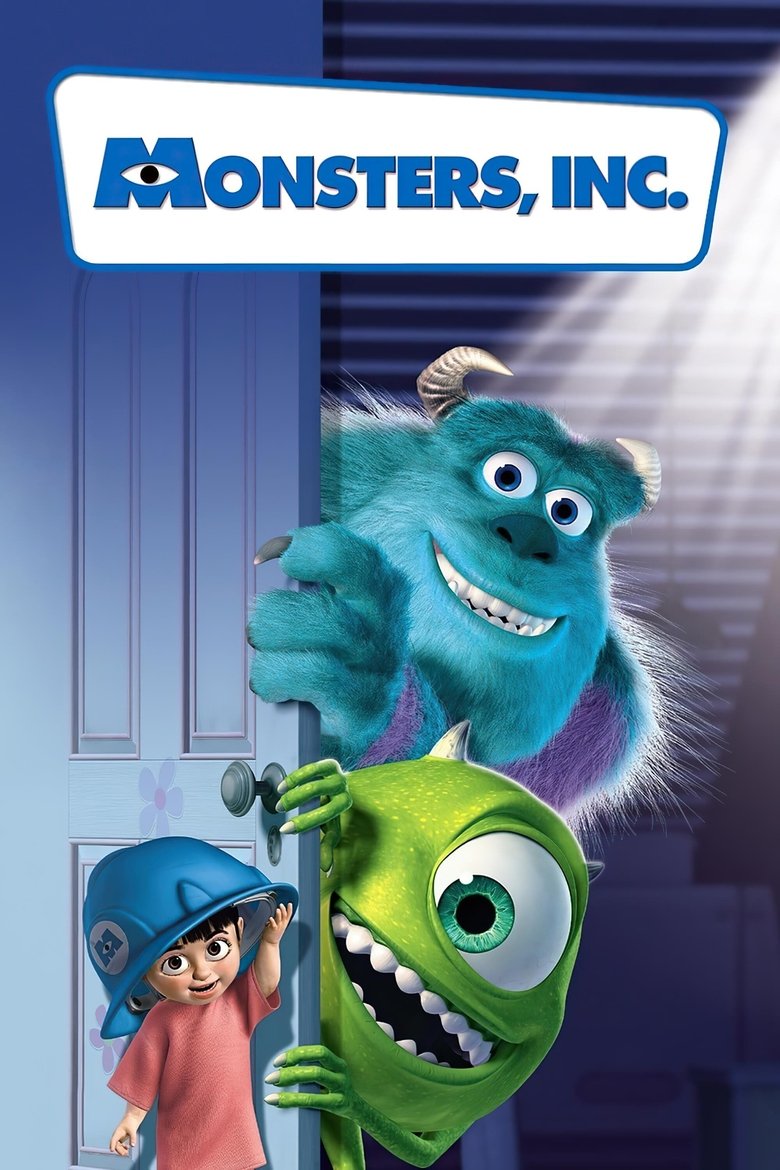
Labor, a child, and a factory that learns laughter. Worth an evening with the house.
A factory runs on the fear of children, and two friends on the floor are good at the job. Then a child is not a hazard. She is a toddler who says a name and holds a hand. The film's argument is that the work can be changed without pretending the work did not matter. Laughter powers the city because someone told the truth about what they were extracting.
This is one of the best popular films of these years, and it is a comedy. Watch it with anyone. Ask, after, what this house runs on that it could run on something kinder.
Industry
9/10
The floor, the quota, the paperwork, the friendship of two shifts. Work is the world.
Household
8/10
A child is not a battery. She becomes a person they are responsible for.
Piety
4/10
No church. The reverence is for the child, which is a start.
Courage
7/10
He risks the job, then the company, then the only world he knows.
Republic
6/10
A company town with a lobby and a cover-up. The public is the workers.
Temperance
8/10
It is funny without humiliation as the fuel.
Truth
8/10
The scream was a lie about what a child is. They tell the truth and the lights stay on.
Stewardship
8/10
What they leave is a workplace that does not have to frighten anyone to live.
Live historicallyName one habit in the house that runs on someone else's distress, and retire it.
The prophecy is a lie. The basement is the truth. One of the better family films.
Emmet is a rule-follower in a company town, and the film is smart enough to like his loyalty to the instructions before it likes his rebellion. The villain is a man who glues the world so nothing can be rearranged. Then the story steps into a basement, and the villain is also a father who will not let his son play. Both facts stand. Order without a child becomes a display case. Play without any order is not the ending either. They build together, with the lid off.
Witty without rotting the family. A father should watch the last ten minutes without a phone.
Industry
7/10
Instructions, construction, a job. Glue is the counterfeit of building.
Household
9/10
The real plot is a father who has forgotten how to share the toys.
Piety
3/10
A fake prophecy, exposed.
Courage
6/10
Emmet steps off the ledge for the others. The braver act is the father opening his hand.
Republic
6/10
A company town of enforced sameness.
Temperance
7/10
Control is the excess, not play.
Truth
8/10
The chosen-one story is a lie the master builders tell. Then a truer story replaces it.
Stewardship
9/10
What is at stake is the boy's right to build on the man's work.
Live historicallyBuild something with a child and let them change the instructions.
The errand is real. The leaving is the wound. Watch it, and do not let the science excuse the absence.
Cooper is a pilot turned farmer in a world that has started to lie to itself about the harvest. The film is on the side of the harvest and the truth about it, which is right, and on the side of a mission that costs a childhood, which it tries to pay back with physics and a father's voice across time. Love is asked to do work in the universe. Maybe it does. The thing a house can use without a lecture is smaller: a girl who needed him in the room, and a culture that told farmers to stop telling the truth.
It is long, loud, and often magnificent. Let a teenager see it. Then ask whether saving everyone is a sentence you say when you do not want to stay for dinner. Sometimes it is literally true. Count those times. They are few.
Industry
9/10
Farming, engineering, a mission with a job description.
Household
6/10
A father and a daughter. The bond is the film and the injury.
Piety
5/10
Awe, and a temptation to make love into a force field.
Courage
8/10
He goes. She endures the going.
Republic
7/10
A public that is lying about its food.
Temperance
5/10
Grandeur is the diet.
Truth
8/10
The school that denies the moon landing is the villainous mood.
Stewardship
7/10
It hands on a hard trade, and you must not romanticize the trade.
Live historicallyIf you must go far, leave the child a true account, not a myth.
Fear is not love. A sister is not a mistake. The song is famous. The reversal is better.
Elsa is told concealment is love, and the kingdom pays for the lie in ice. Anna's act of true love is not a kiss from a prince she met yesterday. It is a sister stepping between a sword and the person she will not give up. Hans is a suitor who wanted the throne. The film is clear about him, which saves a generation of children from one bad lesson and nearly teaches them another: that a stranger's charm is the thing to suspect. Good. Suspect it.
The storm is a picture of a powerful girl who was trained to be ashamed. Let her out. Do not let her burn the town down either. The ending holds both.
Industry
5/10
A queen has a realm to run, and she has not been trained to run it.
Household
9/10
Sisters. A dead household. Love redefined away from the sudden match.
Piety
4/10
A coronation, a bishop, a fear treated as doctrine.
Courage
8/10
Anna crosses the ice. Elsa has to come back and face the people.
Republic
6/10
A kingdom damaged by a private secret.
Temperance
7/10
Hans wants the crown. The sudden engagement is the excess.
Truth
8/10
Concealment was the bad counsel. The film breaks it.
Stewardship
8/10
A queen returns to the people she froze.
Live historicallyDo not lock a gift in a room and call it safety.
A father who loves his children by locking the door. Worth a family evening, then the talk about what the cave was for.
Grug thinks the cave is love. Eep thinks the light is life. Both are trying to keep the family alive, and the film is honest that a father's fear can be a form of care and still be too small. When the ground breaks, the rule that saved them becomes the rule that would bury them.
Watch it with the children who will ask for it this weekend. Then ask what in your own house is a cave: a rule that once kept someone safe and now only keeps them in. The picture is fit for a family. It is not a sermon, and it does not need to be.
Industry
7/10
They hunt, carry, and invent a way through. Work is how they eat.
Household
8/10
The family is the unit. They argue and they do not split up.
Piety
5/10
Wonder at a new world. No church. The cave is treated as the only safety.
Courage
8/10
Leaving the cave, when staying would kill them, is the brave act.
Republic
6/10
A band of one family learns it cannot be the only people left.
Temperance
7/10
Adventure, not appetite. The fear is of the dark, not of missing a thrill.
Truth
7/10
The father's rules are half true. The story lets the daughter be right too.
Stewardship
7/10
A way of living is handed to the children, and then it has to change.
Live historicallyName one rule in the house that was for safety. Say whether it still is.
Keep it. Being outgrown is not the same as being thrown away. The incinerator is the test of whether they stay.
The fear under every one of these films is that love ends when usefulness does. Andy is not cruel. He is seventeen, and the room has to be emptied, and the toys cannot be told that in a way that does not feel like death. Lotso is what happens when that fear becomes a system: he was replaced, so everyone else will be. Woody's answer is to keep faith with the others even when the faith looks stupid.
A whole house can watch it, and many houses should, once. The ending is a father watching a son give his childhood to a smaller child without a speech. If you cry, good. Then actually hand something on, this year, to someone younger, and do not keep the best of it in a box you call keeping.
Industry
7/10
Play is the work. Lotso runs a shop floor. Woody still believes the job is the child.
Household
8/10
Andy's leaving is a real household event. The mother, the sister, the room being packed.
Piety
4/10
No creed. The hand-holding over the fire is the nearest thing to a prayer, and it is loyalty.
Courage
8/10
They go back for each other. Woody comes back when he could have gone on to college in a box.
Republic
5/10
A day care as a polity with a warden. Small, and true.
Temperance
6/10
The peril is intense for a family film. It is in service of not abandoning each other.
Truth
8/10
Lotso's story about being replaced is a lie he tells to stay king. The film exposes it.
Stewardship
9/10
Andy gives them to a child who will play. Handing on is the whole ending, and it is right.
Live historicallyGive one loved object to a younger person this month, and let them use it.
Competence inside a family. The medicine is the gift. The parents are the point. Keep it for teens.
Lahela is a prodigy physician and a teenager with a mother who is also her boss and a father who surfs and stays. The show's good instinct is that being right about a diagnosis does not make you right about a family, a friend, or a limit. Hawaii is a place here, not a postcard only, though the postcard is present.
Teenagers. Watch the episodes where she is overruled by a person who loves her and is not impressed. Brilliance that cannot be a daughter is only a résumé.
Industry
8/10
Medicine as a craft she has to practice inside the rules of a hospital.
Household
8/10
Parents, siblings, a house that does not dissolve because she is gifted.
Piety
3/10
Care for the sick. Little named beyond it.
Courage
6/10
She makes the hard call and sometimes the wrong one.
Republic
5/10
A hospital and a town. She owes both.
Temperance
6/10
The teen plots are ordinary. The show usually does not make them the boss.
Truth
7/10
Being young and right is not the same as being complete. The series admits it.
Stewardship
7/10
A gift used on patients, under adults who can still tell her no.
Live historicallyIf a young person is exceptional at a skill, do not let the skill exempt them from the ordinary duties of the house.
A man at his post, with a gun at his wife's back. The job is the moral.
Carry-On is a simple machine. A man who wanted a better shift is offered a way to save his family by waving through a weapon. The useful pressure is that the family is real and so are the people he does not know.
Adults. Fine as a Christmas thriller if you say the one sentence. His house was the lever. The terminal was the duty.
Industry
7/10
He does a real security job, and the whole plot is whether he will fake it.
Household
6/10
A pregnant partner. The threat is aimed at that house on purpose.
Piety
2/10
No reverence. A terminal and a deadline.
Courage
7/10
He has to act while a stranger is telling him how to betray the line.
Republic
5/10
A public checkpoint. Other people's lives are in the bag.
Temperance
5/10
Tight and mean. It does not wander off into a style.
Truth
5/10
The villain's story is a manipulation. The film mostly knows that.
Stewardship
5/10
What he owes is the strangers in the terminal, not only his own.
Live historicallyAsk which people he would have killed if he had obeyed the earpiece.
Candor is a virtue. The sport of humiliation is not. We won't fake a set list.
We have not line-noted the set, and this desk will not invent jokes it did not hear. The title is the brief: I know you lying. Candor is part of the standard. A man should hate a fraud. The trouble is the pleasure. An hour built on catching people usually leaves the room a little crueler than it found it, and cruelty laughs easily.
If the set turns the knife on the comic's own vanity and then stops, it may be worth the hour. If it is a clinic in contempt, leave it. You will not become braver by rehearsing someone else's embarrassment. Truth spoken to a friend's face still beats truth performed for a crowd.
Industry
4/10
An hour of talk is labor. The labor here is exposure, not a craft you can hand down.
Household
3/10
A special with this title is rarely kind to the people at home.
Piety
3/10
Confession, if it shows up, is a bit. Reverence is not the product.
Courage
5/10
Standing up and saying the unsayable takes nerve. So does a cheap shot.
Republic
3/10
Laughter that makes you meaner about your neighbor fails the town.
Temperance
3/10
The appetite is for the gotcha. That appetite does not get full.
Truth
5/10
The title worships catching a lie. It does not obviously worship telling one less.
Stewardship
2/10
Nothing in the premise is for the people after you.
Live historicallyTell one hard truth this week to a person who can answer you. Not to an audience.
A job, a landscape, and a woman who will not be managed. Keep the case. Skip the binge.
Vera Stanhope is good at the work and bad at the life, and the show is honest enough to let both be true. The murders are in real kinds of places: a quarry, a cul-de-sac, a family that has agreed not to say the thing. She makes them say it. The team is a workplace, not a found family sitting on a couch.
One episode is the right serving. A season in a weekend turns a serious job into wallpaper. Adults. The dead are the reason for the hour, not a puzzle box you are owed.
Industry
8/10
Detection is a grind. She is better at it than she is at being liked.
Household
3/10
Her own house is a ruin she inherited. Other people's houses are the cases.
Piety
3/10
No creed. A stubborn sense that the dead are owed the truth.
Courage
6/10
She walks into rooms that do not want her.
Republic
6/10
A region, a force, a public that has to live with the answer.
Temperance
7/10
The crimes are ugly and then over. She does not fondle them.
Truth
9/10
The whole method is refusing the convenient account.
Stewardship
5/10
What she hands on is a closed case and a team that knows the standard.
Live historicallyFinish one task you have been decorating with busyness.