Tonight
Ten for the evening
One to ten. Newest, most watched, highest on the Living Meter. Prime, Disney+, Hulu, Hallmark, Acorn, and Netflix.
A first winter is a real test of a house. This tile has not shown the house yet.
The picture is a roof and weather. That can be a story about preparation, marriage, grief, or a threat outside the door. Winter stories are worth having when they are about stores, neighbors, and who is warm. They are cheap when they are about the aesthetic of being cut off.
The desk will not invent who is inside. It will say that a first winter is survived by ordinary readiness, not by a mood. If the film is about readiness, good. If it is about the thrill of the cutoff, you have better things to stack by the door.
Industry
5/10
Wintering is work, if they show the work.
Household
4/10
A shelter implies a household.
Piety
3/10
Weather is not yet reverence.
Courage
4/10
Staying can be brave.
Republic
3/10
Isolation cuts both ways.
Temperance
4/10
Unknown.
Truth
3/10
A poster of snow makes no claim.
Stewardship
4/10
The real heirloom is being ready for the people next door.
Live historicallyCheck on one person before the cold settles in your actual town.
A house full of men who stayed. Sentimental, and the staying is the point.
Danny, Jesse, and Joey are a fantasy of enough adults. The fantasy matters because the alternative on the menu is the competent loner. The show is corny, and the corn is in the right place: apologies, bedtimes, a father who comes back into the room. You can outgrow it. You do not have to sneer at it.
Industry
5/10
Jobs, school, chores. Softly done.
Household
8/10
The family is an answer to a death. They do not leave the girls.
Piety
4/10
A hug is the liturgy. It is not nothing.
Courage
5/10
The courage is ordinary: telling the girls the truth about a mistake.
Republic
4/10
A San Francisco house that functions as a whole neighborhood.
Temperance
6/10
Sweet to the point of sugar. The sugar is safer than the alternative row.
Truth
5/10
The lessons are simple and usually meant.
Stewardship
7/10
It is about raising the children who are actually in the house.
Live historicallyPut a child to bed with one true, short account of the day. No speech.
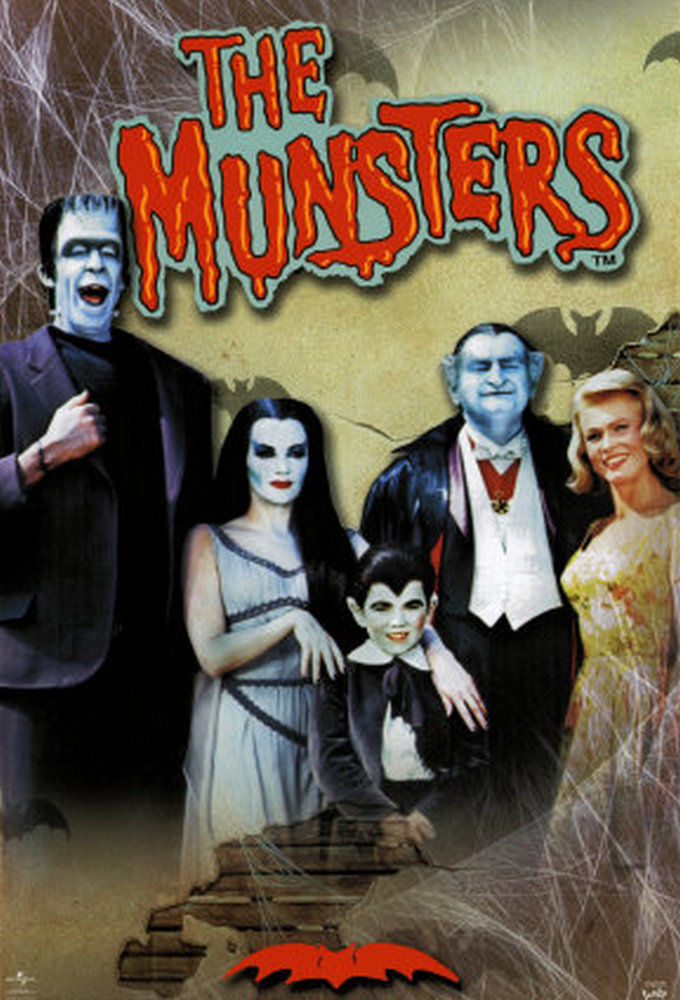
A household that likes itself. The joke is the neighbors' panic, not the family's contempt.
The Munsters are a father who is strong and a little dim, a mother who runs the house, a grandfather who should not be left with the equipment, and a girl who is ordinary in a family that isn't. The comedy needs the family to hold. When it holds, the laugh is at manners, not at marriage.
It is dated in the way a 1964 sitcom is dated. It is not dated in the way that rots a room.
Industry
5/10
Herman goes to work. Grandpa tinkers. The house has chores and a breadwinner.
Household
8/10
They are loud, loyal, and glad to be at the same table.
Piety
3/10
No piety. The affection is the creed.
Courage
4/10
They are odd in public and do not apologize for the oddness.
Republic
5/10
A street where the strange family is still a neighbor.
Temperance
7/10
The laugh is gentle. Nobody is undressed for the camera.
Truth
6/10
The premise is a joke and it stays a joke. It does not smuggle a sermon it doesn't mean.
Stewardship
6/10
A show a grandparent can share without translating the dirt.
Live historicallyWatch one with a child and name who keeps the house running. It is Lily.
Odd, local, and kinder than its deadpan. A small yes.
Napoleon is not cool and the film does not rescue him into coolness. It lets him be strange in a town of strange people, and it lets Kip and Pedro and Deb be people rather than lessons. The dance at the assembly is embarrassing and it is an act of friendship. That is enough plot.
Some of the humor is 'look at these hicks.' More of it, if you stay, is affection. A teenager who feels unfit can use it. It will not teach ambition. It teaches showing up in a bad shirt for someone else's speech.
Industry
4/10
Chapstick, a sign, a tetherball. The work is small and local.
Household
5/10
A grandmother, a brother, a house of leftovers. They are still a family.
Piety
2/10
A llama and a youth group, lightly.
Courage
7/10
He dances in front of the school for Pedro.
Republic
5/10
A class election in a real high school, not a mythic one.
Temperance
6/10
No one is rewarded for cruelty. Status loses.
Truth
7/10
The film does not pretend he becomes someone else.
Stewardship
6/10
A friend is the thing he has at the end.
Live historicallyDance, or show up, for a friend who is about to be humiliated. Once.
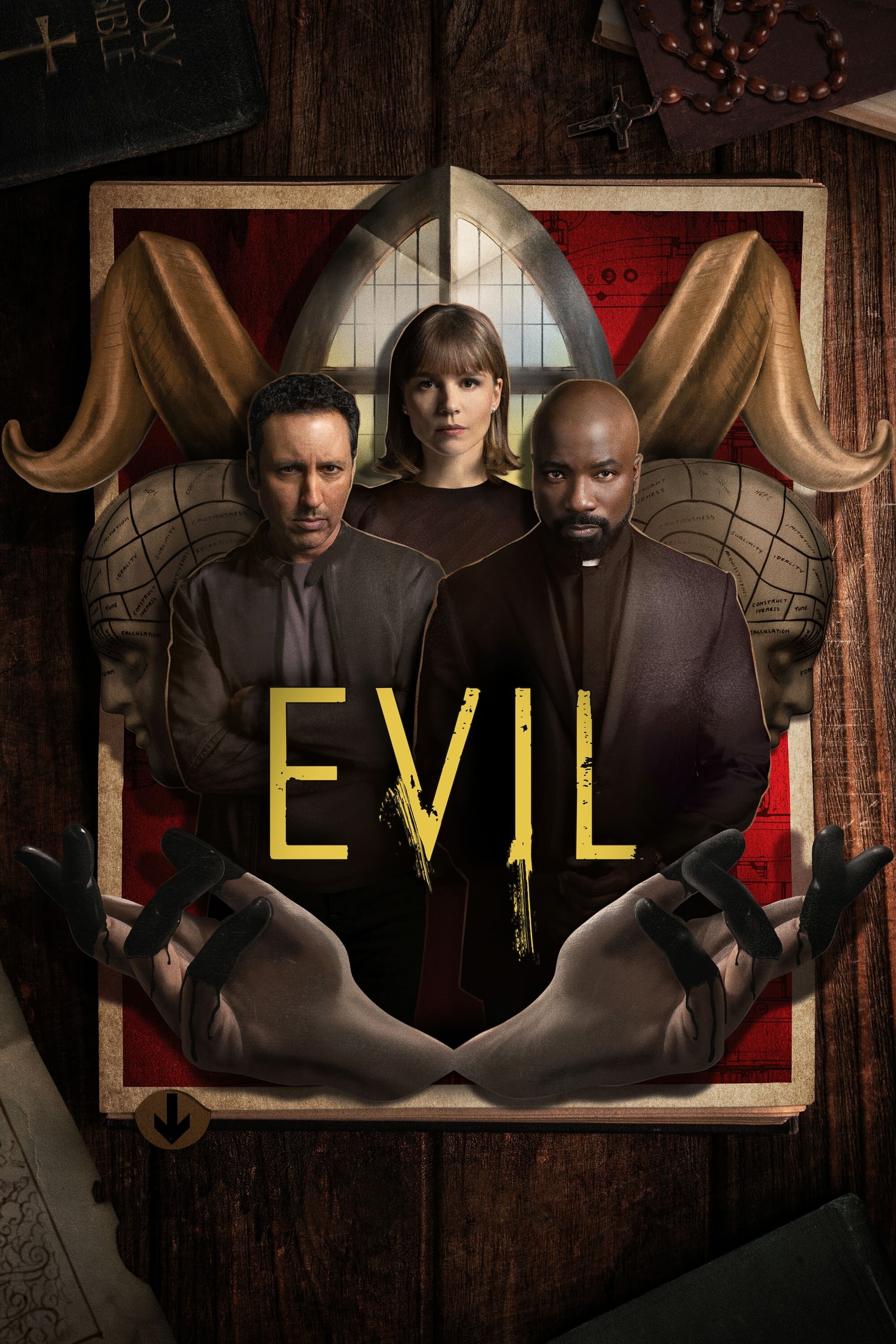
The rare show that allows both a clinical explanation and a real evil. It also cannot resist the gross-out.
The premise is the right one for this desk: some horrors are illness, some are malice, some are both, and a serious person does not decide in advance. The series then punches itself in the face with a sequence whose only purpose is to be unwatchable. Use the premise. You do not have to finish the series to keep it.
Industry
6/10
Assessment is the job: interviews, records, a method.
Household
4/10
A mother of daughters. The home is where the cases leak.
Piety
6/10
A priest who believes, and a Church that is not only a villain.
Courage
6/10
They take the next case.
Republic
4/10
Institutions fail in particular ways, not as a single sneer.
Temperance
2/10
It adds a shock it does not need, often enough to stain the premise.
Truth
7/10
It refuses the rule that everything eerie must be explained away.
Stewardship
4/10
The daughters are the stake, when it remembers them.
Live historicallyWhen something is wrong in a house, consider the ordinary cause first and do not swear that the ordinary cause is the only kind.
Kindness toward damaged people. The curse is a picture of a house ruled by an elder's wound.
Tohru is given a place to live, and she answers with a kindness that is almost too much. Under the zodiac joke is a family terrorized by a parent's unresolved life. That is worth recognizing. The series is long and soft. It is a reasonable one for an older child who needs a picture of staying kind without pretending the house is fine.
Industry
4/10
School and housework. Tohru works.
Household
6/10
The plot is a family breaking a pattern. She is given a room.
Piety
3/10
A curse instead of a sin. The emotional truth is close anyway.
Courage
5/10
She stays kind when the house is frightening. The boys begin to refuse the elder.
Republic
3/10
The family is the whole society.
Temperance
6/10
Tender, and long.
Truth
6/10
It is serious about what an adult's bitterness does to children.
Stewardship
6/10
The hope is that the next generation will not repeat the house.
Live historicallyBe the person who offers the spare room, or the ride, without requiring the story first.
A unit that works. Television competence, with the usual shortcut around politics.
The best of it is a squad that drills and then does the thing they drilled. The weak of it is the episode that poses a civic wound and closes it by the tag. Enjoy the craft of the unit. Do not let a tag scene be your understanding of the city.
Industry
7/10
Training, entry, a chain of command. The job is respected.
Household
4/10
Families at home, strained by the shift.
Piety
2/10
Loyalty to the team is the creed.
Courage
7/10
They go through the door.
Republic
5/10
A city, a department, a neighborhood that does not trust the door.
Temperance
5/10
Procedural. The action is the pleasure.
Truth
5/10
It tries to hold both the danger and the distrust. It resolves them too cleanly.
Stewardship
4/10
A team that forms the next sergeant. More succession than the loner shows.
Live historicallyIf you lead anyone, drill the boring part. The show is right about that and only that.
Joy as a meal for someone else. Cute, and a little frantic. The threat is real.
The Bergens eat trolls to feel something. That is a plain picture of a person who cannot generate a life and so devours someone else's. Poppy learns that cheerfulness is not a strategy when a friend is actually gone. Branch, who has had a loss, is not mocked for being careful.
The songs never stop. The useful part does: happiness is not a substance you owe a sad predator. A young child will mostly hear the songs. An adult should hear the diet.
Industry
3/10
Mostly a party.
Household
5/10
Friendship as a small household. A real loss in Branch's past.
Piety
3/10
Joy treated as a sacrament by people who have none.
Courage
6/10
They go into the enemy's city.
Republic
4/10
A tribe. Not a republic.
Temperance
6/10
Eating someone else's joy is the vice, correctly hated.
Truth
6/10
Pretending everything is fine gets a friend captured.
Stewardship
6/10
They save their own rather than convert the eaters first.
Live historicallyDo not hand a child's happiness to a person who only feels alive when they consume it.
The sequel is thinner. The question — love the child in front of you — is the right one.
Dracula's project is to make the boy a vampire so the family story can continue unchanged. The boy may not be that story. The film, under the noise, sides with the child and with the mother who will not have him frightened into a species. The human side of the family is clumsy and still a family.
You do not need the sequels after this. You need the point: a grandfather's disappointment is not a child's assignment.
Industry
4/10
A hotel, a scheme, a lot of chasing.
Household
7/10
Three generations. The marriage is the peace.
Piety
2/10
None.
Courage
4/10
Letting go is the brave act.
Republic
4/10
Two families learning to share a grandchild.
Temperance
5/10
His appetite is for a legacy, and it is corrected.
Truth
6/10
He has to stop pretending the tests are for the boy's sake.
Stewardship
7/10
The child is a trust, not a prop for the myth.
Live historicallyStop recruiting a child for the family myth. Feed the one who is here.
A frightened girl in a poor house. Believe the distress before you believe the ghost.
Enfield, 1977: a house that knocks, a voice that is not Janet's, and a mother who cannot get anyone official to treat her as a parent instead of a case. The series is short and it keeps the council-house facts in the frame.
Watch it as a question about a child, not as a tour of a haunting. If the voice is more interesting to you than Janet, turn it off.
Industry
4/10
The mother is keeping a rented house on very little. That labor is visible.
Household
7/10
The subject is a family with no man in it and a girl who is not safe.
Piety
3/10
The dead are the explanation on offer. Prayer is not.
Courage
5/10
Janet endures being the exhibit. The mother stays.
Republic
4/10
A street, a school, investigators. The public is a pressure.
Temperance
5/10
Three nights, not a franchise. It does not stretch the fear into a brand.
Truth
6/10
It allows that a poltergeist can be a girl in trouble and a story at the same time.
Stewardship
5/10
What matters is whether the child is left with the men and their theory.
Live historicallyWhen a child in your care starts performing a crisis, ask what the crisis is for. Then stay.